


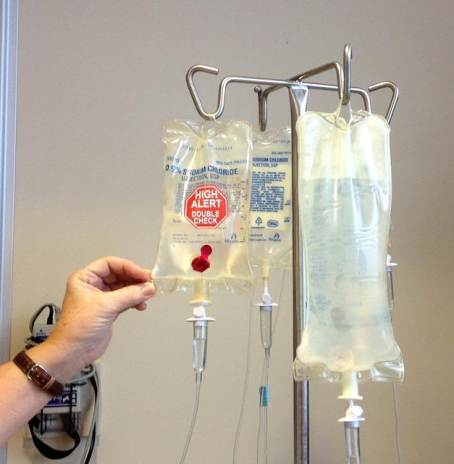
Are you or a loved one considering chemotherapy as a treatment option? Aside from the physical and emotional toll, the cost can also be a major factor to consider. In this article, we’ll break down the potential expenses associated with chemotherapy and how you may be able to mitigate them. Let’s dive into the nitty-gritty of chemo costs and find out how you can manage them in a business-like manner.
Table of Contents
- What factors influence the cost of chemotherapy?
- Understanding the various expenses associated with chemotherapy
- Tips for managing and reducing chemotherapy costs
- Alternative sources of financial assistance for chemotherapy treatment
- Navigating insurance coverage for chemotherapy costs
- Q&A
- Key Takeaways
What factors influence the cost of chemotherapy?
Factors influencing the cost of chemotherapy can vary widely, depending on a number of variables. Understanding these factors can help patients and their families plan for the financial impact of treatment. Here are some key factors that influence the cost of chemotherapy:
**Type of Cancer:** The type of cancer being treated can significantly impact the cost of chemotherapy. Some cancers may require more aggressive treatment and a longer duration of chemotherapy, resulting in higher costs.
**Treatment Plan:** The specific treatment plan prescribed by the oncologist will also impact the overall cost. Factors such as the type and dosage of chemotherapy drugs, the frequency of treatment, and the duration of the treatment plan will all influence the cost.
**Health Insurance Coverage:** Health insurance plays a major role in determining the out-of-pocket costs for chemotherapy. The extent of coverage, including co-pays, deductibles, and out-of-pocket maximums, will all affect the final cost to the patient.
**Hospital or Clinic Fees:** Where the chemotherapy treatments are administered can also impact the cost. Hospital-based treatments may incur higher facility fees compared to treatments offered at an outpatient clinic or doctor’s office.
**Medication Costs:** The cost of chemotherapy drugs themselves can be a major factor. Some drugs are more expensive than others, and the specific combination of drugs used in a treatment plan will influence the overall cost.
**Additional Supportive Care:** In addition to chemotherapy, patients may require supportive care such as medications to manage side effects, nutritional support, and counseling services. These additional services can add to the overall cost of treatment.
| Factor | Influence |
| — | — |
| Type of Cancer | Higher costs for aggressive or rare cancers |
| Treatment Plan | Specific drugs, dosage, and duration impact cost |
| Health Insurance Coverage | Determines out-of-pocket costs for patients |
| Hospital or Clinic Fees | Facility fees vary by location and type of facility |
| Medication Costs | Some drugs are more expensive than others |
| Supportive Care | Additional services can add to overall cost |
Understanding the various expenses associated with chemotherapy
Chemotherapy is one of the most common treatments for cancer, but it can come with a hefty price tag. can help patients and their families prepare for the financial impact of treatment. Here are some of the key costs to consider:
**Medical Expenses**: This includes the cost of the chemotherapy drugs themselves, as well as any medications to manage side effects. It also encompasses the fees for doctor’s visits, lab tests, and hospital stays.
**Supportive Care**: Many patients require additional support during chemotherapy, such as counseling, nutritional counseling, and physical therapy. These services often come with their own costs, adding to the overall expense of treatment.
**Travel and Lodging**: For some patients, chemotherapy treatments may require traveling to a specialized cancer center. This can add up in terms of gas, parking fees, and even hotel accommodations for out-of-town appointments. It’s essential to budget for these additional expenses.
When planning for chemotherapy, it’s crucial to consider not only the direct medical costs but also the associated expenses. By understanding the full scope of the financial impact, patients can make more informed decisions about their treatment and budget accordingly.
Tips for managing and reducing chemotherapy costs
Managing and reducing chemotherapy costs can be a significant concern for many cancer patients and their families. The financial burden of treatment can be overwhelming, but there are several strategies that can help alleviate some of the cost-related stress. Here are some :
1. **Explore insurance coverage**: Review your health insurance policy to understand the coverage for chemotherapy and related expenses. Some insurance plans may have limitations on specific medications or treatment facilities, so it’s essential to be aware of any potential out-of-pocket costs.
2. **Seek financial assistance programs**: Many pharmaceutical companies, non-profit organizations, and government agencies offer financial assistance programs for cancer patients. These programs can help cover the cost of medication, treatment, and other healthcare-related expenses. Research and inquire about available assistance options to ease the financial burden.
3. **Discuss treatment options with your healthcare team**: Work closely with your healthcare team to explore all available treatment options, including clinical trials and generic medication alternatives. By discussing cost-effective options with your healthcare providers, you may be able to lower your chemotherapy expenses without compromising the quality of care.
Alternative sources of financial assistance for chemotherapy treatment
Chemotherapy treatment can be a significant financial burden for many patients and their families. However, there are alternative sources of financial assistance available to help cover the costs of these life-saving treatments. Here are some options to consider:
**1. Nonprofit Organizations:** There are various nonprofit organizations that offer financial assistance to cancer patients. These organizations may provide grants to help cover the cost of chemotherapy, as well as other related expenses such as transportation and lodging.
**2. Government Programs:** Depending on your location and financial situation, you may be eligible for government assistance programs such as Medicaid or the Children’s Health Insurance Program (CHIP). These programs can help cover the cost of chemotherapy and other medical expenses for eligible individuals and families.
**3. Clinical Trials:** Some clinical trials offer free or discounted access to cutting-edge treatments, including chemotherapy. Participating in a clinical trial not only provides access to potentially life-saving treatments but may also reduce or eliminate the cost of care.
In addition to these options, it’s essential to explore all available resources and speak with your healthcare team about any financial concerns you may have. Financial counselors at hospitals and cancer centers can also provide guidance and support in finding .
Navigating insurance coverage for chemotherapy costs
can be overwhelming, but understanding the potential expenses and how insurance can help can provide some peace of mind during this challenging time. The cost of chemotherapy can vary widely depending on factors such as the type and duration of treatment, the specific drugs used, and the location of the treatment facility. However, it’s not uncommon for chemotherapy to cost thousands of dollars per month.
Many insurance plans cover a portion of chemotherapy costs, but the specific coverage will depend on the individual’s policy. It’s essential to carefully review the policy and speak with a representative from the insurance company to understand what is covered and what out-of-pocket expenses can be expected. Additionally, there may be resources available to help with the cost of chemotherapy, such as financial assistance programs, co-pay assistance, and drug assistance programs. **Exploring all potential sources of financial support and assistance can help ease the burden of chemotherapy expenses.**
Below is a comparison table of typical chemotherapy costs based on the type of cancer and duration of treatment.
| Type of Cancer | Duration of Treatment | Cost Per Month |
|---|---|---|
| Breast Cancer | 3-6 months | $3,000 – $6,000 |
| Colon Cancer | 6-9 months | $5,000 – $9,000 |
| Lung Cancer | 4-8 months | $4,000 – $7,000 |
Q&A
Q: How much does chemotherapy cost?
A: The cost of chemotherapy can vary widely depending on the type of cancer, the specific drugs and dosages used, and the duration of treatment.
Q: Are there any average costs for chemotherapy?
A: According to the American Cancer Society, the average cost of chemotherapy can range from $10,000 to $30,000 for a full course of treatment. However, this can vary significantly based on individual circumstances and insurance coverage.
Q: Does insurance cover the cost of chemotherapy?
A: Many insurance plans, including Medicare and Medicaid, cover at least a portion of the cost of chemotherapy. However, patients may still be responsible for copayments, deductibles, and other out-of-pocket expenses.
Q: Are there any financial assistance programs available for chemotherapy costs?
A: Some pharmaceutical companies offer financial assistance programs for patients who are unable to afford the cost of chemotherapy. Additionally, there are nonprofit organizations and government agencies that may provide financial assistance for cancer treatment.
Q: What are some other expenses associated with chemotherapy?
A: In addition to the cost of the chemotherapy drugs themselves, patients may also incur expenses for doctor’s visits, hospital stays, lab tests, imaging scans, and other medical services. Additionally, patients may need to account for transportation, childcare, and other related costs.
Key Takeaways
In conclusion, the cost of chemo treatment can vary greatly depending on a number of factors. It’s important to research different treatment options, talk to your healthcare provider, and explore financial assistance programs to help alleviate the financial burden. Remember, your health is the most important investment you can make. Stay informed and proactive in managing the cost of chemo treatment. Thank you for reading and we wish you the best on your journey to recovery.


