


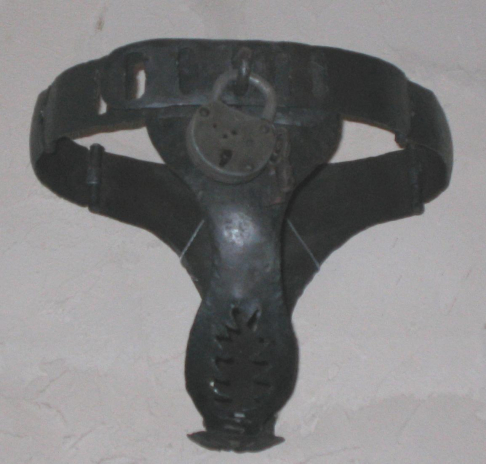
It was a dark and stormy night in a remote medieval castle, where a young maiden found herself locked in her chambers. But it wasn’t just any lock keeping her confined – it was a chastity belt, a medieval contraption designed to protect her virtue. As she anxiously looked for a way to escape, she wondered about the history and significance of this mysterious and foreboding device. Let’s delve into the fascinating world of the chastity belt and uncover its secrets from centuries past.
Table of Contents
- The Mysterious Origins of the Chastity Belt: Unraveling Its Medieval History
- Unlocking the Truth Behind Chastity Belts: Debunking Myths and Misconceptions
- The Intriguing Design of Medieval Chastity Belts: How They Were Constructed to Serve their Purpose
- Protecting Virtue or Oppressing Women? The Controversial Legacy of Chastity Belts in Medieval Society
- Breaking the Lock: Examining the Effectiveness of Chastity Belts and Their Psychological Impact
- Q&A
- In Conclusion
The Mysterious Origins of the Chastity Belt: Unraveling Its Medieval History
Legend has it that the chastity belt was a device used in medieval times to prevent women from committing infidelity while their husbands were away at war or on long trips. The idea of a locked metal contraption designed to cover a woman’s most intimate areas is indeed shrouded in mystery and intrigue. While some historians argue that the chastity belt was nothing more than a myth or a 19th-century invention, others believe that there may be some truth to its existence.
One of the earliest recorded mentions of the chastity belt dates back to the 16th century, when it was said to have been used as a means of controlling female sexuality. However, there is limited concrete evidence to suggest that it was widely used during medieval times. Nevertheless, the concept of the chastity belt has persisted throughout the centuries, capturing the imagination of writers, artists, and historians alike.
Despite the mystery surrounding its origins, the chastity belt continues to be a fascinating topic of discussion, sparking debates about women’s autonomy and the historical treatment of female sexuality. Whether or not it was truly used in medieval times, the allure of the chastity belt as a symbol of female oppression and control persists to this day.
Unlocking the Truth Behind Chastity Belts: Debunking Myths and Misconceptions
Did you know that the infamous chastity belt was actually a modern invention and not a common practice during medieval times? The idea of women being locked in metal contraptions to prevent infidelity has been widely perpetuated in popular culture, but the truth may surprise you.
First and foremost, it’s important to understand that the concept of chastity belts as we know them today is largely a myth. The idea of medieval women being forced to wear iron underwear as a means of controlling their sexuality is not grounded in historical fact. In fact, most historians agree that these devices were likely fabricated in the 18th and 19th centuries, primarily as a form of titillating fiction rather than a reflection of reality.
So, if chastity belts weren’t actually a medieval practice, where did this misconception originate? It’s likely that the notion was perpetuated by sensationalist literature and artwork, as well as a general fascination with the perceived repression of women in the past. While the idea of chastity belts may make for an intriguing story, it’s important to separate fact from fiction when it comes to historical practices and beliefs.
The Intriguing Design of Medieval Chastity Belts: How They Were Constructed to Serve their Purpose
Medieval chastity belts have long been a topic of fascination and controversy. These enigmatic historical artifacts are shrouded in mystery, with their exact origins and purposes remaining a subject of debate among historians and scholars. From their intriguing design to the materials used in their construction, the medieval chastity belt continues to captivate the imagination of people from all walks of life.
The construction of medieval chastity belts was as perplexing as the purpose they were intended to serve. These devices were typically made of iron or other sturdy materials, designed to withstand any attempts to remove or compromise them. The intricate craftsmanship involved in creating these chastity belts is a testament to the dedication and ingenuity of medieval artisans. With secure locks and unyielding metal bands, these belts were designed to serve their purpose with unwavering determination.
It is fascinating to consider the practical aspects of constructing a medieval chastity belt. The exact measurements and individualized designs speak to the meticulous attention to detail that went into their creation. In addition to being functional, the engraved patterns and embellishments added an element of artistry to these enigmatic devices. The artistry displayed in the construction of medieval chastity belts serves as a reminder of the creativity and craftsmanship of the past.
Protecting Virtue or Oppressing Women? The Controversial Legacy of Chastity Belts in Medieval Society
Imagine a time in history when women’s chastity and virtue were considered paramount. The medieval era saw the rise of chastity belts, a device designed to prevent sexual activity and protect a woman’s purity. While these contraptions are often depicted in popular culture as symbols of oppression and control, their true legacy is shrouded in controversy.
Although the exact origins of the chastity belt are unclear, they are said to have been introduced in the 15th century as a means of ensuring a woman’s fidelity while her husband was away at war or on long journeys. The belts, typically made of metal and featuring a lock, were intended to physically restrict a woman’s sexual activity, allowing her male guardian or husband to feel secure in her faithfulness. However, the use of chastity belts is not without debate, with some historians questioning their widespread use and suggesting that they may have been more of a myth than a reality.
Breaking the Lock: Examining the Effectiveness of Chastity Belts and Their Psychological Impact
While most people associate chastity belts with the medieval era, the history of these mysterious contraptions is shrouded in legend and myth. The idea of locking up a woman’s most intimate area to prevent infidelity seems like something straight out of a fairy tale, but the reality is much more complex and intriguing. In this article, we will take a deep dive into the world of chastity belts, examining their effectiveness as a tool for controlling sexuality and the psychological impact they may have had on those who were forced to wear them.
Imagine being a young woman in the medieval era, faced with the prospect of wearing a metal cage around your waist and groin for the rest of your life. The physical discomfort alone is enough to make anyone squirm, but the mental and emotional toll of being under constant surveillance and control is almost unimaginable. As we unravel the history and purpose of chastity belts, we will explore the psychological impact they may have had on individuals, as well as the societal implications of their use.
Q&A
Q: Have you ever heard of the medieval chastity belt?
A: Yes, I have! It’s a fascinating and controversial piece of history.
Q: What exactly is a chastity belt?
A: A chastity belt is a metal device that was supposedly worn by women in the Middle Ages to prevent them from engaging in sexual activity.
Q: Is it true that women were actually forced to wear these contraptions?
A: The historical accuracy of the use of chastity belts is highly debated. There is evidence to suggest that they were used as a means of control and punishment, but there are also skeptics who believe they may have been more of a myth than a reality.
Q: How did these belts work?
A: The belts were typically made of metal and designed to encase a woman’s genitals, making it virtually impossible for her to engage in sexual activity without the key to unlock it.
Q: What is the reaction of modern-day people to the idea of chastity belts?
A: Many people are horrified at the thought of such a cruel and invasive device being used against women. It’s a reminder of the oppressive and patriarchal society of the past.
Q: Do chastity belts still exist today?
A: While there are no documented cases of modern-day use, some individuals and groups claim to manufacture and sell chastity belts as a form of fetish or kink. It’s a disturbing reminder that the concept still holds a certain fascination for some people.
In Conclusion
As we delve into the history of the chastity belt, it’s clear that this instrument of control and protection has stirred up controversy and fascination for centuries. Whether it was truly used to control women’s sexuality or if it was simply a myth, the chastity belt remains a symbol of an era filled with mystery and intrigue. The question of its true purpose may never be fully answered, but one thing is for certain: it continues to capture the imagination and spark debate to this day. Could it be that beneath the layers of history, there are still secrets waiting to be uncovered? The mystery of the medieval chastity belt lives on, and the truth may be more fascinating than we ever could have imagined.


