


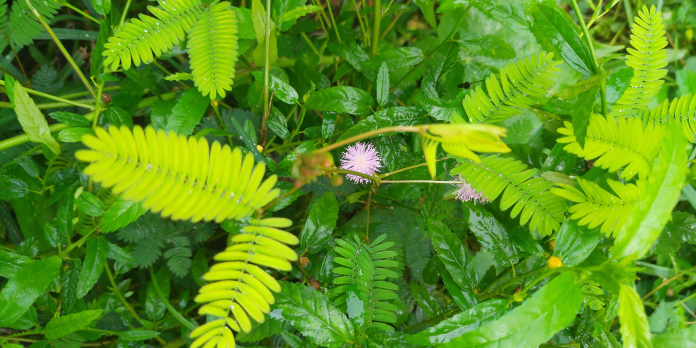
Plants are an integral part of our world, providing sustenance, beauty, and even medicinal properties. However, some plants go beyond the ordinary, dazzling us with their unique features and fascinating abilities. From carnivorous plants to those with miraculous healing properties, the world of interesting plants is a diverse and captivating one. Join us as we explore some of the most intriguing and unusual plants that nature has to offer.
Table of Contents
- The Fascinating World of Carnivorous Plants
- How to Grow and Care for Exotic Succulents
- The Intriguing Adaptations of Desert Plants
- Unusual Flowers: From Corpse Lilies to Laceleaf
- Q&A
- Closing Remarks
The Fascinating World of Carnivorous Plants
is a unique and intriguing subject that continues to capture the attention of botanists and nature enthusiasts alike. These extraordinary plants have evolved to obtain nutrients by trapping and digesting small animals, making them a captivating area of study. Here are some interesting facts about carnivorous plants:
1. Adaptations: Carnivorous plants have developed various adaptations to capture prey, including sticky hairs, pitcher-shaped traps, and intricate snap traps. These adaptations have allowed them to thrive in nutrient-poor environments where other plants struggle to survive.
2. Types: There are over 600 species of carnivorous plants, each with its own distinct method of capturing and digesting prey. Some of the most well-known carnivorous plants include Venus flytraps, pitcher plants, sundews, and bladderworts.
3. Environmental significance: Carnivorous plants play a crucial role in their ecosystems by helping to control insect populations and contributing to nutrient cycling. In addition, they serve as indicators of environmental health, as they are highly sensitive to changes in their habitat.
In conclusion, the world of carnivorous plants is a fascinating and diverse one, offering a glimpse into the incredible ways that plants have adapted to survive in challenging environments. Whether you are a botany enthusiast or simply intrigued by the wonders of nature, exploring the world of carnivorous plants is sure to be an enriching experience.
How to Grow and Care for Exotic Succulents
Exotic succulents are a unique and fascinating addition to any plant collection. These plants are known for their striking appearance and low-maintenance care requirements, making them an ideal choice for both beginner and experienced gardeners. To successfully grow and care for exotic succulents, there are a few key factors to keep in mind.
First and foremost, it’s important to provide the right growing conditions for exotic succulents. These plants thrive in bright, indirect light, so be sure to place them near a sunny window or under a grow light. Additionally, well-draining soil is essential for preventing root rot, so consider using a specialized succulent mix or adding perlite to standard potting soil. When it comes to watering, it’s best to err on the side of underwatering rather than overwatering, as excess moisture can lead to fungal issues. Lastly, regular fertilization during the growing season can help promote healthy growth and vibrant foliage.
In terms of maintenance, pruning and repotting are important aspects of caring for exotic succulents. Remove any dead or damaged leaves as needed, and repot the plants every 2-3 years to refresh the soil and encourage new growth. Keep an eye out for pests such as mealybugs and spider mites, as these can quickly damage the plants if left untreated. By following these guidelines, you can enjoy the beauty of exotic succulents in your home or garden for years to come. With the right care and attention, these plants are sure to thrive and captivate all who admire them.
The Intriguing Adaptations of Desert Plants
Desert regions are home to some of the most fascinating and resilient plant life on the planet. These plants have evolved unique adaptations to survive in the harsh and arid conditions of their environment. From specialized root systems to water-storing tissues, the strategies employed by desert plants are nothing short of intriguing. Let’s take a closer look at some of the most remarkable adaptations that allow these plants to thrive in some of the driest places on Earth.
One of the most common adaptations of desert plants is their ability to conserve water. Many desert plants have developed thick, waxy coatings on their leaves to reduce water loss through transpiration. Others have evolved smaller, succulent leaves or no leaves at all, relying on their stems to carry out photosynthesis. Additionally, some desert plants have deep taproots that can reach deep water sources underground, while others have shallow, wide-spreading root systems to quickly capture any available rainfall. These adaptations allow desert plants to make the most of the limited water available to them.
Another fascinating adaptation of desert plants is their ability to store water for extended periods of time. Many desert plants have specialized tissues or structures that allow them to hoard water during periods of rainfall, which they can then tap into during dry periods. Some plants, such as the iconic saguaro cactus, have a spongy interior that can hold large amounts of water when it’s available. Others, like the desert lily, have bulbous structures that store water underground. These water-storing adaptations give desert plants the ability to survive through even the harshest droughts, making them some of the most resilient and captivating plant life on the planet.
Unusual Flowers: From Corpse Lilies to Laceleaf
When it comes to the world of flora, there are countless fascinating and unusual flowers that are worth exploring. From the otherworldly Corpse Lily to the delicate Laceleaf, these unique blooms are sure to capture the imagination of any nature enthusiast.
Corpse Lily, also known as the Rafflesia arnoldii, is a rare and remarkable flower that can be found in the rainforests of Southeast Asia. Not only is it the world’s largest individual flower, but it is also known for its pungent odor, often likened to that of rotting flesh. The Laceleaf, on the other hand, is a delicate and intricate flower with lace-like petals that give it a stunning appearance. Native to the Andes mountains in South America, this unique plant is an eye-catching addition to any garden.
Whether you’re a seasoned gardener or simply have an appreciation for the beauty of nature, these unusual flowers are sure to pique your interest. Their distinct characteristics and intriguing origins make them a must-see for any botanical enthusiast.
Q&A
Q: What are some interesting plants to grow at home?
A: There are many interesting plants you can grow at home, such as the Venus flytrap, the sensitive plant, and the pitcher plant, which are all fascinating for their unique characteristics and behaviors.
Q: What are some rare and unusual plants that can be found in the wild?
A: Some rare and unusual plants found in the wild include the Corpse flower, the Ghost plant, and the Welwitschia mirabilis, which are known for their distinctive appearances and survival strategies in harsh environments.
Q: What are some plants with medicinal properties?
A: Plants with medicinal properties include aloe vera, lavender, and chamomile, which are commonly used for their healing and calming effects on the body and mind.
Q: How can plants be used for environmental conservation?
A: Plants can be used for environmental conservation through reforestation efforts, wetland restoration, and creating green spaces in urban areas, which all help to restore ecosystems and reduce the impact of climate change.
Q: What are some fascinating facts about carnivorous plants?
A: Carnivorous plants, such as the pitcher plant and the sundew, have evolved to trap and consume insects as a way to supplement their nutrient intake in nutrient-poor environments, and have adapted unique mechanisms to attract, capture, and digest their prey.
Q: What is the significance of plants in various cultures and traditions?
A: Plants have significant cultural and traditional importance, as they are used in rituals, ceremonies, and as symbols in various cultures around the world, representing life, growth, and spirituality.
Closing Remarks
From carnivorous pitcher plants to sensitive mimosa pudica, the world of plants is truly fascinating and diverse. Whether you have a green thumb or simply appreciate the beauty of nature, there is always something new and intriguing to learn about the plant kingdom. With so many unique and interesting plants out there, it’s clear that there is always more to discover and appreciate. So next time you take a walk in the park or visit a botanical garden, keep an eye out for these amazing specimens and take a moment to marvel at the wonders of the plant world.


