


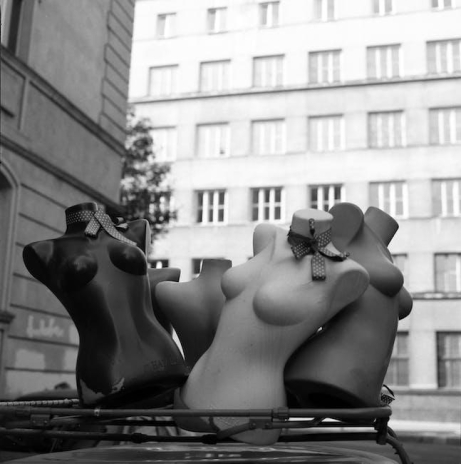
Mexico is a country known for its vibrant culture, rich history, and diverse traditions. Among the many fascinating aspects of Mexican society is the use of mannequins in various industries and settings. From fashion and retail to art and theater, mannequins play a significant role in the visual representation of products and ideas. In this article, we will explore the pervasive presence of mannequins in Mexico and delve into their cultural and commercial significance in this dynamic nation.
Table of Contents
- Mannequin in Mexico: A History of Fashion Display
- The Influence of Mannequins on Retail in Mexico
- Challenges and Innovations in Mannequin Design and Display in Mexico
- Best Practices for Utilizing Mannequins in Mexican Retail Stores
- Q&A
- To Conclude
Mannequin in Mexico: A History of Fashion Display
Mannequins have played a significant role in the history of fashion display in Mexico. These life-sized models have been a crucial element in showcasing the evolution of Mexican fashion trends and styles over the years. Here are some key points that shed light on the history of mannequins in Mexico and their impact on the fashion industry:
- Historical Significance: Mannequins have been used in Mexico since the early 20th century, serving as tools for retailers and designers to exhibit their latest creations to customers. These figures have not only reflected the changing aesthetics of Mexican fashion but also symbolized the country’s socio-cultural development.
- Influence on Consumer Behavior: Mannequins have the power to influence consumer behavior by visually conveying the latest fashion trends and styles. Their role in window displays and store presentations has been instrumental in capturing the attention of potential buyers and shaping their purchasing decisions.
- Technological Advancements: With advancements in technology, mannequins have evolved from traditional static models to interactive and customizable displays. This shift has further revolutionized the fashion retail landscape in Mexico, allowing for more immersive and engaging experiences for consumers.
The Influence of Mannequins on Retail in Mexico
Mannequins are a crucial aspect of the retail industry in Mexico, influencing consumer behavior and driving sales. These human-like figures play a significant role in showcasing the latest fashion trends, promoting new collections, and creating an immersive shopping experience for customers.
Here are some key points to consider about :
- Visual Merchandising: Mannequins are essential for displaying merchandise in an engaging and visually appealing manner. They help retailers create eye-catching window displays and effectively present their products to potential customers.
- Cultural Representation: Mannequins in Mexico are often used to represent the diverse cultural and ethnic background of the population. They are instrumental in promoting inclusivity and showcasing fashion that resonates with the local community.
- Consumer Engagement: Well-dressed and styled mannequins capture the attention of shoppers and influence their purchasing decisions. They provide inspiration and serve as a visual guide for customers, helping them envision themselves wearing the showcased outfits.
Challenges and Innovations in Mannequin Design and Display in Mexico
In Mexico, the use of mannequins in retail and fashion industries has evolved significantly over the years, presenting both challenges and innovative solutions in their design and display. One of the primary challenges is the need for mannequins that accurately represent the diverse body types and cultural identities of the Mexican population. This calls for innovation in the design and production of mannequins to ensure inclusivity and representation in the retail space.
Furthermore, the display of mannequins in retail stores plays a crucial role in attracting customers and showcasing the latest fashion trends. As such, there is a growing demand for innovative display solutions that not only highlight the clothing but also create an immersive and visually appealing experience for shoppers. This has led to the development of cutting-edge display technologies and creative merchandising techniques that elevate the presentation of mannequins in Mexican retail settings.
Best Practices for Utilizing Mannequins in Mexican Retail Stores
When it comes to creating an impactful visual merchandising strategy in Mexican retail stores, utilizing mannequins can be a powerful tool. Mannequins not only provide a three-dimensional representation of your clothing and accessories but also help in creating an immersive shopping experience for your customers. Here are some :
- Placement: Position your mannequins in high-traffic areas of your store to catch the attention of customers.
- Change outfits regularly: Keep your displays fresh and exciting by regularly changing the outfits on your mannequins to showcase new arrivals and seasonal trends.
- Reflect your target audience: Use mannequins that represent the demographics of your target customers to make your displays more relatable and aspirational.
- Accessorize: Use accessories such as hats, jewelry, and handbags to complement the outfits on your mannequins and inspire additional sales.
Additionally, consider the cultural and regional preferences of your target audience when styling your mannequins. For example, in Mexican retail stores, incorporating traditional Mexican clothing or indigenous designs on your mannequins can resonate with local customers and enhance the overall shopping experience.
Q&A
Q: What is the significance of the mannequin phenomenon in Mexico?
A: The mannequin phenomenon in Mexico refers to the practice of dressing up mannequins to resemble real people as a way to honor deceased loved ones and maintain a connection with them.
Q: Where did the tradition originate?
A: The tradition is believed to have originated in the small town of Onaven, Mexico, and has since spread to other regions of the country.
Q: How are the mannequins dressed and displayed?
A: The mannequins are dressed in the clothing of the deceased and displayed in front of their homes or businesses, often engaging in activities that the person enjoyed in life.
Q: What is the purpose of this tradition?
A: The tradition serves as a way for families to remember and celebrate their loved ones, as well as to keep their memory alive within the community.
Q: How has the tradition been received by the public?
A: The tradition has received mixed reactions from the public, with some seeing it as a beautiful way to honor the dead, while others view it as creepy or unsettling.
Q: Are there any criticisms of the mannequin phenomenon?
A: Some critics argue that the tradition blurs the lines between life and death and could potentially have negative psychological effects on those participating in it.
Q: Is there any significance to the positioning of the mannequins?
A: Yes, the positioning of the mannequins often represents the individual’s personality or interests, such as sitting on a rocking chair or working in a garden.
Q: How has the mannequin phenomenon impacted tourism in Mexico?
A: The mannequin phenomenon has attracted attention from tourists who are curious to see this unique tradition, leading to an increase in tourism to the towns where it is practiced.
To Conclude
In conclusion, the use of mannequins in Mexico has evolved from simple store displays to powerful tools for cultural representation and social commentary. From showcasing the latest fashion trends to challenging beauty standards, mannequins have become an integral part of Mexico’s retail and visual arts industries. As the country continues to embrace diversity and inclusivity, mannequins will undoubtedly play an important role in reflecting the changing attitudes and values of Mexican society. Whether they are striking a pose in a storefront window or making a statement in an art exhibition, mannequins will continue to captivate and provoke thought in the vibrant and ever-changing landscape of Mexico.


