


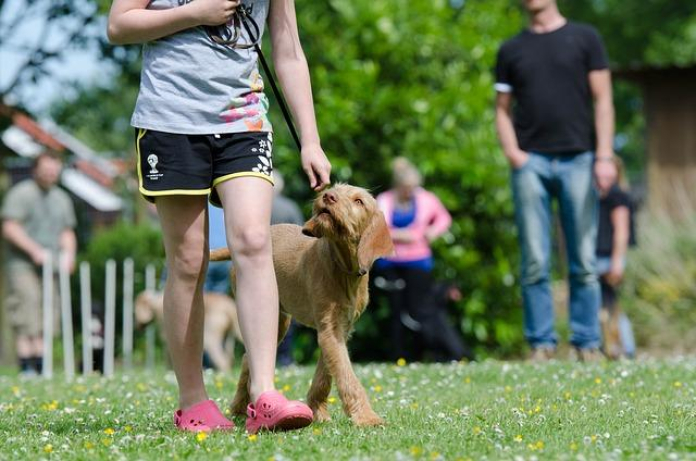
Training your dog to sit and stay is an essential foundation for obedience and control. Whether you have a new puppy or an older dog, teaching them these commands can establish good behavior and build a strong bond between you and your pet. In this article, we will provide step-by-step instructions and techniques on how to effectively train your dog to sit and stay. From understanding the basic principles of training to implementing positive reinforcement, we will guide you through the process of teaching your furry friend these fundamental commands. With dedication and patience, you can successfully train your dog to sit and stay, creating a well-behaved and well-mannered companion.
Table of Contents
- Introducing the “sit” and “stay” commands
- Understanding the basic principles of dog training
- Implementing positive reinforcement techniques
- Addressing common challenges and troubleshooting techniques
- Q&A
- Closing Remarks
Introducing the “sit” and “stay” commands
Training your dog to “sit” and “stay” are fundamental commands that every pet owner should teach their furry friend. These commands not only help to maintain a well-behaved and obedient pet, but also ensure their safety in various situations. Whether you have a new puppy or an older dog, it’s never too late to start training them on these essential commands.
To teach your dog to “sit”, start by holding a treat close to their nose and then slowly move your hand up, allowing their head to follow the treat and causing their bottom to lower. Once they are in a sitting position, praise them and give them the treat. Repeat this process several times, gradually adding the verbal command “sit” as you move the treat. With consistency and practice, your dog will soon understand the command and be able to sit on cue.
When it comes to teaching your dog to “stay”, begin by commanding them to sit. Once they are in a seated position, hold your hand out in a stop motion and say the word “stay” in a firm but calm voice. As you take a step back, continue to use the hand signal and repeat the word “stay”. Gradually increase the distance between you and your dog while reinforcing the command. Remember to always reward your dog for successfully staying in place and gradually increase the duration of the “stay” command over time. With patience and positive reinforcement, your dog will learn to stay on command and become a well-behaved companion.
| Teach “sit” first | Always use positive reinforcement |
| Be patient and consistent | Gradually increase distance and duration |
Understanding the basic principles of dog training
When it comes to training your dog, it’s essential to understand the basic principles of dog training. One of the fundamental commands every dog should learn is how to sit and stay. Teaching your dog to sit and stay not only enhances their obedience but also ensures their safety in various situations. Here’s a detailed guide on how to effectively train your dog to sit and stay.
Positive Reinforcement: Positive reinforcement is a key principle in dog training. When teaching your dog to sit and stay, use treats, praise, and petting to reward them for following the commands.
Consistency: Consistency is crucial in dog training. Use the same commands and techniques every time you train your dog. This will help them understand what is expected of them and reinforce the desired behavior.
Implementing positive reinforcement techniques
To train your dog to sit and stay, it’s essential to implement positive reinforcement techniques. Positive reinforcement is a training method that focuses on rewarding desired behaviors rather than punishing unwanted ones. By using this approach, you can effectively teach your dog to sit and stay while strengthening your bond with them.
Here are some positive reinforcement techniques to help you train your dog to sit and stay:
– Use treats: Use small, tasty treats to reward your dog when they successfully sit and stay. This positive association will encourage them to repeat the behavior.
– Verbal praise: In addition to treats, use verbal praise such as “good boy” or “good girl” to reinforce the desired behavior.
– Consistency: Be consistent in your training approach and reward your dog every time they sit and stay as directed.
– Patience: Training takes time and patience. Be patient with your dog and recognize that they may not learn immediately.
By implementing these positive reinforcement techniques, you can effectively train your dog to sit and stay while creating a positive and enjoyable training experience for both you and your furry friend. Remember, consistency, patience, and positive reinforcement are key to success in dog training.
Addressing common challenges and troubleshooting techniques
Common Challenges:
When training a dog to sit and stay, there are several common challenges that owners may encounter. Understanding these challenges and troubleshooting techniques can help make the training process smoother and more effective. Some of the common challenges include:
- Distractions: Dogs can easily get distracted, especially in new environments or around other animals or people.
- Impatience: Some dogs may struggle to stay in the sitting position for an extended period, leading to frustration and impatience.
- Consistency: Inconsistency in training methods and cues can confuse the dog and make it harder for them to learn.
Troubleshooting Techniques:
To address these challenges, there are several troubleshooting techniques that can be employed during the training process. These techniques can help owners effectively train their dogs to sit and stay. Some of the techniques include:
- Use high-value treats or rewards to keep the dog focused and motivated during training sessions.
- Practice in different environments to help the dog generalize the behavior and stay focused in various situations.
- Break the training into short, frequent sessions to prevent boredom and frustration.
By understanding these common challenges and implementing effective troubleshooting techniques, owners can successfully train their dogs to sit and stay, leading to a well-behaved and obedient pet.
Q&A
Q: Why is it important to train a dog to sit and stay?
A: Training a dog to sit and stay is important for obedience and safety. It helps to control the dog during walks, around guests, and in potentially dangerous situations.
Q: What are the basic steps to train a dog to sit and stay?
A: The first step is to teach the dog the “sit” command using positive reinforcement such as treats and praise. Once the dog has mastered the sit command, the next step is to introduce the “stay” command and gradually increase the duration of the stay.
Q: How long does it typically take to train a dog to sit and stay?
A: The length of time it takes to train a dog to sit and stay can vary depending on the breed and individual temperament of the dog. However, with consistent training and patience, most dogs can learn to sit and stay within a few weeks.
Q: What are some common mistakes to avoid when training a dog to sit and stay?
A: Some common mistakes to avoid include using punishment or force, being inconsistent with commands, and expecting too much too soon. It’s important to be patient and use positive reinforcement to encourage the desired behavior.
Q: What are some tips for maintaining a dog’s ability to sit and stay over time?
A: Regular practice and reinforcement of the sit and stay commands is crucial for maintaining a dog’s ability to perform these behaviors. It’s also important to continue using positive reinforcement and to gradually increase the difficulty of the commands as the dog becomes more proficient.
Q: Are there any special considerations for training certain breeds to sit and stay?
A: Some breeds may require more patience and consistency when it comes to training sit and stay commands. Additionally, breeds with a high prey drive or strong instincts may require extra training to maintain focus and obedience. It’s important to understand the specific needs and tendencies of the breed when training sit and stay.
Closing Remarks
In conclusion, training your dog to sit and stay is an essential skill that can help build a strong foundation for further training and obedience. By following the step-by-step guide provided in this article and being patient and consistent in your training efforts, you can successfully teach your canine companion to sit and stay on command. Remember to always use positive reinforcement and never resort to punishment, as this will only hinder the training process and damage the bond between you and your dog. With dedication and perseverance, you can enjoy the benefits of a well-behaved and obedient dog that can sit and stay with confidence and reliability. Happy training!


