


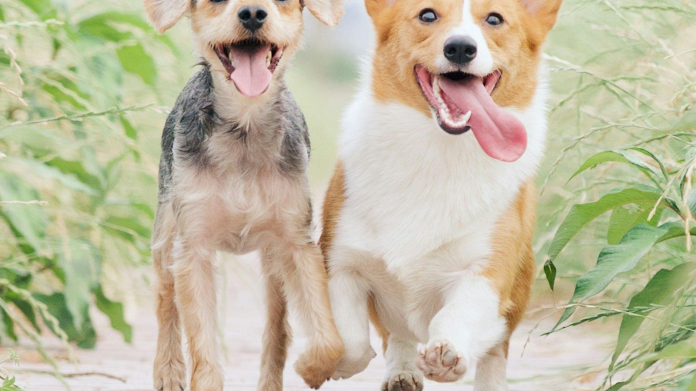
Dogs are known for their expressive faces, and one of the most endearing of these expressions is the dog smile. But what does a dog smile really mean? Is it a sign of happiness, or could it indicate something else entirely? Understanding the meaning behind a dog’s smile can provide valuable insight into their emotions and overall well-being. In this article, we will delve into the intricate world of canine communication to uncover the various interpretations of a dog’s smile, shedding light on the complex language of our faithful four-legged companions.
Table of Contents
- Understanding Canine Body Language
- Interpreting Different Types of Dog Smiles
- Distinguishing Between a Happy Smie and an Aggressive Smile
- How to React to a Dog’s Smile
- Tips for Encouraging Positive Canine Behavior
- Q&A
- Concluding Remarks
Understanding Canine Body Language
Dog smiles are often seen as a welcoming and friendly gesture, but it’s essential to understand the context and other body language cues to interpret them correctly. When a dog smiles, it can indicate a variety of emotions and intentions:
- Relaxation: A relaxed dog may offer a soft, open-mouthed “smile,” indicating contentment and ease.
- Submission: Dogs may smile to show deference or submissiveness to a more dominant dog or person.
- Playfulness: A dog may “smile” during play to show joy and excitement.
It’s important to note that a dog’s smile can also be misinterpreted. A baring of teeth, for example, may actually be a sign of aggression or fear, rather than a genuine smile. The accompanying body language and overall demeanor of the dog should be taken into account when interpreting this expression.
Interpreting Different Types of Dog Smiles
When it comes to dogs, there are many ways they communicate their emotions, and their smiles are no exception. Different types of dog smiles can convey different meanings, from happiness and contentment to stress or anxiety. Understanding these different types of smiles can help you better interpret your furry friend’s emotions and respond accordingly.
One common type of dog smile is the “happy smile,” which is typically characterized by a relaxed expression, open mouth, and sometimes exposed teeth. This type of smile is often accompanied by a wagging tail and bright, alert eyes, indicating a sense of joy and contentment. On the other hand, a “submissive smile” may appear as a closed mouth with the lips pulled back, often indicating a dog’s attempt to show submission and avoid conflict. Meanwhile, a “stress smile” may involve lips pulled back tightly and a tense expression, suggesting that the dog is feeling anxious or uncomfortable.
It’s important to remember that these are just a few examples of the many types of dog smiles, and each dog may exhibit their own unique variations. Paying attention to your dog’s body language and overall behavior can provide valuable insights into the meaning behind their smiles, helping you better understand and connect with your canine companion.
Distinguishing Between a Happy Smie and an Aggressive Smile
Dogs are known for expressing their emotions through body language, and their smiles are no exception. While a happy smile and an aggressive smile may seem similar at first glance, there are key differences that can help you understand your furry friend’s mood.
A Happy Smile: When a dog is feeling happy and relaxed, their smile is typically accompanied by a wagging tail, bright eyes, and a relaxed body posture. Their mouth is slightly open, with their tongue lolling out, and they may even make soft, contented sounds. This type of smile is a sign of trust and comfort, indicating that your canine companion is feeling safe and content in their environment.
An Aggressive Smile: On the other hand, an aggressive smile in dogs is characterized by a stiff, tense body posture, raised hackles, and narrowed eyes. The lips are pulled back to reveal their teeth, but unlike a happy smile, the rest of their face and body is tense and alert. This type of smile is a warning sign that your dog is feeling threatened or territorial, and it’s important to give them space and address the underlying cause of their stress.
How to React to a Dog’s Smile
When a dog smiles, it can mean a variety of things. Understanding the different meanings behind a dog’s smile can help you react appropriately to their behavior. Here are a few reasons why a dog may smile and how you can react:
1. Happiness: Dogs often smile when they are happy and content. You can react to a happy dog smile by smiling back, offering them a treat or some positive reinforcement, and engaging in play or cuddle time.
2. Submissive behavior: In some cases, a dog may smile as a sign of submission. If a dog is smiling in a submissive manner, it’s important to respond with calm and gentle behavior. Avoid making sudden movements or loud noises, and give the dog space if they seem nervous.
3. Stress or fear: A dog’s smile can also be a sign of stress or fear. If you notice a dog smiling in a situation where they may be uncomfortable, such as meeting new people or being in a new environment, it’s important to react with empathy and understanding. Give the dog space and time to adjust, and try to create a calming and reassuring atmosphere.
Understanding the different meanings behind a dog’s smile can help you react appropriately to their behavior and ensure that both you and the dog feel comfortable and safe in any situation. By paying attention to the context and body language accompanying the smile, you can better understand what the dog is trying to communicate and react accordingly.
Tips for Encouraging Positive Canine Behavior
When your dog smiles, it can mean a variety of things, and understanding their body language is crucial in interpreting their behavior. Dog smiles are a way for them to communicate with us, and it’s important to recognize the different types of smiles and what they signify. Here are some tips for interpreting and encouraging positive canine behavior:
Understanding Dog Smiles:
There are different types of dog smiles, and each one has its own meaning. It’s important to pay attention to their body language and facial expressions to understand what they’re trying to communicate. Some common types of dog smiles include:
- Playful Smiles: When dogs are happy and excited, they may display a playful grin with an open mouth and relaxed facial muscles.
- Submissive Smiles: Dogs may show a submissive smile with their teeth partially exposed and their ears lowered when they’re feeling anxious or submissive.
- Stress Smiles: Dogs may also exhibit a stressed smile, with a tight-lipped expression and a tense body posture, indicating discomfort or stress.
Encouraging Positive Canine Behavior:
To encourage positive behavior in your dog, it’s essential to create a safe and nurturing environment for them. Positive reinforcement, consistency, and proper socialization are key in fostering positive canine behavior. Additionally, providing mental and physical stimulation through regular exercise, interactive toys, and training sessions can help keep your dog happy and well-behaved.
Q&A
Q: What does it mean when a dog smiles?
A: When a dog appears to be smiling, it usually means that they are feeling happy, relaxed, and content. It can be a sign of their overall well-being and positive emotional state.
Q: How can you tell if a dog is truly smiling?
A: A dog’s smile can be identified by a relaxed, open mouth with their tongue slightly hanging out, and their eyes may appear soft and relaxed. Wagging their tail and a relaxed body posture can also indicate a happy and content demeanor.
Q: Are there different types of dog smiles?
A: Yes, dogs can exhibit different types of smiles depending on their mood and intentions. A playful, happy smile may involve panting, a wide mouth, and a relaxed expression. However, a submissive or nervous smile may involve a closed mouth with the corners of the lips pulled back, indicating discomfort or anxiety.
Q: Do all dogs smile?
A: While not all dogs smile in the same way, most dogs have the ability to express joy and contentment through body language and facial expressions. It’s important to pay attention to individual differences and understand your dog’s unique ways of communicating.
Q: Can a dog’s smile indicate aggression?
A: In some cases, a dog may bare their teeth and appear to be smiling in a way that actually signals aggression or discomfort. It’s important to consider other body language cues and the context of the situation to accurately assess a dog’s emotional state.
Q: What should I do if I see a dog smiling in an aggressive manner?
A: If a dog’s smile appears aggressive or uncomfortable, it’s best to avoid approaching or interacting with the dog. Look for signs of distress or fear in their body language, and give them space to calm down. Consulting a professional dog trainer or behaviorist may also be beneficial in addressing the underlying issues.
Q: Can I train my dog to smile?
A: While you can encourage positive and happy behavior in your dog through training and positive reinforcement, it’s important to remember that each dog has their own unique way of expressing emotions. Encouraging a relaxed and happy demeanor through training and socialization can contribute to a dog’s overall well-being.
Concluding Remarks
In conclusion, understanding the meaning behind a dog’s smile can provide valuable insight into their emotional state and overall well-being. It is important to remember that each dog is unique and may express their emotions differently. By paying attention to their body language, facial expressions, and overall behavior, we can better interpret their smiles and respond accordingly. Furthermore, consulting with a professional veterinarian or animal behaviorist can provide additional guidance for interpreting and responding to canine smiles. Ultimately, the bond between humans and dogs is strengthened through mutual understanding and consideration, and interpreting a dog’s smile is just one aspect of this ongoing connection. By continuing to learn and observe our canine companions, we can cultivate a deeper understanding and appreciation for their complex and beautiful language of communication.


