


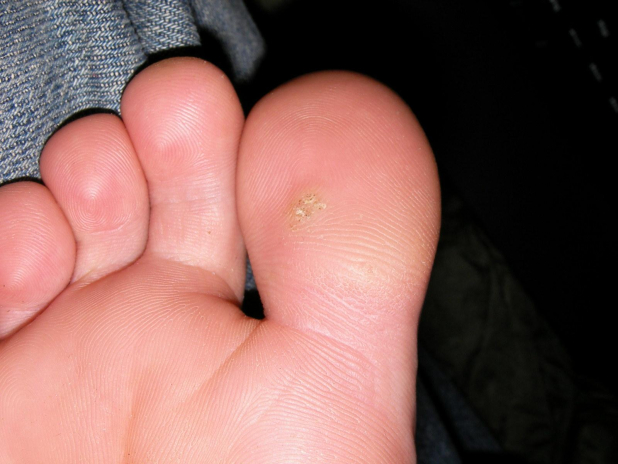
One of the most common dermatological issues experienced by dogs is the development of warts on their foot. These small, benign growths can cause discomfort and pain for our canine companions, and it is important for pet owners to familiarize themselves with the symptoms, causes, and treatment options for this condition. In this article, we will provide a comprehensive overview of wart growth on a dog’s foot, including the potential causes, potential complications, and best practices for managing and treating them. We hope to provide pet owners with the knowledge and resources they need to ensure the health and well-being of their furry friends.
Table of Contents
- Overview of Warts on Dogs’ Feet
- Causes and Symptoms of Warts on Dogs’ Feet
- Diagnosis and Treatment of Warts on Dogs’ Feet
- Prevention and Management Techniques for Warts on Dogs’ Feet
- Q&A
- Wrapping Up
Overview of Warts on Dogs’ Feet
Warts on dogs’ feet are a common issue that many pet owners may encounter. These small, rough growths can appear on the paw pads or in between the toes, causing discomfort and irritation for the dog. Warts, also known as cutaneous papillomas, are caused by the canine papillomavirus and are typically harmless. However, they can become bothersome if they become infected or if the dog constantly licks or chews at them.
These warts can vary in appearance and size, ranging from small, raised bumps to larger, cauliflower-like growths. It’s essential for pet owners to be able to recognize the signs of warts on their dog’s feet to provide appropriate care and treatment. Common symptoms of warts on dogs’ feet include limping, licking or chewing at the affected paw, and visible growths on the paw pads or in between the toes. If you suspect that your dog may have warts on their feet, it’s crucial to consult with a veterinarian to determine the best course of action for treatment.
Causes and Symptoms of Warts on Dogs’ Feet
Warts on a dog’s feet are a common occurrence and can be caused by a variety of factors. One of the primary causes of warts on a dog’s feet is the papillomavirus, which can be easily spread from one dog to another through direct contact. Additionally, warts can also develop as a result of friction or trauma to the foot, leading to the formation of small, fleshy growths.
When it comes to the symptoms of warts on a dog’s feet, there are a few key signs to look out for. These can include:
- Small, raised growths on the foot
- Discomfort or limping
- Changes in the appearance or texture of the foot pad
If you notice any of these symptoms on your dog’s feet, it’s important to consult with a veterinarian for a proper diagnosis and treatment plan.
Diagnosis and Treatment of Warts on Dogs’ Feet
Warts are a common skin problem in dogs, and they can often appear on their feet. It’s important for dog owners to be familiar with the diagnosis and treatment of warts on their pet’s feet in order to provide proper care and relief for their furry friend.
Diagnosis: Warts on dog’s feet can be diagnosed through a physical examination by a veterinarian. They may also perform a biopsy to confirm that the growth is a wart and not another type of skin lesion. Additionally, if there are multiple warts or they are growing rapidly, it’s important to rule out potential underlying health issues that may be contributing to the growth of warts.
Treatment: Once a wart on a dog’s foot has been diagnosed, there are several treatment options available:
- Topical medications: Certain topical treatments can help to shrink and eliminate warts on a dog’s feet.
- Cryotherapy: This involves freezing the wart with liquid nitrogen to destroy the abnormal tissue.
- Surgical removal: In some cases, the vet may opt to surgically remove the wart if it is causing discomfort to the dog or if it’s not responding to other treatments.
Prevention and Management Techniques for Warts on Dogs’ Feet
Warts on a dog’s feet can be a common issue that many pet owners deal with. These small, raised growths can cause discomfort and pain for your furry friend, so it’s important to take steps to prevent and manage them effectively.
Prevention techniques for warts on dogs’ feet include:
- Keeping your dog’s feet clean and dry to reduce the risk of infection
- Regularly trimming your dog’s nails to prevent warts from forming due to pressure or trauma
- Avoiding walking your dog in areas where they may be exposed to the papilloma virus, which can cause warts
If your dog does develop warts on their feet, there are several management techniques you can try:
- Consulting with a veterinarian to determine the best course of action for removal
- Using over-the-counter treatments designed specifically for dog warts
- Keeping the affected area clean and dry to prevent further irritation
Q&A
Q: What causes warts on a dog’s foot?
A: Warts, also known as papillomas, are caused by the canine papillomavirus. This virus is highly contagious among dogs and can be transmitted through direct contact with an infected dog or contaminated objects such as toys or food bowls.
Q: What are the symptoms of warts on a dog’s foot?
A: Dogs with warts on their feet may show symptoms such as limping, licking or chewing at the affected area, and the presence of small, fleshy growths on the paw pad or between the toes.
Q: How are warts on a dog’s foot diagnosed?
A: Warts on a dog’s foot can usually be diagnosed through a physical examination by a veterinarian. In some cases, a biopsy or cell sample may be taken for further analysis.
Q: How are warts on a dog’s foot treated?
A: In many cases, warts on a dog’s foot will go away on their own as the dog’s immune system fights off the virus. However, if the warts are causing discomfort or interfering with the dog’s ability to walk, treatment options may include surgical removal, cryotherapy, or topical medications.
Q: Can warts on a dog’s foot be prevented?
A: While it may not be possible to completely prevent warts on a dog’s foot, maintaining good hygiene practices such as regular cleaning of toys and food bowls, and avoiding contact with infected dogs, can help reduce the risk of transmission.
Q: Are warts on a dog’s foot contagious to humans?
A: No, warts on a dog’s foot are not contagious to humans. However, it is important to practice good hygiene and avoid direct contact with the warts to prevent potential transmission to other dogs.
Wrapping Up
In conclusion, if you notice a wart on your dog’s foot, it’s important to have it examined by a veterinarian to determine the best course of action. While some warts may disappear on their own, others may require treatment to alleviate discomfort and prevent further complications. Additionally, keeping your dog’s feet clean and dry, providing a balanced diet, and maintaining a healthy immune system can help prevent the development of warts. By staying proactive and observant, you can ensure the health and well-being of your canine companion. If you have any concerns or questions about your dog’s foot warts, don’t hesitate to seek professional advice from a qualified veterinarian.


