


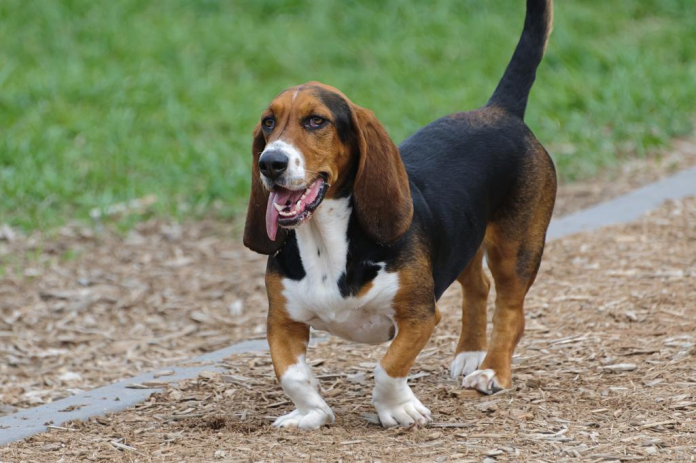
The history of the Basset Hound is a fascinating tale that spans centuries and continents. This distinctive breed, with its long ears, droopy eyes, and low-to-the-ground body, has a rich and varied background that encompasses hunting, royalty, and global intrigue. In this article, we will delve into the origins and evolution of the Basset Hound, exploring the breed’s connection to French and British nobility, its functions as a hunting companion, and its journey to becoming a beloved pet and show dog around the world. Understanding the history of the Basset Hound sheds light on the unique characteristics and endearing traits that have made it a beloved and iconic breed today.
Table of Contents
- Origins of the Basset Hound
- Historical Significance of the Basset Hound
- Evolution of the Basset Hound Breed
- Notable Contributions to the Basset Hound’s Development
- Preserving the Legacy of the Basset Hound
- Q&A
- The Conclusion
Origins of the Basset Hound
The Basset Hound is a breed with a long and fascinating history. Originating in France, the Basset Hound is believed to have descended from the St. Hubert Hound, a breed developed by monks in the Middle Ages. The breed was originally used for hunting small game, such as rabbits and hares, due to their keen sense of smell and short stature, which allowed them to navigate through dense underbrush with ease. Basset Hounds were especially popular among French aristocrats and were considered a symbol of wealth and status.
In the 19th century, Basset Hounds were brought to England, where they were further developed and refined. With their distinctive appearance and exceptional hunting abilities, they quickly gained popularity throughout Europe and eventually made their way to the United States. Today, the Basset Hound is cherished as a beloved companion and is known for its gentle and affectionate nature. Despite their aristocratic origins, Basset Hounds are now cherished as family pets around the world, thanks to their endearing personalities and distinctive appearance. If you are considering adding a Basset Hound to your family, it’s important to understand their history and unique characteristics that make them such a beloved breed.
| Life Expectancy | 10-12 years |
| Temperament | Friendly, Loyal, Affectionate |
| Height | 11-15 inches (at the shoulder) |
| Weight | 40-65 pounds |
Historical Significance of the Basset Hound
The Basset Hound has a rich historical significance that dates back to the 16th century in France. These dogs were originally bred for hunting small game, particularly rabbits, with their keen sense of smell and low, sturdy build making them well-suited for the job. The word “basset” actually means “low” in French, which perfectly describes the breed’s distinctive short legs and long body. The Basset Hound’s history is also closely tied to their association with French aristocracy, who favored the breed for its hunting prowess and loyal nature.
In the 1800s, Basset Hounds gained popularity in England, as they were introduced to the country by Lord Galway. Their unique appearance and hunting abilities quickly captured the attention of English hunters and breeders, leading to the establishment of the breed standard. The Basset Hound’s influence continued to grow beyond Europe, with the breed making its way to the United States in the late 19th century. Today, the Basset Hound is cherished for its friendly disposition and excellent scenting capabilities, serving as both a beloved family pet and a skilled tracking dog in various competitions and activities. With such a storied past, it’s no wonder that the Basset Hound holds a special place in the hearts of dog lovers around the world.
**Key Points of :**
– Originated in France in the 16th century
– Bred for hunting small game, particularly rabbits
– Associated with French aristocracy
– Introduced to England in the 1800s by Lord Galway
– Gained popularity as a beloved family pet and skilled tracking dog in the United States
Evolution of the Basset Hound Breed
The is a fascinating journey that spans centuries. This beloved breed has a rich history, dating back to the 6th century in France, where they were originally bred for hunting small game such as rabbit and hare. Over the years, the Basset Hound has undergone significant changes in both appearance and purpose, but their distinctive characteristics and endearing nature have remained constant throughout the ages.
Basset Hounds are believed to have descended from the St. Hubert Hound, a breed that was popular among French aristocracy for its exceptional scenting abilities. **Key points** in the include:
– The breed’s development in the 1500s, when they were selectively bred for their shorter legs and keen sense of smell
– Their popularity among European nobility as prized hunting companions during the 17th and 18th centuries
– The Basset Hound’s introduction to England in the 19th century, where they became a favorite among English sportsmen
Today, Basset Hounds are cherished for their affectionate nature and distinctive appearance, making them a popular choice for families and dog enthusiasts around the world. With their enduring history and undeniable charm, the Basset Hound continues to hold a special place in the hearts of dog lovers everywhere.
Notable Contributions to the Basset Hound’s Development
The development of the Basset Hound breed can be credited to several notable contributions throughout history. These key factors have played a crucial role in shaping the unique characteristics and traits that define the Basset Hound we know today.
One significant contribution to the Basset Hound’s development is the selective breeding efforts of 6th century monks in the St. Hubert’s Abbey in Belgium. These monks are believed to have crossed the Bloodhound with smaller hounds, resulting in a breed with the distinctive short legs and keen sense of smell that are characteristic of the Basset Hound. Over time, these early efforts laid the foundation for the breed’s distinct physical and olfactory traits.
Another essential element in the Basset Hound’s evolution was the breed’s popularity and recognition in England during the 19th century. Following their introduction to England, the Basset Hound gained a following among aristocrats and nobility, leading to further refinement and standardization of the breed. These influences contributed to the development of the Basset Hound as we know it today, with its gentle and affectionate nature, coupled with its exceptional tracking abilities.
Preserving the Legacy of the Basset Hound
When discussing the history of the Basset Hound, it is important to acknowledge the breed’s rich and storied past. The Basset Hound is a breed with a history that dates back centuries, with roots in France and Belgium. Originally bred as a hunting dog, the Basset Hound’s distinct appearance and keen sense of smell made it an excellent companion for hunters tracking game through dense underbrush and challenging terrain.
Throughout history, the Basset Hound has been treasured for its unique attributes and loyal temperament. To this day, the breed continues to be loved by dog enthusiasts and owners alike, with a legacy that extends far beyond its hunting origins. As a beloved family pet and show dog, the Basset Hound’s enduring charm and distinctive appearance have solidified its place in the hearts of many around the world.
Q&A
Q: What is the history of the bassett hound breed?
A: The bassett hound breed dates back to 16th century France, where they were initially bred for hunting small game such as rabbits. The breed was refined in the 1800s by the Marquis de Tournon, who developed the longer, low-slung body and short legs that are characteristic of the bassett hound today.
Q: How did bassett hounds become popular outside of France?
A: Bassett hounds gained popularity outside of France in the early 20th century when they were imported to England and the United States. The breed’s unique appearance and gentle temperament quickly endeared them to dog enthusiasts in these countries.
Q: What role did bassett hounds play in history?
A: Bassett hounds have historically been used as hunting dogs due to their exceptional sense of smell and stamina. They were especially prized for their ability to track and flush out game from dense underbrush.
Q: How has the role of bassett hounds evolved over time?
A: While bassett hounds were originally bred for hunting, they have also become popular as family pets due to their affectionate and laid-back nature. They are also frequently used in conformation shows and as therapy dogs.
Q: What are some notable characteristics of bassett hounds?
A: Bassett hounds are known for their distinctive appearance, including their long ears, wrinkled face, and droopy eyes. They are also known for their friendly and loyal nature, as well as their stubbornness and independent streak.
The Conclusion
In conclusion, the history of the Basset Hound is a rich and fascinating one, spanning centuries and continents. From their origins in France to their popularity as hunting companions and beloved family pets, the Basset Hound has made a significant impact on the world of dog ownership. Their unique physical characteristics, unwavering loyalty, and gentle disposition have made them a cherished breed for generations. By understanding the history of the Basset Hound, one can gain a deeper appreciation for the traits and qualities that make them such a beloved and distinctive breed. As we continue to celebrate and cherish the Basset Hound, it is important to also honor their storied history and the impact they have had on the world of canines.


