


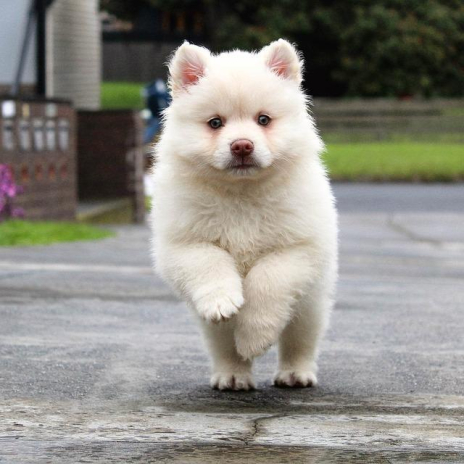
Small active dogs are a beloved and popular choice among pet owners looking for a compact but energetic companion. From the high-energy Jack Russell Terrier to the graceful and athletic Shetland Sheepdog, these pint-sized pups are often big on personality and activity. In this article, we will explore the unique characteristics and needs of small active dogs, as well as provide tips for keeping them happy and healthy. Whether you already have a small active dog or are considering bringing one into your home, this comprehensive guide will help you better understand and care for these dynamic little canines.
Table of Contents
- Energetic Breeds: Understanding the Small Active Dog
- Training Techniques: Keeping Small Active Dogs Engaged
- Physical Exercise: Meeting the Needs of Small Active Breeds
- Mental Stimulation: Enriching the Lives of Small Active Dogs
- Diet and Nutrition: Supporting the High Energy Levels of Small Active Dogs
- Q&A
- The Conclusion
Energetic Breeds: Understanding the Small Active Dog
Small active dogs are a popular choice for individuals and families who lead an active lifestyle and are looking for a furry companion to keep up with their energy levels. These breeds are known for their playful and lively nature, making them a great addition to any household.
When considering a small active dog breed, it’s important to understand their specific needs and characteristics. Here are some key factors to consider when choosing the right small active dog for your home:
- Exercise Requirements: Small active dogs have high energy levels and require regular exercise to keep them happy and healthy. Daily walks, playtime, and interactive activities are essential for these breeds.
- Environmental Suitability: Consider your living situation and the environment in which the dog will be spending most of its time. Some small active breeds may not be well-suited for apartment living or may require a fenced yard for ample space to run and play.
- Training Needs: Small active dogs are often intelligent and eager to learn, but they may also have a stubborn streak. Consistent training and mental stimulation are important for keeping these breeds well-behaved and engaged.
| Breed | Exercise Requirements |
|---|---|
| Jack Russell Terrier | High – requires daily exercise and mental stimulation |
| Miniature Pinscher | Moderate to high – enjoys active play and regular walks |
| Shiba Inu | Moderate – needs regular exercise but can adapt to different environments |
Overall, small active dog breeds can make wonderful companions for individuals and families who lead an active lifestyle and are able to meet their unique needs for exercise, training, and mental stimulation. By understanding the specific characteristics of these breeds and providing them with the care and attention they require, you can enjoy a loving and energetic relationship with your small active furry friend.
Training Techniques: Keeping Small Active Dogs Engaged
When it comes to training small active dogs, it’s essential to keep them engaged and mentally stimulated. With their boundless energy and quick minds, small active dogs like Jack Russell Terriers, Miniature Pinschers, and Border Terriers require specialized training techniques to ensure they stay focused and well-behaved. Here are some effective strategies for keeping small active dogs engaged during training:
1. Use positive reinforcement: Small active dogs respond well to positive reinforcement techniques such as treats, toys, and praise. Rewarding good behavior will encourage them to repeat it, making the training process more effective and enjoyable for both the dog and the owner.
2. Incorporate interactive games: Interactive games like fetch, hide and seek, and agility exercises are great ways to keep small active dogs engaged and mentally stimulated. These activities also provide an outlet for their energy, helping to prevent boredom and destructive behaviors.
3. Keep training sessions short and varied: Small active dogs have short attention spans, so it’s important to keep training sessions brief and varied to prevent them from becoming disinterested. Mixing up the training routine with different exercises and challenges will help keep them engaged and eager to learn.
In addition to these techniques, it’s important to remember that every dog is unique, and what works for one may not work for another. By understanding your dog’s individual needs and tailoring your training approach accordingly, you can ensure that your small active dog remains engaged, well-behaved, and happy.
Physical Exercise: Meeting the Needs of Small Active Breeds
Meeting the Needs of Small Active Breeds
Small active dog breeds have unique needs when it comes to physical exercise. Whether you have a Jack Russell Terrier, a Chihuahua, or a Shih Tzu, it’s important to ensure that these energetic pups get the right amount and type of exercise to keep them healthy and happy. Here are some tips for meeting the physical exercise needs of small active breeds:
- Frequent walks: Small active breeds need regular walks to burn off their energy. Aim for at least two 20-30 minute walks per day to keep them physically and mentally stimulated.
- Interactive play: Engage your small active dog in interactive play sessions such as fetch, tug-of-war, or agility exercises. These activities help them release pent-up energy and strengthen their bond with you.
- Indoor activities: On days when the weather is not suitable for outdoor activities, consider indoor exercises such as hide-and-seek, puzzle toys, or indoor agility courses to keep your small active breed entertained.
By understanding the specific needs of small active breeds and providing them with appropriate physical exercise, you can help them maintain a healthy weight, prevent behavioral issues, and ensure they lead a fulfilling life.
Mental Stimulation: Enriching the Lives of Small Active Dogs
Small active dogs are a bundle of energy and require mental stimulation to keep them engaged and enriched. Mental stimulation is essential for the overall well-being and happiness of small active dogs. It helps prevent boredom and destructive behaviors, and also promotes cognitive development.
To enrich the lives of small active dogs, consider the following mental stimulation activities:
– Interactive toys: Invest in toys that require problem-solving skills, such as treat puzzles and interactive feeders. These toys keep small active dogs engaged and mentally stimulated.
– Obedience training: Small active dogs thrive on learning new commands and tricks. Obedience training not only provides mental stimulation but also strengthens the bond between the dog and its owner.
– Scent games: Engage small active dogs in scent games, such as hiding treats or toys for them to find. This taps into their natural hunting instincts and provides mental enrichment.
In addition to mental stimulation activities, it’s important to provide small active dogs with a stimulating environment. Create a safe and enriching space for them to explore, with plenty of toys, interactive play areas, and opportunities for socialization with other dogs. Regular walks and outdoor activities also help keep small active dogs mentally stimulated and satisfied. By incorporating these activities and providing a stimulating environment, small active dogs can lead happy and fulfilling lives.
Diet and Nutrition: Supporting the High Energy Levels of Small Active Dogs
Small active dogs like Jack Russell Terriers, Miniature Schnauzers, and Shih Tzus require a diet that supports their high energy levels. These breeds are known for their playful and energetic nature, so it’s essential to provide them with the right balance of nutrients to keep them healthy and active.
When it comes to diet and nutrition for small active dogs, there are a few key factors to consider. First and foremost, it’s important to choose a high-quality dog food that is specifically formulated for small breeds. Look for options that contain a good balance of protein, carbohydrates, and fats to provide the energy that these dogs need to stay active.
- Include lean proteins such as chicken, turkey, or fish to support muscle development and overall energy levels.
- Opt for complex carbohydrates like brown rice, sweet potatoes, and whole grains to provide a steady source of energy throughout the day.
- Don’t forget about healthy fats from sources like salmon oil or flaxseed to support skin and coat health as well as brain function.
Q&A
Q: What are some common small active dog breeds?
A: Common small active dog breeds include Jack Russell Terriers, Boston Terriers, Dachshunds, and Shetland Sheepdogs.
Q: What are some characteristics of small active dogs?
A: Small active dogs are typically high-energy, playful, and require regular exercise and mental stimulation to stay healthy and happy.
Q: How much exercise do small active dogs need?
A: Small active dogs generally need at least 30-60 minutes of exercise each day, which can include walks, playtime, and interactive toys.
Q: What are some activities that small active dogs enjoy?
A: Small active dogs often enjoy activities such as agility training, fetch, hiking, and interactive toys that challenge their problem-solving abilities.
Q: What are some considerations for owners of small active dogs?
A: Owners of small active dogs should be prepared to provide regular exercise, mental stimulation, and training to help channel their dog’s energy in a positive way.
Q: Are small active dogs suitable for apartment living?
A: While small active dogs can live in apartments, they require regular exercise and mental stimulation, so prospective owners should be prepared to commit to meeting their dog’s needs.
Q: How can owners ensure their small active dog stays healthy and happy?
A: Owners can keep their small active dog healthy and happy by providing regular exercise, mental stimulation, a balanced diet, and regular veterinary check-ups. Additionally, providing plenty of opportunities for socialization with other dogs and people can help keep small active dogs well-adjusted.
The Conclusion
In conclusion, small active dogs are delightful companions that bring energy and joy into their owners’ lives. Their playfulness, intelligence, and loyalty make them ideal pets for individuals and families alike. However, it is important to remember that owning a small active dog requires commitment, as they need plenty of exercise, mental stimulation, and socialization to thrive. With the right care and attention, these pint-sized pups can bring immense happiness and fulfillment to their owners. Whether you’re considering adding a small active dog to your family or already have one in your life, the love and companionship they provide is truly irreplaceable. Here’s to many happy and active years with your small furry friend!


