


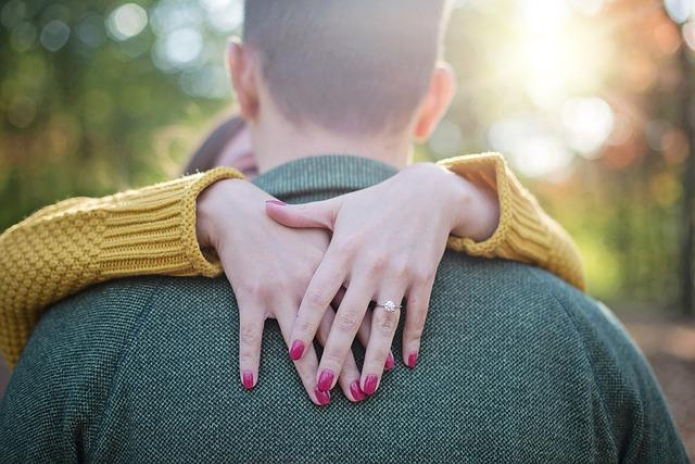
When it comes to wearing engagement, wedding, and eternity rings, many people find themselves confused about the correct order and etiquette. Knowing the proper way to wear these meaningful pieces of jewelry can not only help to avoid any social faux pas, but also ensure that the rings are placed in a way that showcases their significance. Understanding the symbolism behind each ring and the tradition of wearing them in a specific order can greatly enhance the enjoyment and sentiment of these special pieces. In this article, we will delve into the history and tradition of engagement, wedding, and eternity rings, and provide guidance on the correct order in which to wear them. Whether you are newly engaged, married, or simply curious about ring etiquette, this article will provide you with valuable insight to help you showcase your jewelry in the best possible manner.
Table of Contents
- The Significance of Each Ring in Traditional Wedding Jewelry
- How to Stack and Wear Your Engagement, Wedding, and Eternity Rings
- Choosing the Best Order to Wear Your Wedding Rings
- Etiquette and Symbolism: Wearing Engagement, Wedding, and Eternity Rings
- Ensuring Harmony and Balance: The Art of Layering Your Wedding Jewelry
- Q&A
- Insights and Conclusions
The Significance of Each Ring in Traditional Wedding Jewelry
In traditional wedding jewelry, each ring holds its own significance and represents a unique aspect of the couple’s love and commitment. Understanding the meaning and significance of each ring can help couples make informed decisions about the order in which they wear their engagement, wedding, and eternity rings.
Here’s a breakdown of :
- The engagement ring symbolizes the promise and intention to marry, representing a couple’s decision to spend their lives together. It is typically worn on the fourth finger of the left hand, as it is believed to have a direct connection to the heart through the vena amoris, the “vein of love.”
- The wedding ring signifies the official union and commitment between partners. It is exchanged during the wedding ceremony as a symbol of eternal love and fidelity. Traditionally, it is worn on the same finger as the engagement ring, with the wedding band placed closer to the heart.
- The eternity ring is often given as a gift to celebrate a significant milestone in a marriage or to mark the birth of a child. It typically features a continuous band of diamonds or gemstones, symbolizing an unending and everlasting love. The eternity ring is usually worn on the same finger as the engagement and wedding rings, completing the trio of traditional wedding jewelry.
| Ring | Significance |
|---|---|
| Engagement Ring | Promise and intention to marry |
| Wedding Ring | Official union and commitment |
| Eternity Ring | Celebration of a milestone or everlasting love |
How to Stack and Wear Your Engagement, Wedding, and Eternity Rings
When it comes to wearing engagement, wedding, and eternity rings, it’s important to get the order just right to showcase these meaningful symbols of love and commitment. While there are no hard and fast rules, there are traditional and popular customs that can guide you in stacking and wearing these beautiful rings.
Typically, the engagement ring is worn closer to the heart, followed by the wedding band, and then the eternity ring. However, there are variations that can work for individual preferences and styles. Here are some popular options for stacking and wearing your engagement, wedding, and eternity rings:
- Classic Stack: The engagement ring first, followed by the wedding band, and then the eternity ring. This timeless and traditional style showcases each ring individually while also creating a cohesive and elegant stack.
- Alternating Stack: Mix things up by alternating the wedding band and eternity ring on either side of the engagement ring for a unique and balanced look.
- Nesting Stack: Some rings are designed to nestle together, creating a seamless and unified appearance. This style allows the rings to fit together like puzzle pieces, symbolizing the unity of marriage.
Choosing the Best Order to Wear Your Wedding Rings
When it comes to wearing your wedding rings, it’s important to consider the traditional order for maximum aesthetic appeal. The order in which you wear your engagement, wedding, and eternity rings can hold significant symbolism, and getting it right will ensure that your beautiful rings are presented in the best way possible.
First, the engagement ring is typically worn on the fourth finger of the left hand, followed by the wedding band. The eternity ring is then traditionally worn closest to the heart, usually stacked on top of the engagement and wedding rings. This order allows for each ring to be showcased and gives a balanced and elegant look. However, there may be variations to this tradition based on individual preferences and cultural customs, so the most important factor in choosing the best order is what feels right for you and your partner. Ultimately, the symbolism and sentiment behind the rings are what truly matter, so the order in which you wear them should reflect your personal connection.
Etiquette and Symbolism: Wearing Engagement, Wedding, and Eternity Rings
When it comes to wearing engagement, wedding, and eternity rings, there is a traditional order that is widely followed. Each ring holds its own symbolism and significance, and understanding the proper way to wear them can add to the overall meaning and beauty of these special pieces of jewelry.
Traditionally, the order of wearing these rings is as follows:
- Engagement Ring: This is typically worn first, as it represents the promise and commitment of marriage.
- Wedding Ring: Once married, the wedding ring is worn on the same finger as the engagement ring, often placed on the finger first, closer to the heart.
- Eternity Ring: This ring is typically worn last, symbolizing the eternal commitment and love between partners. It is often given on special anniversaries as a symbol of enduring love.
Following this traditional order is a way to honor the symbolism behind each ring and the journey of love and commitment it represents. However, personal preferences and cultural traditions may vary, so it’s important to choose a wearing order that holds personal meaning for you and your partner.
Ensuring Harmony and Balance: The Art of Layering Your Wedding Jewelry
When it comes to wearing your wedding jewelry, layering your pieces can add a beautiful touch to your overall bridal look. It’s important to ensure harmony and balance when layering your wedding jewelry, so each piece complements the others without overshadowing them. To achieve this, consider the following tips:
- Start with the Engagement Ring: The engagement ring is traditionally worn first, as it is the first ring given in the wedding process.
- Follow with the Wedding Band: The wedding band is then placed on the finger, usually on the same finger as the engagement ring, serving as a symbol of the union and commitment of marriage.
- Complete with the Eternity Ring: The eternity ring, often given as a gift on a wedding anniversary, can be worn on the same finger as the engagement and wedding rings to symbolize eternal love.
By following this order, you can ensure that each of your wedding rings has its place within the layers of your jewelry, creating a harmonious and balanced look that celebrates your love and commitment.
Q&A
Q: In what order should you wear engagement, wedding, and eternity rings?
A: The traditional order for wearing these rings is engagement ring first, followed by the wedding ring, and finally the eternity ring.
Q: Why should the engagement ring be worn first?
A: The engagement ring is typically worn first because it represents the beginning of the commitment between two people. It is given as a symbol of a promise to marry and is usually worn on the ring finger of the left hand.
Q: When is the wedding ring added to the mix?
A: The wedding ring is added after the engagement ring when the couple exchanges vows during their wedding ceremony. It is placed on the finger directly next to the engagement ring and signifies the official union of the couple in marriage.
Q: What is the significance of the eternity ring and why is it worn last?
A: The eternity ring is often given to mark a significant anniversary or milestone in a couple’s relationship. It is typically worn on the ring finger of the right hand and is a symbol of everlasting love and commitment. It is worn last, after the engagement and wedding rings, as a beautiful reminder of the enduring nature of the relationship.
Q: Is it important to stick to this traditional order?
A: While there are no strict rules when it comes to wearing these rings, sticking to the traditional order can hold special significance and meaning for many couples. It symbolizes the progression of a relationship from engagement to marriage and then to a lasting commitment. It also visually creates a beautiful and meaningful stack on the finger.
Q: Can these rings be worn on other fingers?
A: Ultimately, the choice of which finger to wear these rings on is a personal preference. Some people choose to wear their engagement and wedding rings on the right hand after getting married, especially if they want to wear an eternity ring on their left hand. Others may choose to mix up the order based on their own individual style and preferences.
Q: What about cultural or religious considerations?
A: In some cultures or religions, there may be specific traditions or customs regarding the wearing of engagement, wedding, and eternity rings. It’s important to consider and respect these traditions if they are meaningful to you and your partner. Ultimately, the most important thing is to wear the rings in a way that feels right for you and your relationship.
Insights and Conclusions
In conclusion, the order in which you wear your engagement, wedding, and eternity rings is ultimately a personal choice. However, tradition and symbolism have long dictated that the engagement ring comes first, followed by the wedding ring, and finally the eternity ring. This order represents the journey from engagement to marriage and the eternal love and commitment that follows. While some may choose to follow this tradition, others may opt to mix it up or even add other rings to the mix. Ultimately, the most important thing is that the order of your rings holds meaning to you and your partner, and represents the commitment and love you share. No matter the order, these rings serve as symbols of love, unity, and eternal devotion.


