


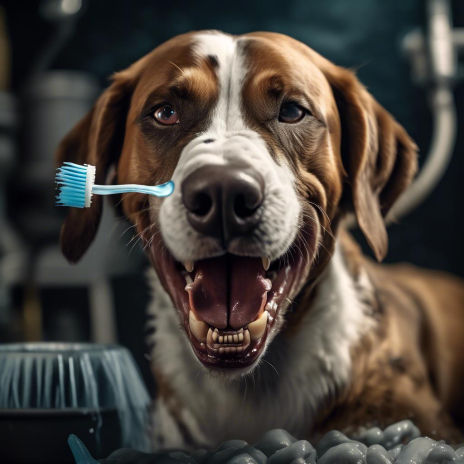
It is a common belief that a dog’s tongue is clean and has natural antiseptic properties. However, in recent years, there has been growing debate and concern regarding the cleanliness of dog tongues and their potential to transmit harmful bacteria. This article aims to explore the question: are dog tongues really clean? By delving into the scientific research and expert opinions, we will unravel the truth behind this widely held belief and shed light on the implications for canine and human health.
Table of Contents
- The Anatomy of a Dog Tongue
- Bacteria and Germs in Dog Saliva
- Comparing Dog Tongue Cleanliness to Human Tongues
- Benefits of Dog Tongue Cleaning
- Risks of Bacterial Transmission from Dog Tongues
- Tips for Maintaining a Clean Dog Tongue
- Consulting a Veterinarian about Dog Tongue Hygiene
- Q&A
- In Summary
The Anatomy of a Dog Tongue
The dog tongue is a fascinating organ that serves a variety of important functions. It is not only a tool for grooming and consuming food, but it also plays a crucial role in the dog’s communication and sense of taste. Here, we will explore and address the question of whether or not dog tongues are clean.
Anatomy of a Dog Tongue:
- Papillae: These small, rough structures on the surface of the tongue are responsible for providing grip on food and aiding in grooming.
- Salivary glands: Dogs have four major salivary glands that produce saliva to help with the digestion of food and to keep the mouth moist.
- Taste buds: Like humans, dogs have taste buds on their tongues that allow them to distinguish between different flavors.
Are Dog Tongues Clean?
Contrary to popular belief, the dog’s tongue is not a self-cleaning organ. The rough texture of a dog’s tongue can actually harbor bacteria and other germs, making it a less than sterile tool for grooming or wound licking. Additionally, dogs are known for exploring the world around them with their mouths, so their tongues can come into contact with all sorts of dirt and germs. While their saliva does contain enzymes that can help to kill some bacteria, it’s important to be mindful of what your dog is licking and to practice good oral hygiene. Regular dental care and cleaning can help to reduce the presence of harmful bacteria in a dog’s mouth, ultimately contributing to better overall hygiene.
Bacteria and Germs in Dog Saliva
It’s a common belief that a dog’s mouth is cleaner than a human’s, but is that really true? The truth is, a dog’s mouth can contain a variety of bacteria and germs that can potentially be harmful. One of the reasons for this is because a dog’s saliva contains a number of different bacteria that can cause infections in humans. While some of these bacteria are harmless to dogs, they can be harmful to humans, especially those with weakened immune systems.
Some of the bacteria commonly found in a dog’s saliva include:
- Streptococcus canis: This bacteria can cause infections in humans, especially those with weakened immune systems.
- E. coli: This bacteria is typically harmless to dogs, but it can cause severe illness in humans if ingested.
- Salmonella: Dogs can carry this bacteria without showing any symptoms, but it can cause serious illness in humans.
- Campylobacter: This bacteria can be found in a dog’s saliva and can cause diarrhea, abdominal pain, and fever in humans.
While it’s important to note that not all dogs will have harmful bacteria in their saliva, it’s always a good idea to practice good hygiene when interacting with dogs. This includes washing your hands after handling a dog, especially if you have any open wounds or cuts. Additionally, it’s important to keep your dog’s oral health in check by regularly brushing their teeth and visiting the vet for dental cleanings.
Comparing Dog Tongue Cleanliness to Human Tongues
In the debate of whether a dog’s tongue is cleaner than a human’s tongue, the answer isn’t as straightforward as one might think. While it’s commonly believed that a dog’s tongue is a self-cleaning organ, capable of removing harmful bacteria, the reality is a bit more complex. It’s important to consider the differences between the two species and their oral health habits before making a definitive claim.
One of the main arguments in favor of a dog’s tongue being cleaner than a human’s is the presence of an enzyme called lysozyme. This enzyme, found in both human and canine saliva, has antimicrobial properties that help to kill bacteria. However, it’s important to note that while a dog’s tongue may have some natural antibacterial properties, they are not immune to carrying harmful bacteria themselves. Dogs are known to lick various surfaces and objects, potentially picking up germs and bacteria along the way. Additionally, since dogs can’t brush their teeth or floss like humans, they are prone to dental issues such as plaque and tartar buildup, which can contribute to oral bacteria.
In contrast, humans have the ability to maintain their oral hygiene through regular brushing, flossing, and dental cleanings. This proactive approach to oral care can significantly reduce the number of harmful bacteria in the mouth. While both species have their own ways of managing oral health, it’s essential to understand that neither a dog’s tongue nor a human’s tongue can be definitively deemed “cleaner” than the other. It ultimately comes down to individual habits and practices when it comes to oral hygiene.
Benefits of Dog Tongue Cleaning
When it comes to the cleanliness of a dog’s tongue, there is a common misconception that it is a self-cleaning organ that doesn’t require any maintenance. However, the reality is that a dog’s tongue can harbor bacteria, food particles, and other debris, just like the human tongue. Regular cleaning of your dog’s tongue can offer several benefits that contribute to their overall oral health and well-being.
Here are some of the key :
- Improved oral hygiene: Cleaning your dog’s tongue helps to remove bacteria and food particles, reducing the risk of dental issues such as plaque and bad breath.
- Prevention of infection: Regular cleaning can help prevent the buildup of harmful bacteria on the tongue, reducing the risk of infections in the mouth.
- Enhanced sense of taste: A clean tongue allows your dog to fully enjoy their food by ensuring that their taste buds are not covered by debris.
| Benefit | Description |
|---|---|
| Improved oral hygiene | Removing bacteria and food particles reduces the risk of dental issues such as plaque and bad breath. |
| Prevention of infection | Reducing the buildup of harmful bacteria on the tongue can help prevent infections in the mouth. |
| Enhanced sense of taste | A clean tongue allows dogs to fully enjoy their food by ensuring that their taste buds are not covered by debris. |
In conclusion, regular cleaning of your dog’s tongue is an essential part of their oral care routine. By doing so, you can help to improve their oral hygiene, prevent infections, and ensure that they can fully enjoy their meals. Incorporating tongue cleaning into your dog’s grooming regimen can contribute to their overall health and happiness.
Risks of Bacterial Transmission from Dog Tongues
Understanding the
While many dog owners love to receive slobbery kisses from their furry friends, it’s essential to understand the potential . Dogs use their tongues as a primary tool for grooming, cleaning, and exploring their environment. This means that their tongues can come into contact with various bacteria and germs, which can be transferred to humans through licking.
Some of the common risks associated with bacterial transmission from dog tongues include:
- Salmonella: Dogs can carry Salmonella in their mouths, which can be transmitted to humans through licking. This can lead to symptoms such as diarrhea and vomiting.
- E. coli: Another common bacteria found in a dog’s mouth, E. coli can cause gastrointestinal issues in humans if transmitted through licking.
- Periodontal Disease: Dogs can carry bacteria that contribute to periodontal disease, which can be passed on to humans through contact with saliva.
It’s essential to practice good hygiene and be mindful of the potential risks when allowing your dog to lick you. Regular veterinary check-ups, maintaining your dog’s dental health, and keeping their grooming and environment clean can help reduce the risk of bacterial transmission from dog tongues.
Tips for Maintaining a Clean Dog Tongue
Maintaining a clean dog tongue is an essential part of your pet’s overall health and well-being. Contrary to popular belief, dog’s tongues are not always clean, as they often come into contact with a variety of bacteria and other potentially harmful substances during their daily activities. To ensure that your furry friend’s tongue stays clean and healthy, here are some helpful tips to follow.
Regular Brushing: Just like humans, dogs also need their tongues brushed regularly to remove any buildup of bacteria, food particles, and other debris. Use a dog-friendly toothbrush and toothpaste to gently clean their tongue at least a few times a week. This will help prevent bad breath and keep their mouth fresh and clean.
Healthy Diet: Providing your dog with a balanced and nutritious diet is essential for maintaining a clean tongue. A diet that is rich in natural and wholesome ingredients can help promote good oral health and reduce the risk of bacterial buildup in their mouths. Incorporating dental chews or treats specifically designed to clean your dog’s tongue can also be beneficial.
Regular Vet Check-ups: Schedule regular check-ups with your veterinarian to ensure that your dog’s tongue and overall oral health are in good condition. Your vet can provide professional cleaning and offer advice on how to maintain a clean tongue at home. Additionally, they can address any underlying dental issues that may be contributing to an unclean tongue.
In summary, maintaining a clean dog tongue is crucial for their overall health and well-being. By implementing these tips into your pet care routine, you can ensure that your dog’s tongue remains clean and healthy, reducing the risk of oral health issues and promoting a happy, vibrant life for your furry companion.
Consulting a Veterinarian about Dog Tongue Hygiene
When it comes to the hygiene of our furry friends, the cleanliness of their tongues is often a topic of concern for dog owners. can provide valuable insight into the importance of maintaining a clean and healthy tongue for our precious pups. Canine tongues are not as clean as many people believe, and consulting a veterinarian can help dispel common myths and provide guidance on how to properly care for your dog’s tongue.
Veterinarians are trained professionals who can provide expert advice on dog tongue hygiene. They can offer insights into the various factors that can impact the cleanliness of a dog’s tongue, such as diet, dental health, and oral hygiene practices. Consulting a veterinarian can help dog owners understand the importance of regular tongue cleaning and provide recommendations for safe and effective cleaning methods.
In addition to providing guidance on dog tongue hygiene, veterinarians can also offer insights into the signs of potential tongue health issues, such as infections or sores. They can provide recommendations for products and techniques to help maintain a clean and healthy dog tongue, ensuring that our furry companions stay happy and healthy for years to come. By , dog owners can gain valuable knowledge and peace of mind when it comes to caring for their beloved pets.
Factors Impacting Dog Tongue Hygiene
Consulting a veterinarian can provide insights into the various factors that can impact the cleanliness of a dog’s tongue:
- Diet
- Dental health
- Oral hygiene practices
Signs of Potential Tongue Health Issues
Veterinarians can offer insights into the signs of potential tongue health issues in dogs:
- Infections
- Sores
Q&A
Q: Are dog tongues really clean?
A: Contrary to popular belief, the cleanliness of a dog’s tongue is a topic of much debate and study in the veterinary world.
Q: What makes people believe dog tongues are clean?
A: There is a common misconception that a dog’s mouth, and specifically their tongue, is cleaner than a human’s due to their saliva containing natural antibacterial properties. Additionally, dogs are often seen licking their wounds, further contributing to the belief that their tongues are naturally clean.
Q: What do experts say about the cleanliness of dog tongues?
A: While it is true that a dog’s saliva does contain some antibacterial properties, experts caution against assuming that their tongues are clean. In fact, dogs use their tongues to groom themselves, which can transfer bacteria and other pathogens from their fur to their mouths, potentially leading to the spread of infections.
Q: Can a dog’s tongue transmit diseases to humans?
A: Yes, it is possible for a dog’s tongue to transmit diseases to humans. Research has shown that certain bacteria and pathogens present in a dog’s mouth can be transferred to humans through saliva and can potentially cause illness.
Q: What are some potential risks of allowing a dog to lick a person’s face?
A: Allowing a dog to lick a person’s face can expose them to a variety of bacteria, including those that can cause gum disease, tooth decay, and even serious infections such as E. coli and salmonella.
Q: How can dog owners promote oral hygiene for their pets?
A: Regular dental care, including brushing a dog’s teeth and providing appropriate chew toys, can help maintain oral hygiene in dogs. Additionally, avoiding allowing a dog to lick open wounds or mucous membranes, and practicing good hand hygiene after handling pets, can help reduce the risk of transmitting infections.
In Summary
In conclusion, the cleanliness of a dog’s tongue is a topic of much debate and curiosity among pet owners and veterinarians alike. While a dog’s tongue does possess some bacteria-fighting properties, it is not entirely “clean” in the traditional sense. The rough texture of a dog’s tongue and their tendency to lick various surfaces can lead to the accumulation of dirt, bacteria, and potential pathogens.
It is important for pet owners to remember that while a dog’s tongue may not be as clean as previously thought, it is a natural behavior for dogs to groom themselves and show affection through licking. However, it is essential to practice good hygiene and regularly clean your dog’s mouth, teeth, and tongue to help prevent the spread of potential bacteria and germs.
Ultimately, understanding the nuances of a dog’s tongue hygiene can help pet owners make informed decisions about their pet’s care and well-being. By maintaining good oral hygiene practices and partnering with a trusted veterinarian, pet owners can promote the overall health and cleanliness of their furry companions.


