


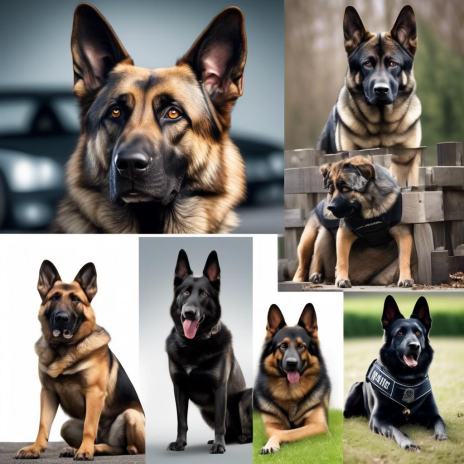
The history of law enforcement in Germany is closely intertwined with the use of police dog breeds. From tracking down criminals to sniffing out drugs and explosives, German police dog breeds have played a critical role in maintaining public safety. With a rich heritage and a focus on breeding for intelligence, agility, and loyalty, these canine companions are highly respected for their unwavering dedication to their handlers and the work they do. In this article, we will delve into the world of German police dog breeds, exploring their history, characteristics, and the important role they play in law enforcement.
Table of Contents
- History of German Police Dog Breeds
- Characteristics and Temperament of German Police Dogs
- Most Commonly Used German Police Dog Breeds
- Training and Handling of German Police Dogs
- Health and Care of German Police Dog Breeds
- Suitability of German Police Dog Breeds for Different Roles
- Q&A
- Future Outlook
History of German Police Dog Breeds
German police dog breeds have a rich history dating back to the late 19th century when the first official police dog unit was established in Germany. These intelligent and versatile breeds were initially used for tracking, guarding, and protecting police officers. Over the years, the German police dog breeds have become renowned for their exceptional loyalty, strong work ethic, and keen sense of smell, making them indispensable assets to law enforcement agencies around the world.
Some of the most popular German police dog breeds include the German Shepherd, Rottweiler, Doberman Pinscher, and the Boxer. Each of these breeds has unique characteristics and abilities that make them well-suited for police work. German Shepherds, for example, are known for their intelligence, agility, and unwavering devotion to their handlers, while Rottweilers are celebrated for their strength, confidence, and natural guarding instincts. Doberman Pinschers are highly trainable, alert, and have a fearless temperament, making them excellent police dogs. Lastly, Boxers are known for their energy, endurance, and protective nature, making them reliable partners for police officers.
These German police dog breeds undergo rigorous training to develop their skills in scent detection, apprehension, and crowd control. They are also trained to remain calm and focused in high-stress situations, making them invaluable assets in search and rescue missions, criminal apprehension, and narcotics detection. German police dog breeds continue to play a vital role in law enforcement today, serving as loyal companions and dependable partners to their human handlers.
Characteristics and Temperament of German Police Dogs
German police dogs are known for their exceptional characteristics and temperament, making them one of the most popular choices for law enforcement agencies around the world. These dogs are highly intelligent, loyal, and have a strong work ethic, which makes them well-suited for the rigorous demands of police work. German police dogs are trained to be versatile, adaptable, and highly skilled in various tasks such as tracking, searching, and apprehending suspects.
One of the most outstanding characteristics of German police dogs is their high level of intelligence. These dogs are quick learners and can easily grasp complex commands and tasks. Their ability to think on their feet and make quick decisions is essential in high-pressure situations, making them invaluable assets to police forces. Additionally, German police dogs are known for their strong work ethic and determination, enabling them to work tirelessly for long hours without losing focus.
In terms of temperament, German police dogs are renowned for their unwavering loyalty and devotion to their handlers. They form strong bonds with their human partners and will stop at nothing to protect and serve them. These dogs are also highly confident and assertive, with a natural instinct to assert authority when necessary. Despite their assertiveness, German police dogs are also known for their level-headedness and calm demeanor, allowing them to remain composed even in the most challenging and stressful situations.
Most Commonly Used German Police Dog Breeds
German police dog breeds are known for their intelligence, strength, and versatility, which make them ideal for law enforcement duties. These breeds undergo rigorous training to ensure they possess the necessary skills to assist police officers in various tasks such as search and rescue, tracking suspects, and apprehending criminals.
German Shepherd: German Shepherds are one of the most commonly used police dog breeds in Germany and around the world. They are highly intelligent, loyal, and possess a strong protective instinct, making them excellent candidates for police work. Due to their versatility, German Shepherds are used in a wide range of law enforcement activities, including drug detection, search and rescue, and crowd control.
Rottweiler: Rottweilers are another popular choice for police work in Germany. They are powerful, confident, and have a natural guarding instinct, which makes them suitable for protection and apprehension tasks. Their strength and courage make them valuable assets for police officers in high-risk situations.
Doberman Pinscher: Known for their speed, agility, and fearlessness, Doberman Pinschers are commonly used in police work for their exceptional tracking and apprehension skills. They are quick learners and are highly responsive to training, making them reliable partners for law enforcement officers.
| Breed | Characteristics |
|---|---|
| German Shepherd | Intelligent, loyal, versatile, excellent protective instinct |
| Rottweiler | Powerful, confident, natural guarding instinct |
| Doberman Pinscher | Speedy, agile, fearless, exceptional tracking skills |
Overall, German police dog breeds are selected for their specific traits that make them suitable for the complex and demanding tasks required in law enforcement. Each breed brings unique qualities to the table and plays a crucial role in ensuring the safety and security of the communities they serve.
Training and Handling of German Police Dogs
German police dogs are highly trained and skilled canines that play a crucial role in law enforcement. These dogs are carefully selected for their intelligence, strength, and agility, and undergo rigorous training to prepare them for their important role in the police force. The are essential to ensure that they are capable of carrying out their duties effectively and safely.
Training for German police dogs begins at a young age, typically between the ages of 12-18 months. The training process involves a combination of obedience training, scent work, agility training, and criminal apprehension exercises. These dogs are trained to respond to various commands from their handlers, and to confidently navigate through different environments and situations. German police dogs are also trained to detect narcotics, explosives, and track down suspects. The bond between the dog and its handler is of utmost importance, as they work closely together in high-pressure and potentially dangerous situations.
Handling German police dogs requires a high level of skill and understanding of canine behavior. Police dog handlers undergo specialized training to effectively communicate and work with their K-9 partners. They are responsible for the care, training, and deployment of the dogs, as well as ensuring their health and well-being. Police dog handlers develop a strong bond with their canine partners through consistent training, regular exercise, and positive reinforcement. This bond is essential for successful teamwork and a strong working relationship between the dog and its handler.
Health and Care of German Police Dog Breeds
German police dog breeds are known for their intelligence, agility, and loyalty, making them excellent companions for law enforcement officers. These canine officers play a crucial role in maintaining public safety and security, and their health and care are of utmost importance.
Health and Fitness
Just like any other breed, German police dog breeds require regular exercise to keep them physically fit and mentally stimulated. Daily activities such as walking, running, and obedience training are essential to keep them in top condition. Proper nutrition is also vital for their overall health, so a balanced diet that meets their specific needs is crucial. Regular visits to the veterinarian for check-ups and vaccinations are necessary to ensure they are in good health.
Training and Mental Health
German police dog breeds are incredibly intelligent and require regular mental stimulation to prevent boredom and behavioral issues. Training sessions, interactive toys, and puzzle games are essential to keep their minds sharp and focused. Positive reinforcement techniques should be used during training to build a strong bond and trust between the dog and their handler. Additionally, ensuring a safe and comfortable environment, as well as providing ample socialization opportunities, are crucial for their mental well-being.
In conclusion, the are essential in maintaining their physical fitness, mental well-being, and overall effectiveness in serving the community. With proper nutrition, regular exercise, and mental stimulation, these loyal and dedicated canine officers can continue to excel in their roles and make a positive impact in law enforcement.
Suitability of German Police Dog Breeds for Different Roles
When it comes to German police dog breeds, there are several types that are well-suited to different roles within law enforcement. These breeds are known for their intelligence, strength, and obedience, making them ideal for a variety of tasks. Whether it’s detecting drugs, tracking suspects, or apprehending criminals, German police dog breeds have proven themselves to be invaluable assets to police forces around the world.
One of the most popular German police dog breeds is the German Shepherd. Known for their agility and versatility, German Shepherds are often used as general duty police dogs. They excel in tasks such as search and rescue, patrol work, and narcotics detection. Their protective nature and quick learning ability make them a top choice for law enforcement agencies.
Another German police dog breed that is commonly utilized is the Rottweiler. These powerful and confident dogs are often employed as guard dogs, as well as in apprehension and tracking roles. Their loyalty and assertiveness make them well-suited for protecting officers and apprehending suspects. In addition to their physical capabilities, Rottweilers are also known for their keen intelligence and adaptability.
Q&A
Q: What are some common German police dog breeds?
A: Common German police dog breeds include the German Shepherd, Rottweiler, Doberman Pinscher, and Belgian Malinois.
Q: What characteristics make these breeds well-suited for police work?
A: These breeds are known for their intelligence, trainability, strength, and loyalty. They also have strong protective instincts and are capable of handling the rigorous demands of police work.
Q: What specific tasks are these dogs trained to perform?
A: German police dogs are trained to perform a variety of tasks, including tracking suspects, apprehending criminals, searching for drugs or explosives, and conducting search and rescue missions. They can also be trained to assist in patrolling and crowd control.
Q: How are these breeds typically trained for police work?
A: German police dogs undergo rigorous and specialized training to develop their skills in obedience, agility, tracking, and apprehension. Trainers work closely with the dogs to ensure they are prepared to handle the challenges of police work in a variety of environments.
Q: Are there any health considerations specific to German police dog breeds?
A: German police dog breeds are generally healthy, but they may be prone to certain genetic conditions such as hip dysplasia and elbow dysplasia. It is important for police departments to provide regular veterinary care and monitoring to ensure the well-being of their K-9 units.
Q: What are some considerations for police departments when selecting and caring for German police dog breeds?
A: Police departments must carefully consider the temperament, physical capabilities, and training requirements of each individual dog when selecting a German police dog breed. Additionally, ongoing care, training, and socialization are essential to ensure the success and well-being of the K-9 unit.
Future Outlook
In conclusion, the German police dog breeds are an integral part of law enforcement and have proven to be highly effective in various roles, from tracking and apprehending suspects to detecting narcotics and explosives. Their exceptional intelligence, strength, and loyal nature make them invaluable assets to the police force. Whether it’s the versatile German Shepherd, the agile Doberman Pinscher, or the fearless Rottweiler, each breed brings its own unique set of skills and qualities to the table. With proper training and handling, these remarkable dogs continue to serve and protect communities around the world. As we continue to witness the ever-evolving landscape of law enforcement, it is clear that the German police dog breeds will remain an essential component in maintaining public safety and upholding the rule of law.


