


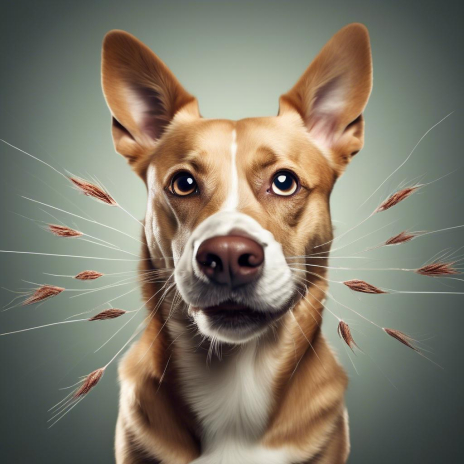
Dog whiskers are not just a cute feature of your furry friend, they actually serve an important purpose. These specialized sensory hairs aid dogs in navigation and detecting changes in their environment. However, there may be instances where a dog’s whiskers need to be trimmed for grooming or medical reasons. This raises the question: do dog whiskers grow back if cut? In this article, we will delve into the intricate world of canine whiskers to understand the regrowth process and the implications of trimming them.
Table of Contents
- Do Dog Whiskers Serve a Purpose?
- The Anatomy of Dog Whiskers
- What Happens When Dog Whiskers are Cut?
- Will Dog Whiskers Grow Back if Cut?
- Potential Risks of Cutting Dog Whiskers
- Tips for Caring for Dog Whiskers
- Consulting a Veterinarian for Whisker Care
- Q&A
- In Conclusion
Do Dog Whiskers Serve a Purpose?
Dog whiskers, also known as vibrissae, are not just there for decoration – they serve an important purpose for our canine companions. These long, stiff hairs are deeply rooted in the dog’s skin and are highly sensitive, providing them with vital information about their surroundings. Here’s what you need to know about the function of dog whiskers and whether they grow back if cut.
Function of Dog Whiskers:
- Sensory Perception: Dog whiskers are embedded with sensory receptors at their base, enabling them to detect even the slightest changes in air currents. This helps dogs navigate through dimly lit or unfamiliar spaces, as well as alert them to potential dangers.
- Protection: Whiskers act as a form of protection, signaling to a dog when they are getting too close to an object. They help prevent collisions and injuries by providing valuable spatial information.
Do Dog Whiskers Grow Back If Cut?
If your dog’s whiskers are accidentally trimmed or cut, you may be wondering if they will eventually regrow. The good news is that, like human hair, dog whiskers have the ability to grow back. It may take some time, but with patience, your dog’s vibrissae will gradually return to their usual length. However, it’s important to remember that cutting a dog’s whiskers can disrupt their sensory perception and cause them distress. It’s best to avoid trimming their whiskers whenever possible to ensure their overall well-being.
In conclusion, dog whiskers are not just a feature of their appearance, but rather an essential tool for their sensory perception and protection. While dog whiskers can grow back if cut, it’s important to handle them with care and avoid unnecessary trimming to maintain your dog’s comfort and safety.
The Anatomy of Dog Whiskers
Dog whiskers, also known as vibrissae, are specialized hairs that are deeply embedded in the dog’s muzzle. They are much thicker and stiffer than regular hair and are extremely sensitive, acting as a sensory tool for the dog. These whiskers are deeply rooted in the dog’s skin and are connected to the nervous system, allowing them to send important signals to the brain about the dog’s surroundings.
If a dog’s whiskers are cut, they will typically grow back. However, it is important to note that cutting a dog’s whiskers can cause discomfort and disorientation for the dog. Whiskers play a vital role in helping dogs navigate their environment, as they can detect changes in air currents and even sense objects in the dark. As such, it is best to avoid cutting a dog’s whiskers whenever possible.
In conclusion, dog whiskers do have the ability to grow back if cut, but it is best to avoid cutting them in the first place. These specialized hairs play a crucial role in helping dogs navigate and understand their environment, and cutting them can cause discomfort and disorientation for the dog. As responsible pet owners, it is important to be mindful of the importance of a dog’s whiskers and to avoid any unnecessary grooming that could potentially harm the animal.
What Happens When Dog Whiskers are Cut?
When dog whiskers are cut, it can have both physical and psychological effects on the animal. The whiskers, also known as vibrissae, are essential sensory organs that provide dogs with vital information about their surroundings. Cutting a dog’s whiskers can disrupt their ability to navigate and sense their environment, leading to potential accidents or injuries.
Physically, cutting a dog’s whiskers can cause discomfort and disorientation. Whiskers are deeply rooted in nerve endings, and cutting them can be painful for the dog. Additionally, without their whiskers, dogs may struggle to judge the distance of objects, making it challenging for them to move around safely.
Psychologically, the loss of whiskers can cause dogs to feel anxious and stressed. Whiskers play a significant role in a dog’s communication and social interactions with other animals. Without them, dogs may struggle to interpret subtle cues from their environment, leading to potential behavioral changes.
Do dog whiskers grow back if cut?
If a dog’s whiskers are cut, they will eventually grow back. However, it is essential to allow sufficient time for the whiskers to regrow fully. It can take several weeks to several months for whiskers to grow back to their original length. During this time, it is crucial to ensure that the dog’s environment is safe and free from potential hazards, as their diminished sensory abilities could leave them vulnerable to accidents. To avoid the need for the whiskers to regrow, it is important to handle and groom dogs with care, ensuring their vibrissae are not inadvertently cut.
Will Dog Whiskers Grow Back if Cut?
Dog whiskers are not just a fun facial feature for our furry friends; they serve an essential purpose. Whiskers, also known as vibrissae, are highly sensitive touch receptors that help dogs navigate their environment. They provide crucial information about the size, shape, and texture of objects around them. However, despite their importance, some dog owners may be tempted to trim or cut their dog’s whiskers for aesthetic reasons. But the question remains,
If your dog’s whiskers are mistakenly cut, there’s good news – they will indeed grow back. Although it may take some time, the whiskers will eventually regrow, and the dog’s ability to navigate their surroundings will not be permanently affected. It’s important to note that while the whiskers are regrowing, your dog may experience some temporary disorientation. During this time, it’s best to provide a safe and familiar environment for your dog to move around in, as their diminished sense of spatial awareness may cause them to bump into objects more frequently.
In conclusion, while dog whiskers will grow back if cut, it’s best to avoid trimming them whenever possible to prevent any temporary disorientation for your canine companion. Whiskers are an important sensory tool for dogs, and ensuring their well-being and comfort should always be a top priority for dog owners. If you do find it necessary to trim your dog’s whiskers for grooming purposes, always consult with a professional groomer to ensure your dog’s safety and well-being.
Potential Risks of Cutting Dog Whiskers
There are several potential risks associated with cutting a dog’s whiskers, and it’s important for pet owners to understand the consequences before making the decision to trim their furry friend’s facial hair. While cutting dog whiskers may seem harmless, it can actually lead to a range of negative effects on the dog’s sensory abilities and overall well-being. Here are some potential risks of cutting a dog’s whiskers:
-
Sensory Impairment: Dog whiskers, also known as vibrissae, are deeply rooted within the dog’s facial structure and are highly sensitive to touch, air movement, and vibrations. When the whiskers are cut, it can impair the dog’s ability to navigate and perceive its environment, leading to disorientation and potential accidents.
-
Communication Disruption: Dogs use their whiskers to communicate with other animals and humans. Cutting a dog’s whiskers can interfere with their ability to express emotion and intentions, leading to misunderstandings and behavioral changes.
-
Potential for Pain and Infection: The process of cutting a dog’s whiskers can be painful and stressful for the animal, increasing the risk of injury and potential infection. The follicles of the whiskers may also become inflamed and infected, causing discomfort and potential health issues for the dog.
In conclusion, cutting a dog’s whiskers can have significant negative effects on the animal’s well-being, sensory perception, and communication abilities. Pet owners should carefully consider the potential risks before making the decision to trim their dog’s whiskers, and consult with a professional groomer or veterinarian for alternative grooming options that won’t compromise the dog’s natural sensory abilities.
Tips for Caring for Dog Whiskers
When it comes to caring for your dog’s whiskers, it’s important to understand the significance of these specialized sensory hairs. Dog whiskers, also known as vibrissae, play a crucial role in helping your furry friend navigate their environment. They are highly sensitive and help dogs detect changes in their surroundings, such as the presence of nearby objects or changes in air currents. As a responsible pet owner, it’s essential to handle your dog’s whiskers with care to ensure their well-being and overall comfort. Here are some essential tips for caring for your dog’s whiskers:
Avoid Cutting or Trimming Whiskers: One of the most crucial tips for caring for your dog’s whiskers is to avoid cutting or trimming them. Dog whiskers are deeply rooted and are designed to fall out and regrow naturally. However, cutting or trimming them can cause discomfort and disrupt your dog’s ability to sense their surroundings effectively.
Gentle Handling: When grooming or petting your dog, be mindful of their whiskers and handle them gently. Avoid tugging or pulling on their whiskers as this can cause discomfort and even pain for your furry friend.
Regular Check-ups: During regular grooming sessions or while giving your dog affectionate pets, take a moment to examine their whiskers. Look for any signs of damage or irritation, and if you notice anything unusual, consult with your veterinarian for proper care and guidance.
In conclusion, dog whiskers do grow back if cut, but it’s important to handle them with care and avoid unnecessary trimming or cutting. By following these tips for caring for your dog’s whiskers, you can help ensure that your furry friend remains comfortable and able to rely on their essential sensory hairs for navigating their surroundings.
Consulting a Veterinarian for Whisker Care
When it comes to taking care of your canine companion, it’s important to remember that their whiskers are not just for show. Dog whiskers are highly sensitive and serve an important sensory function, helping them navigate their surroundings and detect changes in the environment. If your dog’s whiskers have been accidentally cut or trimmed, it’s natural to wonder if they will grow back. is essential to ensure the health and well-being of your furry friend.
Do Dog Whiskers Grow Back if Cut?
In most cases, dog whiskers will grow back if they have been cut. However, it’s important to remember that whiskers are sensitive and cutting them can cause discomfort to your dog. When dog whiskers are trimmed, it may take some time for them to fully grow back, and during this time, your dog may experience some difficulties navigating their surroundings. It’s crucial to consult a veterinarian for whisker care to ensure that your dog’s whiskers are given the proper attention and care they need to grow back as quickly and healthily as possible.
Q&A
Q: What are dog whiskers and what is their purpose?
A: Dog whiskers, also known as vibrissae, are long, thick hairs located on the muzzle, above the eyes, and on the back of the front legs. They are highly sensitive and serve as a sensory tool for dogs, helping them navigate their environment and detect changes in air currents.
Q: Can dog whiskers grow back if they are cut?
A: Yes, dog whiskers can grow back if they are cut. However, it may take some time for them to fully regrow, and during this period, the dog may experience some disruption in their sensory abilities.
Q: How long does it take for dog whiskers to grow back after being cut?
A: The regrowth period for dog whiskers can vary depending on the individual dog and its breed. In general, it may take several weeks to a few months for whiskers to fully regrow.
Q: What are the potential consequences of cutting a dog’s whiskers?
A: Cutting a dog’s whiskers can disrupt their ability to sense their surroundings, leading to increased clumsiness and potential hazards. Whisker damage can also cause discomfort and anxiety for the dog, as their natural sensory abilities are compromised.
Q: Are there any circumstances where it is acceptable to cut a dog’s whiskers?
A: It is generally not recommended to cut a dog’s whiskers unless it is deemed necessary for medical reasons by a veterinarian. Grooming should be done carefully to avoid cutting or damaging the whiskers, as they play a crucial role in a dog’s sensory perception.
Q: What precautions should be taken when grooming a dog with whiskers?
A: When grooming a dog with whiskers, it is important to be cautious and gentle around the whisker areas. Using blunt-tipped scissors and being mindful of the location of the whiskers can help prevent accidental cutting or damage. Regular grooming and maintenance of the dog’s coat can also help keep the whiskers healthy and intact.
In Conclusion
In conclusion, dog whiskers do indeed grow back if they are cut. However, it is important to note that whiskers play a crucial role in a dog’s sensory capabilities, and cutting them can disrupt their ability to navigate and understand their environment. Therefore, it is best to avoid cutting a dog’s whiskers unless absolutely necessary, and to always consult with a veterinarian before doing so. Additionally, it is essential to handle any grooming procedures with caution and care to ensure the well-being and comfort of our canine companions. Understanding the importance of dog whiskers and taking appropriate measures to maintain their health and functionality is essential for the overall well-being of our furry friends.


