


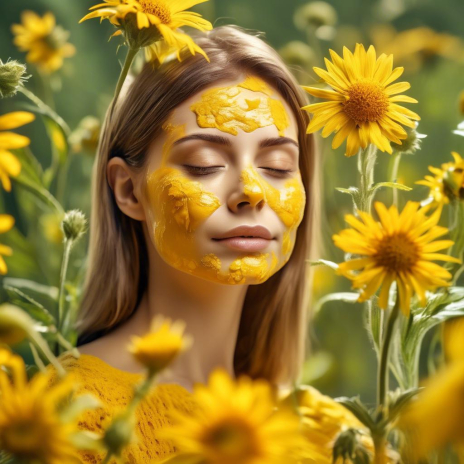
Arnica, a natural herb often used in traditional medicine, has gained attention in the skincare industry for its potential benefits in promoting healthy and radiant skin. As the demand for natural and organic ingredients continues to grow, arnica is becoming a popular choice for skincare formulations. In this article, we will explore the advantages of incorporating arnica into skincare products and how it can contribute to overall skin health. We will also discuss the potential challenges and considerations when using arnica in skincare formulations.
Table of Contents
- The benefits of arnica in skincare
- Harnessing the anti-inflammatory properties of arnica
- How to incorporate arnica into your skincare routine
- Choosing the right arnica-infused products for your skin type
- Maximizing the healing properties of arnica for sensitive skin
- Potential side effects and precautions when using arnica in skincare
- The science behind arnica’s effectiveness in reducing bruising and swelling
- Professional recommendations for using arnica in post-procedure skincare
- Q&A
- Closing Remarks
The benefits of arnica in skincare
Arnica is a natural herb that has been used for centuries in traditional medicine for its anti-inflammatory and healing properties. When it comes to skincare, arnica offers a range of benefits that can help improve the overall health and appearance of the skin. From reducing inflammation to speeding up the healing process, this powerful ingredient is a valuable addition to any skincare routine.
One of the key benefits of arnica in skincare is its ability to reduce inflammation. Whether you have acne, rosacea, or just general redness and irritation, arnica can help calm the skin and minimize the appearance of redness and swelling. This makes it an ideal ingredient for those with sensitive or reactive skin, as it can help soothe and comfort the skin, promoting a more even and balanced complexion.
In addition to its anti-inflammatory properties, arnica is also known for its ability to speed up the healing process. Whether you have a cut, bruise, or sunburn, arnica can help promote faster healing and reduce the appearance of scars and discoloration. This makes it a valuable ingredient in products designed for post-treatment care, as it can help the skin recover more quickly and efficiently. With these benefits in mind, it’s clear that arnica is a valuable addition to any skincare routine, offering both soothing and healing properties for a healthier, happier complexion.
Harnessing the anti-inflammatory properties of arnica
Arnica, a perennial herb, has been used for centuries to soothe and heal various ailments, including inflammation. With its powerful anti-inflammatory properties, arnica has found its way into the skincare industry, offering a natural solution for calming and reducing redness, swelling, and irritation on the skin.
One of the key components of arnica is helenalin, which has been found to possess significant anti-inflammatory effects. When applied topically, arnica can help to alleviate the discomfort associated with insect bites, bruises, and muscle aches. In skincare products, arnica can work wonders for those with sensitive or reactive skin, providing a soothing and calming effect.
In addition to its anti-inflammatory properties, arnica also contains antioxidants that can help protect the skin from environmental stressors. This makes it a valuable ingredient in skincare products designed to combat premature aging and promote overall skin health. When choosing skincare products that harness the power of arnica, look for those that are formulated with high-quality arnica extracts and oils to ensure maximum effectiveness. With its natural healing properties, arnica is a beneficial addition to any skincare routine, offering a gentle yet potent solution for addressing inflammation and promoting skin health.
How to incorporate arnica into your skincare routine
Benefits of Incorporating Arnica into Your Skincare Routine
- Reduces inflammation: Arnica has anti-inflammatory properties that can help to calm irritated skin and reduce redness.
- Improves circulation: When used topically, arnica can help to stimulate blood flow, promoting a more radiant complexion.
- Speeds up healing: Arnica is known for its ability to promote healing and reduce the appearance of bruises and discoloration.
- Antibacterial properties: This natural ingredient has antibacterial properties that can help to keep the skin clean and clear.
Choosing the right arnica-infused products for your skin type
When it comes to choosing the right skincare products for your skin type, arnica-infused products can offer a range of benefits. Arnica is a natural ingredient known for its anti-inflammatory and skin-soothing properties, making it a popular choice for those with sensitive or irritated skin. However, not all arnica-infused products are created equal, and it’s important to understand how to select the right one for your specific skin type.
If you have sensitive or easily irritated skin, look for arnica-infused products that are formulated specifically for sensitive skin. These products are often free of harsh chemicals and potential allergens, making them gentle and soothing for sensitive skin types. Additionally, consider choosing products with added moisturizing ingredients, such as aloe vera or shea butter, to help hydrate and nourish your skin while the arnica works its magic.
For those with oily or acne-prone skin, opt for arnica-infused products that are lightweight and non-comedogenic. This means that they won’t clog your pores or contribute to excess oil production. Look for products that also contain acne-fighting ingredients, such as salicylic acid or tea tree oil, to help keep breakouts at bay. It’s essential to choose products that won’t exacerbate existing skin issues, so be sure to read the labels carefully and select products that are designed specifically for your skin type.
Maximizing the healing properties of arnica for sensitive skin
Arnica is a valuable herb with powerful healing properties that can do wonders for sensitive skin. It has been used for centuries to relieve inflammation, reduce pain, and promote healing in topical applications. When used in skincare products, arnica can help soothe and calm sensitive skin, making it an excellent choice for those with delicate or easily irritated skin.
One of the key benefits of arnica for sensitive skin is its anti-inflammatory properties. Arnica contains compounds that can help reduce inflammation and redness, making it an ideal ingredient for calming sensitive skin. In addition, arnica is also known for its ability to promote healing, making it a great choice for those with sensitive skin that is prone to irritation or redness.
When looking for skincare products that incorporate arnica, be sure to choose ones that are formulated for sensitive skin. This ensures that the product is gentle and soothing, making it suitable for those with delicate skin. Whether it’s a calming cream, a soothing serum, or a gentle cleanser, arnica can maximize its healing properties for sensitive skin when used in the right skincare products.
Potential side effects and precautions when using arnica in skincare
Arnica, a herb from the sunflower family, has gained popularity in skincare due to its anti-inflammatory and pain-relieving properties. While this natural ingredient can offer several benefits for the skin, it’s important to be aware of potential side effects and take precautions when using arnica in skincare products.
Potential Side Effects:
- Skin Irritation: Arnica may cause irritation, redness, and itching in some individuals, especially those with sensitive skin.
- Allergic Reactions: Some people may be allergic to arnica, leading to hives, rashes, or swelling.
- Contact Dermatitis: Prolonged or excessive use of arnica skincare products can result in contact dermatitis, characterized by dry, itchy, and inflamed skin.
Precautions:
- Patch Test: Before using any skincare product containing arnica, perform a patch test to check for any adverse reactions.
- Use in Moderation: Avoid using arnica products excessively, as this can increase the risk of skin irritation.
- Consult a Professional: If you have pre-existing skin conditions or are pregnant or nursing, consult a dermatologist or healthcare professional before incorporating arnica into your skincare routine.
In conclusion, while arnica can offer potential benefits for the skin, it’s essential to be cautious and mindful of potential side effects. By being aware of these considerations and taking necessary precautions, you can enjoy the benefits of arnica in skincare while minimizing the risk of adverse reactions.
The science behind arnica’s effectiveness in reducing bruising and swelling
Arnica is a popular ingredient in skincare products renowned for its effectiveness in reducing bruising and swelling. But what exactly is the science behind this natural remedy’s ability to soothe and heal the skin?
Arnica contains compounds such as helenalin, which possess anti-inflammatory and pain-relieving properties. When applied to the skin, arnica can help to reduce swelling by inhibiting the body’s inflammatory response. This makes it a valuable ingredient in skincare products designed to minimize bruising and inflammation, especially after cosmetic procedures or injuries.
The powerful anti-inflammatory effects of arnica make it a go-to ingredient for many individuals seeking to accelerate the healing process of their skin. Additionally, arnica can stimulate the production of collagen, thereby promoting the regeneration of healthy skin tissue. As a result, skincare products containing arnica can also help to improve the overall appearance and texture of the skin, making it a versatile and valuable addition to any skincare routine.
Professional recommendations for using arnica in post-procedure skincare
Arnica has been a staple in post-procedure skincare for many years, and for good reason. This natural remedy has shown to have powerful anti-inflammatory and healing properties, making it an ideal choice for soothing and promoting recovery after cosmetic treatments such as laser procedures, chemical peels, or microdermabrasion. However, it’s important to use arnica properly to ensure maximum benefits and safety. Here are some :
Choose the Right Form: Arnica can be found in various forms, including gels, creams, oils, and homeopathic pellets. The most suitable form for post-procedure skincare is a topical arnica gel or cream specifically formulated for wound healing and bruise reduction. Look for products that contain a high concentration of arnica and are free from potentially irritating ingredients.
Follow Proper Application Techniques: When applying arnica to the treated area, be gentle and avoid rubbing it into the skin vigorously. Instead, use a light tapping motion to ensure the product is evenly distributed without causing friction or further irritation to the skin.
Be Consistent: For the best results, it’s essential to use arnica regularly as part of your post-procedure skincare routine. Apply the product as directed by your skincare professional, typically several times a day for the first few days following the procedure.
Avoid Broken Skin: Arnica should not be applied to open wounds or broken skin. If your procedure results in any cuts, incisions, or blistering, wait until the skin has fully healed before incorporating arnica into your skincare routine.
Consult Your Skincare Professional: Before starting any new skincare regimen, especially following a cosmetic procedure, it’s crucial to consult with your skincare professional. They can provide personalized recommendations and guidance based on your specific needs and the type of procedure you’ve undergone.
Incorporating arnica into your post-procedure skincare routine can help minimize swelling, bruising, and discomfort, leading to a smoother and more comfortable recovery. By following these professional recommendations, you can make the most of arnica’s healing properties while ensuring the safety and effectiveness of your skincare regimen.
Q&A
Q: What is arnica and what are its benefits in skincare?
A: Arnica is a perennial herb native to Europe that has been used for centuries in traditional medicine for its anti-inflammatory and healing properties. In skincare, arnica is praised for its ability to reduce swelling, bruising, and redness, making it a popular ingredient in products designed to soothe and heal the skin.
Q: How does arnica work in skincare products?
A: Arnica contains compounds such as helenalin, which have been found to reduce inflammation and promote circulation. When applied topically, arnica can help decrease puffiness, calm irritated skin, and accelerate the healing of bruises and skin trauma.
Q: Are there any potential risks or side effects associated with using arnica in skincare?
A: While arnica is generally considered safe for topical use, some individuals may experience allergic reactions or skin irritation. It is important to perform a patch test before using products containing arnica, and to discontinue use if any adverse reactions occur.
Q: What types of skincare products commonly contain arnica?
A: Arnica can be found in a variety of skincare products, including creams, gels, serums, and ointments designed for soothing and healing purposes. It is often incorporated into formulations for sensitive or damaged skin, as well as in products targeted towards reducing inflammation and redness.
Q: Is arnica suitable for all skin types?
A: Arnica can be beneficial for all skin types, but individuals with sensitive skin or allergies should exercise caution when using products containing arnica. Consulting with a dermatologist or skincare professional is recommended to determine the best approach for incorporating arnica into a skincare routine.
Closing Remarks
In conclusion, arnica has proven to be a beneficial ingredient in skincare products due to its anti-inflammatory, antibacterial, and healing properties. By incorporating arnica into skincare routines, individuals can experience reduced redness, swelling, and bruising, while promoting overall skin health. As with any ingredient, it is important to use arnica products as directed and to consult with a skincare professional if any adverse reactions occur. With continued research and development, arnica has the potential to play a significant role in the future of skincare. Thank you for reading and stay tuned for more updates on skincare innovations.


