


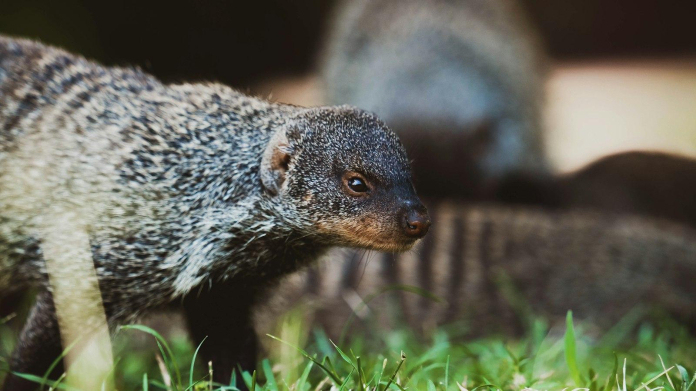
Hawaii’s unique ecosystem is home to an array of fascinating wildlife, but one creature that often sparks curiosity is the mongoose. As visitors and residents alike wonder about the presence of these elusive animals on the islands, we delve into the question: are there mongoose in Hawaii? Join us as we explore the history of their introduction, their impact on the local environment, and the current status of these enigmatic creatures in the Aloha State.
Table of Contents
- Mongoose in Hawaii: An Invasive Species Threatening Native Wildlife
- The History of Mongoose Introduction to Hawaii and Its Environmental Impact
- Efforts to Control the Mongoose Population in Hawaii
- The Importance of Protecting Hawaii’s Ecosystem from Invasive Species
- How Individuals Can Help Prevent the Spread of Mongoose in Hawaii
- Q&A
- The Way Forward
Mongoose in Hawaii: An Invasive Species Threatening Native Wildlife
The presence of mongooses in Hawaii has been a growing concern for conservationists and wildlife experts. This non-native species was first introduced to the islands in the late 1800s in an attempt to control the rat population in sugarcane fields. However, the unintended consequences of this introduction have had a significant impact on the native wildlife of Hawaii.
With their predatory nature and lack of natural predators in Hawaii, mongooses have thrived in the islands and posed a serious threat to native bird species, reptiles, and insects. Their presence has led to a decline in the populations of ground-nesting birds such as the Hawaiian gallinule and the nene, as well as the extinction of several species of native reptiles. The impact of mongooses on the delicate ecosystems of Hawaii has raised concerns about the long-term survival of many native species.
The History of Mongoose Introduction to Hawaii and Its Environmental Impact
Hawaii is home to a wide array of unique and fascinating wildlife, but one particular species has a rather controversial history on the islands – the mongoose. The introduction of the mongoose to Hawaii was a well-intentioned effort to control the rat population in the 19th century, but it has had unintended and long-lasting environmental impacts.
Here’s a closer look at the history of the mongoose introduction to Hawaii and its environmental impact:
- History of Mongoose Introduction: The small Indian mongoose was introduced to Hawaii in the late 1800s as a form of pest control. Sugar plantations were struggling with rat infestations, and it was believed that releasing mongooses would help to curb the problem. Unfortunately, the plan backfired, as mongooses are diurnal (active during the day) and rats are nocturnal, so they rarely cross paths. As a result, the rat population continued to thrive, while the mongoose population exploded.
- Environmental Impact: The unchecked mongoose population has had devastating effects on native Hawaiian bird and reptile species. The mongoose is an opportunistic predator, and its introduction has led to the decline and extinction of numerous ground-nesting birds, insects, and small reptiles. This has disrupted the delicate balance of Hawaii’s ecosystems and put many species at risk.
| Year | Event |
|---|---|
| 1883 | Mongooses were introduced to Hawaii |
| Early 20th century | Researchers began to observe negative impacts on native wildlife |
| Present | Efforts are underway to mitigate the effects of the mongoose on Hawaii’s ecosystems |
Efforts to Control the Mongoose Population in Hawaii
**The Mongoose Situation in Hawaii**
The mongoose population in Hawaii is a topic of concern for the local authorities and wildlife conservationists. The introduction of mongooses to Hawaii happened in the late 1800s when they were brought in to control the rat population in sugarcane fields. Unfortunately, the plan backfired as mongooses turned out to be active during the day, while rats were active at night, leading to no successful control of the rat population.
**Efforts to Manage the Mongoose Population**
Various efforts have been made to control the mongoose population in Hawaii, including the following methods:
- Trapping and removal: Some organizations have implemented trapping and removal programs to reduce the number of mongooses on the islands.
- Fertility control: Research is being conducted on fertility control methods to limit mongoose reproduction and population growth.
- Public education: Efforts have been made to educate the public on the negative impact of mongooses on native Hawaiian species and ecosystems.
While these efforts have shown some promise, the mongoose population in Hawaii remains a significant issue that requires ongoing attention and management.
The Importance of Protecting Hawaii’s Ecosystem from Invasive Species
Yes, there are mongoose in Hawaii. The small Indian mongoose was introduced to the islands in the late 1800s in an attempt to control the rat population in sugar cane fields. However, the introduction of this species has had a detrimental impact on Hawaii’s ecosystem. The mongoose is a predator to various native Hawaiian species, including birds, insects, and reptiles. Their presence has contributed to the decline of several endemic species, some of which are now endangered or critically endangered.
The mongoose’s negative impact on Hawaii’s ecosystem highlights the importance of protecting the islands from invasive species. The delicate balance of Hawaii’s unique ecosystem has been disrupted by the introduction of non-native species, posing a threat to the biodiversity and ecological stability of the region. Efforts to mitigate the effects of invasive species, such as the mongoose, are crucial for preserving Hawaii’s natural heritage and allowing native species to thrive. By implementing proactive measures to control and prevent the spread of invasive species, Hawaii can safeguard its delicate ecosystem for future generations.
Protecting Hawaii’s ecosystem from invasive species is essential for maintaining the ecological integrity of the islands and ensuring the survival of native flora and fauna. It requires the collaboration and commitment of local communities, conservation organizations, and government agencies to address the challenges posed by invasive species effectively. Through education, awareness, and strategic management practices, Hawaii can work towards minimizing the impact of invasive species like the mongoose and safeguarding its precious natural resources.
How Individuals Can Help Prevent the Spread of Mongoose in Hawaii
Hawaii is home to a variety of unique and diverse wildlife, but one species that is causing concern for environmentalists and conservationists is the mongoose. Originally introduced to the islands in the late 1800s in an attempt to control the rat population in sugar cane fields, the mongoose has since become an invasive species with detrimental effects on native bird populations and ecosystems.
Individuals can play a crucial role in helping to prevent the further spread of mongoose in Hawaii through the following actions:
- Supporting and volunteering with local conservation organizations that are working to control and eradicate mongoose populations.
- Actively participating in community efforts to monitor and report mongoose sightings to help track their spread and inform control strategies.
- Advocating for stricter regulations on the importation and ownership of mongoose as pets to prevent accidental or intentional releases into the wild.
Q&A
Q: Are there mongoose in Hawaii?
A: Yes, there are mongoose in Hawaii. The small mammal was introduced to the islands in the late 1800s to control the rat population in sugar cane fields.
Q: What impact have mongoose had on Hawaii’s ecosystem?
A: Unfortunately, the introduction of mongoose has had negative effects on Hawaii’s native wildlife. Mongoose are known to prey on native bird eggs and have contributed to the decline of several bird species.
Q: Are there efforts to control the mongoose population in Hawaii?
A: Yes, there are ongoing efforts to control and eradicate mongoose in certain areas of Hawaii. These efforts are focused on protecting native wildlife and restoring the natural ecosystem.
Q: Can mongoose be found on all of the Hawaiian Islands?
A: Mongoose are primarily found on the islands of Oahu, Maui, and Hawaii. They are not as prevalent on Kauai and Molokai, and efforts to prevent their spread to those islands are in place.
Q: What are some ways to prevent the further spread of mongoose in Hawaii?
A: One of the most effective ways to prevent the spread of mongoose in Hawaii is through public education and awareness. Additionally, implementing strict regulations on the importation and ownership of mongoose as pets can help prevent their further spread.
The Way Forward
In conclusion, while there have been isolated sightings of mongooses in Hawaii, the state is currently working diligently to prevent the further spread of these invasive species. The potential threat to native wildlife and ecosystems is a serious concern, and ongoing efforts are focused on eradicating or controlling the mongoose population in order to minimize their impact. As we continue to study and learn about the unique biodiversity of Hawaii, it is crucial to remain vigilant in the preservation and protection of its natural environment. Thank you for joining us in exploring the presence of mongooses in Hawaii, and we hope that this information has provided valuable insight into the ongoing conservation efforts in the Aloha State. Stay tuned for more updates on wildlife and conservation in Hawaii.


