


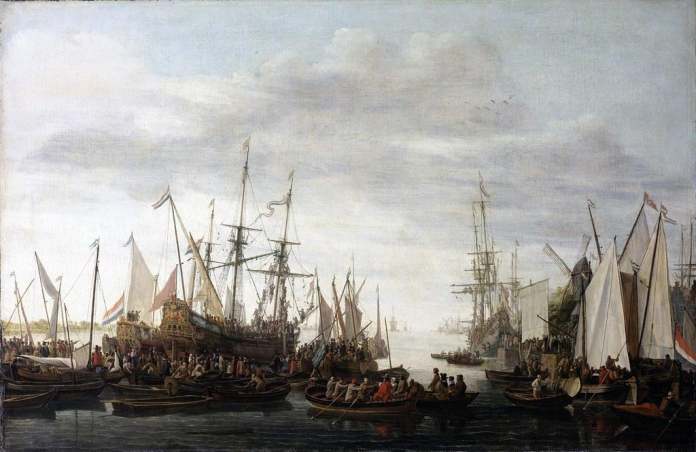
Have you ever heard the term “keelhauled” and wondered what it really means? Well, let me take you back to the age of piracy, where the stakes were high, and the punishment was even higher. Picture a ship sailing through treacherous waters, and a crew member committing a grave offense. Now, imagine being dragged beneath the ship’s hull, enduring the terrifying and torturous punishment known as keelhauling. As we delve into the history of this brutal practice, prepare to be shocked and captivated by the gruesome tales of maritime justice.
Table of Contents
- The Brutal Practice of Keelhauling: A Terrifying Tradition Revealed
- Surviving Keelhauling: Unbelievable Tales of Endurance and Resilience
- The Gruesome Details of Keelhauling: A Harrowing Experience
- Uncovering the Truth About Keelhauling: Myths vs. Reality
- The Haunting Legacy of Keelhauling: Lessons to Learn from a Dark Past
- Q&A
- Key Takeaways
The Brutal Practice of Keelhauling: A Terrifying Tradition Revealed
Have you ever heard of the brutal maritime punishment known as keelhauling? It is a terrifying tradition that was once practiced aboard ships, and its history is both fascinating and horrifying. Keelhauling was a severe form of punishment reserved for the most heinous crimes committed at sea, and the tales of its implementation are enough to send shivers down anyone’s spine. Let’s delve into the gruesome details of this unimaginable practice.
Imagine being tied to a rope and dragged under a ship’s hull, with barnacles and sharp edges scraping against your body as you are pulled from one side of the ship to the other. This is exactly what keelhauling entailed, and it was often a death sentence for those unfortunate enough to be subjected to it. The practice was employed as a punishment for offenses such as mutiny, theft, and other serious crimes, and it instilled fear and obedience among sailors. The thought of being keelhauled was enough to deter many from engaging in unlawful behavior, making it one of the most feared consequences on the high seas.
Surviving Keelhauling: Unbelievable Tales of Endurance and Resilience
Keelhauling, the brutal punishment of dragging a sailor under a ship’s hull, is a practice steeped in maritime history, evoking tales of endurance and resilience. Surviving such an ordeal was nothing short of miraculous, and the stories of those who managed to endure are as captivating as they are unbelievable.
One such tale is that of John Dean, a sailor in the Royal Navy who faced keelhauling in the early 18th century. Forced to endure being dragged under the ship’s hull, Dean emerged battered and bloodied, but alive. His incredible resilience and will to survive is a testament to the human spirit in the face of unimaginable adversity. Another remarkable account is that of Maria Montoya, a Spanish sailor who defied the odds and survived keelhauling in the 19th century. Her unwavering determination and strength in the face of such a brutal punishment is nothing short of awe-inspiring.
These tales of survival against all odds serve as a reminder of the indomitable human spirit and the incredible feats of endurance that can be achieved in the face of unimaginable hardship. The stories of those who survived keelhauling are a testament to the resilience of the human soul, and their remarkable endurance continues to captivate and inspire to this day.
The Gruesome Details of Keelhauling: A Harrowing Experience
Keelhauling is a form of punishment practiced by sailors in the 17th and 18th centuries, and it is nothing short of harrowing. The gruesome details of this punishment are enough to send shivers down anyone’s spine. The process involved tying a rope around the victim’s body and dragging them under the ship’s hull, essentially scraping them along the barnacle-covered wood, often leading to severe injury or even death. The thought of being subjected to such a punishment is enough to make anyone grateful for living in the modern era.
Imagine being tied up and thrown overboard, only to be dragged underwater while the ship’s sharp barnacles tear into your flesh. The terror and agony experienced by those subjected to keelhauling are beyond comprehension. The mere thought of the sheer brutality of this punishment is enough to make anyone appreciate the progress that has been made in human rights and humane treatment.
Keelhauling was often used as a punishment for sailors who had committed serious offenses onboard a ship. The fear of being keelhauled was enough to keep many sailors in line, as the consequences were too dreadful to even contemplate. This form of punishment serves as a sobering reminder of the harsh realities of life at sea in centuries past.
Uncovering the Truth About Keelhauling: Myths vs. Reality
Keelhauling is a practice often associated with ruthless pirate crews of the past. It’s a method of punishment that is often shrouded in mystery and surrounded by tales of brutality and horror. In this post, we are going to uncover the truth about keelhauling and separate fact from fiction. As we delve into the myths and reality of this historical practice, prepare to be surprised by what you learn.
One common myth about keelhauling is that it was a form of execution used by pirates to punish those who disobeyed their orders. However, the reality is that keelhauling was actually a punishment for sailors in certain naval fleets, particularly in the Dutch and British navies. It was used as a disciplinary measure for sailors who committed serious offenses, such as mutiny or theft. The practice involved dragging the offender under the keel of the ship, causing severe injury or death in some cases.
The Haunting Legacy of Keelhauling: Lessons to Learn from a Dark Past
Keelhauling is a dark and haunting practice from the past, commonly associated with maritime history and naval punishment. It was a method of punishment that was prevalent during the Age of Sail, where sailors were tied to a rope that was looped beneath the ship and dragged from one side to the other. This brutal punishment often resulted in severe injuries, and in many cases, death. The legacy of keelhauling serves as a grim reminder of the cruelty and brutality that was once commonplace in the maritime world.
The lessons we can learn from the haunting legacy of keelhauling are crucial for understanding the darker aspects of history and human nature. By examining the practice of keelhauling, we can gain valuable insights into the following:
- The importance of empathy and compassion in leadership
- The need for fair and just treatment of others, especially in positions of power
- The impact of historical practices on modern society and the importance of learning from the past
As we reflect on the dark history of keelhauling, it is essential to remember the suffering and injustice that occurred. By acknowledging this dark past, we can work towards building a more equitable and just future for all.
Q&A
Q: What is the origin of the word “keelhaul”?
A: “Keelhaul” is a term that originates from the 17th century Dutch word “kielhalen,” which literally means “to drag under the keel.”
Q: What was the purpose of keelhauling?
A: Keelhauling was a brutal punishment used by sailors to discipline crew members who disobeyed orders or committed crimes onboard a ship.
Q: How was keelhauling carried out?
A: The unlucky offender would be tied to a rope that ran underneath the ship and then dragged under the hull from one side to the other. This would often lead to severe injuries, and in many cases, it was fatal.
Q: What was the significance of being keelhauled?
A: Being keelhauled was a terrifying prospect for sailors, as it was a punishment that was both physically and psychologically torturous. It served as a harsh deterrent for anyone thinking of breaking the rules at sea.
Q: Is keelhauling still practiced today?
A: Keelhauling is no longer practiced as a form of punishment, as it is considered inhumane and barbaric. However, the term is still used in nautical contexts to describe severe punishment or reprimand.
Key Takeaways
As I sit here and ponder the gruesome fate of those unlucky souls who were keelhauled, I can’t help but feel a shiver run down my spine. The thought of being tied to a rope and dragged underneath a ship, enduring agony and torture, is enough to make anyone’s blood turn cold. The practice of keelhauling may be a thing of the past, but the terror it instilled lives on in the chilling tales of the sea. And as we sail into the unknown waters ahead, it serves as a haunting reminder of the brutal and unforgiving nature of the sea. So, as we bid adieu to this grim tale, let it serve as a warning to all who dare to set sail on the open ocean – the depths hold secrets and terrors that mere mortals can only imagine. And with that, I bid you goodnight and fair winds on your journeys. But beware, for the ghosts of the keelhauled may still haunt the waves.


