


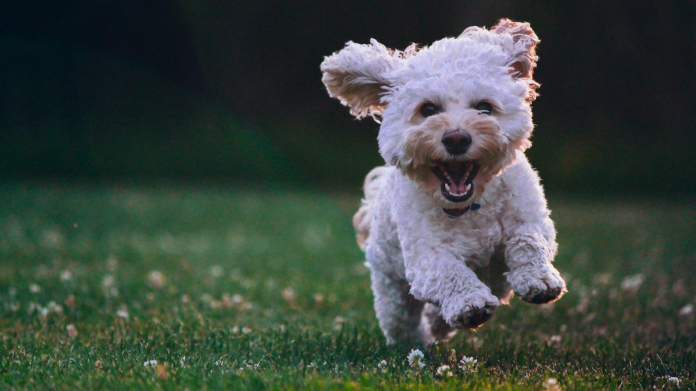
Dogs have earned the title of “man’s best friend” for their loyal and loving nature. One of the endearing traits that makes them so beloved is their seemingly constant state of happiness, often exhibited through what appears to be a smile. But why do dogs look like they’re smiling? Understanding the reasons behind this facial expression can shed light on the complex and fascinating world of canine behavior and communication. In this article, we will delve into the science and psychology behind why dogs seem to be grinning, and explore the various factors that contribute to their seemingly joyful countenance.
Table of Contents
- The Anatomy of a “Dog Smile”: Understanding Facial Expressions in Canines
- The Role of Domestication and Evolution in Canine Facial Features
- Exploring the Science Behind Canine Emotions and Expressions
- Tips for Interpreting Your Dog’s Smiling Behavior
- Understanding the Difference Between a “Dog Smile” and Aggression: Key Signs to Look for
- Q&A
- Final Thoughts
The Anatomy of a “Dog Smile”: Understanding Facial Expressions in Canines
Understanding Your Dog’s Facial Expressions
When your dog looks at you and appears to be smiling, it might not always be a smile in the way humans understand it. Dogs have their own way of expressing emotions through their facial expressions, and it’s important for dog owners to understand the subtle cues that can help them better communicate with their furry friends. Here’s a closer look at the anatomy of a “dog smile” and what it really means.
The “Smile”: When a dog lifts the corners of its mouth and shows its teeth, it might not necessarily be a sign of happiness or joy. This expression can also indicate fear, anxiety, or even aggression. Pay attention to the overall body language of your dog to determine the true meaning behind the “smile.” Factors such as the position of the ears, body posture, and tail movement can help you interpret their emotions accurately.
The Role of Domestication and Evolution in Canine Facial Features
Dogs’ facial features have evolved over thousands of years due to a combination of domestication and natural selection. The process of domestication, which began around 15,000 years ago, played a significant role in shaping canine facial features. As humans began to selectively breed dogs for specific traits, such as friendliness and sociability, certain facial features, including the shape of the mouth and eyes, began to change.
Furthermore, evolution has also played a role in the development of dogs’ facial expressions. As dogs became more integrated into human society, they adapted their facial features to communicate with humans more effectively. This is why many dogs appear to be “smiling” – their facial muscles and structure have evolved to mimic human expressions of happiness and contentment.
Exploring the Science Behind Canine Emotions and Expressions
Dogs are known for their wide range of facial expressions, often including what appears to be a smile. But do dogs really smile, and what emotions are they expressing when they make this expression?
Research has shown that when a dog appears to be “smiling,” they are actually exhibiting a relaxed and content facial expression. This expression is often accompanied by the dog’s body language, including a wagging tail and relaxed posture, indicating that they are feeling happy and at ease. Dogs use this “smiling” expression as a way to communicate their positive emotions to humans and other dogs, and it is often a sign that they are enjoying themselves and feeling comfortable in their environment.
When a dog appears to be smiling, they may also be experiencing a release of endorphins, which are the brain’s “feel-good” chemicals. This further supports the idea that dogs display this expression when they are feeling calm and content. It’s important to note that while this “smiling” expression can be a sign of happiness, it’s essential to pay attention to the dog’s overall body language and behavior to accurately interpret their emotions.
Tips for Interpreting Your Dog’s Smiling Behavior
One of the most heartwarming sights for any dog owner is the sight of their beloved pet seemingly smiling at them. But are dogs really capable of expressing happiness in this way? The answer is a bit complex, as dogs’ “smiling” behavior can actually indicate a variety of emotions and intentions. Here are some :
1. Facial Expressions: When a dog appears to be smiling, it could actually be a result of other facial expressions that mimic a human smile. For example, a relaxed open mouth and soft, relaxed eyes can give the illusion of a smile in dogs. However, it’s important to consider the context and other body language signals to accurately interpret their emotions.
2. Body Language: Pay attention to your dog’s overall body language when they seem to be smiling. Are they wagging their tail, bouncing around, or exhibiting other playful behaviors? These can all be signs of happiness and contentment. On the other hand, if your dog appears stiff, tense, or is showing signs of aggression, their “smile” may actually be a warning signal.
3. Context and Environment: Consider the situation in which your dog is smiling. Are they receiving affection, treats, or engaging in play? These can all be reasons for a dog to look like they’re smiling. Understanding the context and environment can give insight into the reasons behind your dog’s apparent smile.
In conclusion, while a dog’s smiling behavior can be heartwarming, it’s essential to consider various aspects such as facial expressions, body language, and the environment to accurately interpret their emotions. By paying close attention to these cues, you can better understand and strengthen the bond with your furry companion.
Understanding the Difference Between a “Dog Smile” and Aggression: Key Signs to Look for
When a dog appears to be “smiling,” it can often be misinterpreted as a sign of happiness. However, it’s essential to understand the key differences between a dog smile and aggression to ensure the safety of both the dog and those around it. Here are some key signs to look for:
Relaxed body language: A dog that is genuinely smiling will typically exhibit relaxed body language. This includes a loose and wiggly body, with a wagging tail and ears positioned naturally.
Open mouth: A dog’s “smile” is often characterized by an open mouth, which can give the appearance of a smile. However, it’s important to note that baring teeth along with tense facial muscles can signal aggression, so it’s crucial to observe the overall body language of the dog.
Eye contact: When a dog is genuinely smiling, it will often make soft eye contact, with relaxed and gentle eyes. On the other hand, aggressive behavior is often accompanied by hard, intense stares.
| Smiling Dog | Aggressive Behavior |
| Relaxed body language | Tense body and facial muscles |
| Open mouth with relaxed facial muscles | Bared teeth with tense facial muscles |
| Soft, gentle eye contact | Hard, intense stares |
By understanding these key differences, dog owners and those interacting with dogs can better interpret their behavior and respond appropriately, ensuring a safe and positive experience for everyone involved.
Q&A
Q: Why do dogs look like they’re smiling?
A: Dogs often appear to be smiling due to their anatomy. The shape of their mouths and the position of their lips can make it seem like they are smiling, especially when their tongue is lolling out and their eyes have a bright, alert expression. This can give the appearance of a happy, contented dog.
Q: Can dogs actually smile?
A: While dogs do not have the same facial muscles as humans that enable them to express emotions in the same way, they can still convey happiness and contentment through their body language and facial expressions. When a dog is relaxed, their mouth might take on a shape that resembles a smile, but it’s important to remember that it’s not the same as a human smile.
Q: What are the signs of a happy dog?
A: A dog that is happy will often have a relaxed body, with their ears in a natural position and their eyes bright and alert. They might wag their tail, have a loose, wiggly body posture, and might even “smile” by pulling their lips back in what looks like a grin.
Q: Are there any other reasons why dogs might appear to be smiling?
A: Sometimes, a dog’s facial expression may be the result of their breed characteristics. Breeds like the Labrador Retriever and Golden Retriever, for example, often have a natural droop to their lips that can give the appearance of a smile. Additionally, a dog may look like they are smiling when they are panting or cooling down, as their lips are pulled back to allow for better airflow.
Q: How can we tell if a dog is actually smiling or happy?
A: It’s important to consider the context and the dog’s overall body language. A wagging tail, loose and wiggly body movements, bright and relaxed eyes, and a relaxed mouth are all signs that a dog is happy or content. Understanding a dog’s individual personality and what makes them comfortable and at ease can also help in determining their overall emotional state.
Final Thoughts
In conclusion, the concept of dogs appearing to smile can be attributed to a combination of facial anatomy and social behavior. The slight curvature of a dog’s lips, coupled with the natural inclination to mimic human emotions, can create an illusion of a smile. Additionally, the comfort and contentment that dogs often exhibit in the presence of their human companions can also contribute to this perception.
Understanding the reasons behind a dog’s seemingly smiling expression can help enhance our bond with these beloved animals. Whether it’s a genuine display of happiness or simply a result of their facial structure, the sight of a “smiling” dog can bring joy and warmth to our lives. Embracing and appreciating these subtle nuances in their behavior can deepen our connection with these loyal and loving creatures.
So next time you see a dog with a “smile” on its face, remember that it may be their way of showing contentment and affection towards you. And perhaps, it’s a gentle reminder for us to reciprocate that love and care in return.


