


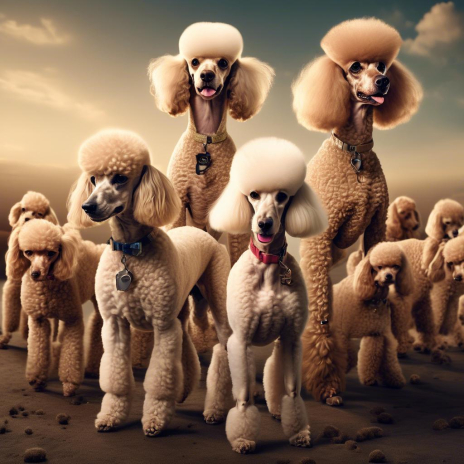
Poodles are well-known for their distinctive appearance and high intelligence, but many may not be familiar with their original purpose for being bred. Developed in Germany and France, poodles were originally bred as working dogs rather than simply as a fashionable pet. Their unique blend of athleticism, trainability, and natural instincts allowed them to excel in a variety of roles, making them a versatile and highly valued breed. In this article, we will explore the history and purpose of poodles, shedding light on what they were bred to do and how their innate abilities have shaped their reputation as an exceptional canine companion.
Table of Contents
- Origin of Poodles and Their Original Purpose
- Varieties of Poodles and Their Specializations
- Skills and Traits of Poodles for Their Purpose
- Training and Utilizing Poodles for Their Original Job
- Maintenance and Grooming for Poodles to Excel in Their Role
- Health Considerations for Poodles in Their Working Capacity
- Modern Adaptations of Poodles’ Original Purpose
- Q&A
- The Conclusion
Origin of Poodles and Their Original Purpose
Poodles, known for their distinctive curly coats and keen intelligence, have a fascinating origin that dates back several centuries. The breed originated in Germany, where they were originally bred as water retrievers. Their unique coat and webbed feet made them ideal for retrieving waterfowl, and their exceptional swimming abilities allowed them to excel in this role. Poodles were specifically bred for their hunting and retrieving skills, making them well-suited for a variety of tasks in the water.
These intelligent and talented dogs were also used as truffle hunters due to their exceptional sense of smell and agility. Their ability to navigate through dense forests and locate truffles made them highly prized for this purpose. Poodles were also utilized as circus performers, thanks to their trainability and natural flair for performance. Their history as working dogs and performers has contributed to their reputation as highly versatile and multi-talented dogs. Today, poodles are known for their companionship and loyalty, but their original purpose as skilled working dogs should not be overlooked. As versatile as they are, poodles were bred for specific tasks and excel in a variety of roles.
Varieties of Poodles and Their Specializations
Poodles are an incredibly versatile and intelligent breed, known for their curly coat and distinctive appearance. There are several varieties of poodles, each with its own specialization and unique traits. Understanding the different types of poodles and their specific roles can help prospective poodle owners choose the right fit for their lifestyle and needs.
-
Standard Poodles: These are the largest of the poodle varieties and are known for their elegance and athleticism. Standard poodles were originally bred for water retrieving and are highly skilled swimmers. They are also prized for their intelligence and are often utilized as therapy dogs, search and rescue dogs, and assistance dogs for people with disabilities.
-
Miniature Poodles: As the name suggests, miniature poodles are smaller in size compared to their standard counterparts. They were initially bred as companions and were also used for truffle hunting due to their keen sense of smell. Miniature poodles are adaptable and excel in dog sports such as agility and obedience trials.
-
Toy Poodles: Toy poodles are the smallest variety of poodles and were bred as companions and pets for the nobility in the past. They are known for their affectionate nature and make excellent therapy dogs. Toy poodles are also popular in competitive dog shows due to their grace and charm.
In conclusion, poodles are not just a pretty face – each variety has its own set of skills and specializations that make them valuable assets in various roles, from family pets to working dogs. Whether you are looking for a loyal companion, an agile competitor in dog sports, or a reliable therapy dog, there is a poodle variety that fits the bill. Understanding the unique traits of each poodle type can help prospective owners make an informed decision when adding a poodle to their family.
Skills and Traits of Poodles for Their Purpose
Poodles, known for their intelligence, agility, and hypoallergenic coats, were originally bred as water retrievers. Their purpose was to assist hunters in retrieving waterfowl, making them excellent swimmers. Their skills and traits were carefully selected to serve this specific purpose, resulting in a unique set of characteristics that set them apart from other breeds.
One of the key skills of poodles for their purpose is their exceptional swimming ability. Their webbed feet and water-resistant coat make them well-suited for retrieving game from the water. Additionally, poodles are known for their high level of intelligence, which allowed them to quickly learn and execute complex commands while assisting hunters. Their agility and athleticism also played a crucial role in maneuvering through water and rough terrain to retrieve fallen birds.
Furthermore, poodles possess a gentle and obedient nature, making them well-suited for working closely with humans. Their alert and active disposition, combined with their strong retrieving instincts, made them reliable and efficient hunting companions. These unique skills and traits have contributed to the poodle’s success as a versatile and capable working dog throughout history.
Training and Utilizing Poodles for Their Original Job
Poodles are a remarkable breed known for their intelligence, agility, and versatility. Originally bred as water retrievers, poodles were trained to retrieve waterfowl for hunters. Their unique coat, which is hypoallergenic and waterproof, was particularly suitable for this task. In addition to their original job as water retrievers, poodles were also used in truffle hunting due to their exceptional sense of smell and agility.
Today, poodles are still being utilized for their original job in various ways. They are often trained for competitive obedience trials, agility competitions, and as service and therapy dogs. Poodles excel as working dogs due to their high level of trainability and eagerness to please. Their intelligence and willingness to learn make them highly adaptable to a wide range of tasks, making them suitable for a variety of working roles.
When considering , it is important to recognize and appreciate their unique abilities. Whether it’s in the field as skilled retrievers or in modern-day roles such as therapy and service work, poodles continue to showcase their remarkable traits and make a valuable contribution to various industries and settings.
Maintenance and Grooming for Poodles to Excel in Their Role
As a highly intelligent and trainable breed, poodles are known for excelling in a variety of roles, from being a loyal family pet to a skilled working dog. However, to ensure that poodles excel in their role, it is essential to prioritize maintenance and grooming. This not only helps in keeping them healthy and happy, but also enhances their ability to perform their designated tasks effectively.
Grooming plays a vital role in maintaining the poodle’s distinctive appearance and preventing matting and tangling of their curly coat. Regular grooming also helps in keeping their skin healthy and free from irritants. This involves brushing their coat multiple times a week, as well as regular bathing and trimming. Additionally, maintaining good dental hygiene, such as regular teeth brushing, is crucial for their overall well-being.
Furthermore, maintaining poodles to excel in their role requires regular exercise and mental stimulation. This breed is known for its high energy levels and intelligence, so providing them with activities that cater to both aspects is essential. Activities such as agility training, obedience training, and interactive puzzles can help keep poodles physically fit and mentally sharp. Moreover, ensuring a balanced diet and regular visits to the veterinarian are crucial for their optimal health and performance.
Health Considerations for Poodles in Their Working Capacity
Poodles are a breed that is often associated with elegance and style, thanks to their distinct appearance and popularity in dog shows. However, their history as a working dog breed is often overlooked. Poodles were originally bred to be water retrievers, specifically for duck hunting. Their name actually comes from the German word “Pudel” which means “to splash in water”. Because of this background, poodles possess certain health considerations that are important to keep in mind, especially if they are being utilized in their working capacity.
One of the primary is joint health. Poodles are highly active and agile dogs, which puts a lot of strain on their joints, particularly their hips and knees. This can lead to issues such as hip dysplasia and patellar luxation. Proper exercise and weight management are essential for maintaining healthy joints in poodles. Owners should also be mindful of the surfaces on which their poodles are working, as uneven or hard terrain can exacerbate joint problems.
Another important health consideration for working poodles is their coat and skin health. Poodles have a unique coat that requires regular grooming and maintenance. If they are working in water or brushy environments, their coat can easily become matted and potentially harbor bacteria and parasites. Regular grooming, including brushing and trimming, is necessary to prevent skin issues and maintain overall coat health. Additionally, proper hygiene practices, such as regular baths, can help prevent skin infections and keep the poodle comfortable and healthy.
Modern Adaptations of Poodles’ Original Purpose
When most people think of poodles, they often picture the elegant and stylish dogs that participate in dog shows. However, many are unaware of the poodle’s original purpose. These intelligent and versatile dogs were originally bred for practical working purposes, such as retrieving game in water, making them excellent hunting companions. Over time, poodles have adapted to modern roles while still maintaining their original instincts and abilities.
One modern adaptation of poodles’ original purpose is their role as therapy and service dogs. Due to their high intelligence and hypoallergenic coat, poodles are well-suited for working with individuals who have special needs. Whether it’s providing emotional support to those with anxiety or assisting individuals with physical disabilities, poodles excel in their role as loyal and empathetic companions. Their ability to learn quickly and adapt to different environments makes them invaluable assets in various therapy programs and service organizations.
In addition to their work as therapy and service dogs, poodles have also found success in dog sports and competitions. From agility and obedience trials to rally and tracking events, poodles consistently showcase their athleticism, intelligence, and teamwork. Their agility, grace, and ability to follow commands make them stand out in these competitive settings. Whether it’s jumping through hoops or navigating obstacle courses, poodles continue to demonstrate their versatility and adaptability, proving that they are more than just a pretty face in the show ring.
- Therapy and service dogs
- Versatility in dog sports and competitions
Q&A
Q: What are poodles bred to do?
A: Poodles were originally bred as water retrievers, specifically for retrieving waterfowl for hunters.
Q: What are the different sizes of poodles bred for?
A: Poodles come in three different sizes: standard, miniature, and toy. Standard poodles were originally bred for retrieving waterfowl, while miniature and toy poodles were bred as companions.
Q: What are the specific characteristics that make poodles well-suited for their original purpose?
A: Poodles have a dense, curly coat that helps repel water and keep them warm in cold water. They also have a keen intelligence and strong retrieval instinct, making them excellent hunting companions.
Q: Are poodles good family pets?
A: Yes, poodles are known for their intelligence, loyalty, and affectionate nature, making them great family pets. They are also hypoallergenic, which can be beneficial for those with allergies.
Q: Do poodles require a lot of grooming?
A: Yes, poodles have a curly coat that requires regular grooming to prevent matting and maintain their appearance. This can be time-consuming and may require professional grooming to keep their coat in good condition.
Q: Are poodles easy to train?
A: Poodles are highly intelligent and eager to please, which makes them relatively easy to train. They excel in obedience and agility training, and thrive on mental stimulation.
Q: Can poodles be used as therapy or service dogs?
A: Yes, poodles are often used as therapy and service dogs due to their intelligence, trainability, and calm demeanor. They can be trained to assist individuals with disabilities or provide emotional support to those in need.
Q: Are there any health concerns associated with poodles?
A: Poodles are generally a healthy breed, but they are prone to certain genetic health conditions such as hip dysplasia, progressive retinal atrophy, and certain skin conditions. Regular veterinary check-ups and responsible breeding practices can help mitigate these risks.
The Conclusion
In conclusion, poodles were originally bred as water retrievers and have since been used for a variety of tasks, including hunting, circus performing, and companionship. Their intelligence, trainability, and hypoallergenic coat make them versatile and highly sought after dogs. Whether serving as working dogs or beloved pets, poodles continue to showcase their exceptional skills and affectionate nature. Understanding their original purpose helps to appreciate the unique traits and abilities of these remarkable canines. As one of the most popular dog breeds in the world, poodles continue to play an important role in various aspects of human life, embodying the perfect combination of beauty, brains, and brawn.


