


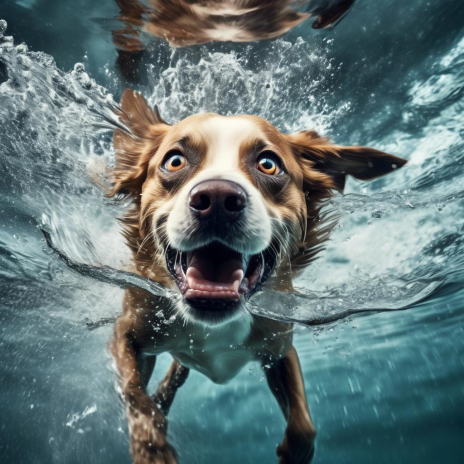
Swimming is a natural instinct for many animals, including dogs. They possess an innate ability to navigate through water effortlessly and with grace. Many dog owners wonder just how fast their furry companions can swim. In this article, we will delve into the world of canine swimmers and explore the factors that play a role in determining their swimming speed. From breed characteristics to environmental conditions, we will seek to understand the limits and capabilities of a dog’s swimming abilities. Join us as we uncover the fascinating world of canine athleticism in the water.
Table of Contents
- Factors Affecting a Dog’s Swimming Speed
- Physical Characteristics That Impact a Dog’s Swimming Ability
- Breeds Known for Exceptional Swimming Skills
- Training Techniques to Improve a Dog’s Swimming Speed
- Understanding the Importance of Safety Measures for Dog Swimming
- Tips for Assessing a Dog’s Swimming Speed and Abilities
- Expert Advice on Choosing the Right Body of Water for Dog Swimming
- Q&A
- Insights and Conclusions
Factors Affecting a Dog’s Swimming Speed
When it comes to a dog’s swimming speed, several factors come into play, influencing how fast they can move in the water. These factors can impact a dog’s ability to navigate through water and reach their destination quickly. Understanding these factors can provide insight into a dog’s swimming capabilities and help owners better support their pets in aquatic activities. Here are some key :
**Breeds:** Different dog breeds have varying levels of swimming proficiency. Some breeds, like Labrador Retrievers and Newfoundlands, are well-known for their natural swimming abilities and are often used in water rescue operations. On the other hand, breeds with short legs and barrel-shaped bodies may not be as efficient swimmers.
**Muscle Mass:** The muscle mass of a dog can significantly impact their swimming speed. Dogs with well-developed muscles, particularly in the legs and chest, are likely to be faster and more powerful swimmers compared to those with less muscle mass. The strength and agility of a dog’s muscles play a crucial role in propelling them through the water.
**Coat Type:** The type of coat a dog has can affect their buoyancy and drag in the water. Breeds with dense, water-repellent coats, such as the Newfoundland, are naturally buoyant and experience minimal drag when swimming. In contrast, dogs with long, thick fur may struggle in the water due to the added weight and resistance. Furthermore, the coat’s ability to retain water can affect a dog’s overall speed and endurance in the water.
**Overall Fitness:** A dog’s overall fitness level, including cardiovascular endurance and stamina, can impact their swimming speed. Dogs that are in good shape and regularly engage in physical activity are likely to have better swimming capabilities compared to those with lower fitness levels. Additionally, a healthy weight and proper muscle tone contribute to a dog’s agility and speed in the water.
In conclusion, a dog’s swimming speed is influenced by a combination of factors, including breed, muscle mass, coat type, and overall fitness level. By considering these factors, owners can better understand their dog’s swimming abilities and make informed decisions when engaging in water-related activities with their pets.
Physical Characteristics That Impact a Dog’s Swimming Ability
When it comes to a dog’s ability to swim, various physical characteristics play a significant role in determining their proficiency in the water. One of the most critical factors is the breed of the dog. Some breeds are naturally better swimmers due to their physical build and instincts, while others may struggle to stay afloat. Dogs with webbed feet, a strong tail, and a streamlined body shape are often better equipped for swimming. Breeds like Labrador Retrievers, Newfoundlands, and Portuguese Water Dogs are known for their excellent swimming abilities due to these physical traits. On the other hand, breeds with short legs or heavy bodies, such as Bulldogs or Pugs, may find swimming more challenging.
Another key physical characteristic that impacts a dog’s swimming ability is their muscle strength and overall fitness level. Dogs with well-developed muscles, especially in their hindquarters, have more power and endurance to propel themselves through the water. Additionally, a strong cardiovascular system enables a dog to maintain their stamina while swimming, allowing them to cover longer distances at a faster pace. As with humans, a dog’s swimming ability can significantly improve with regular exercise and conditioning, which helps build their strength and endurance for water activities. Dogs that are overweight or have health conditions that affect their muscle strength and stamina may struggle to swim effectively.
In conclusion, a dog’s swimming ability is greatly influenced by their physical characteristics, including their breed, body shape, muscle strength, and overall fitness level. Understanding these factors can help dog owners assess their pet’s suitability for swimming and take appropriate precautions to ensure their safety in the water. Whether it’s for leisurely swims or water-based activities, recognizing these physical traits can help determine the right approach to introducing a dog to swimming and optimizing their experience in the water.
| Breed | Swimming Ability |
| Labrador Retriever | Excellent |
| Pug | Challenging |
| Newfoundland | Excellent |
Breeds Known for Exceptional Swimming Skills
There are several dog breeds known for their exceptional swimming skills. These breeds are naturally inclined to water activities, making them great companions for water sport enthusiasts and outdoor adventurers. From their webbed feet to their muscular build, these dogs are built for speed and agility in the water.
One of the most well-known breeds for exceptional swimming skills is the Labrador Retriever. Labradors have a water-resistant coat and a strong tail that makes them incredibly efficient swimmers. Their enthusiasm for water and innate retrieving instincts also make them excellent companions for activities such as dock diving and waterfowl hunting. Another breed with exceptional swimming skills is the Newfoundland. Known for their massive size and powerful build, Newfoundlands are natural swimmers with a natural instinct to rescue in water. Their webbed feet and water-resistant coat make them well-suited for long distance swimming and water rescue activities.
When it comes to the speed at which a dog can swim, it largely depends on the breed and individual ability. However, some dog breeds are known for their impressive swimming speed. For example, the Portuguese Water Dog is known for its remarkable speed and endurance in the water. Their muscular build and strong paddling abilities allow them to reach remarkable speeds when swimming. Additionally, the American Water Spaniel is known for its agility and speed in water activities, making it a top choice for activities such as dock diving and waterfowl hunting. As with any athletic ability, the speed at which a dog can swim also depends on their training, conditioning, and natural talent.
Training Techniques to Improve a Dog’s Swimming Speed
There are several training techniques that can be used to improve a dog’s swimming speed. One effective method is to incorporate interval training into the dog’s swimming routine. This involves alternating between periods of high-intensity swimming and periods of rest. By gradually increasing the length of the high-intensity intervals, the dog’s swimming speed and endurance can be significantly improved.
Another training technique that can help improve a dog’s swimming speed is the use of resistance training. This can be achieved by having the dog swim with a resistance harness or by incorporating resistance exercises, such as swimming against a current. This type of training helps to build the dog’s muscles and increase their power and strength, ultimately leading to faster swimming speeds.
Additionally, teaching the dog proper swimming form can also contribute to improved swimming speed. This can be accomplished through the use of specific swimming drills and exercises that focus on proper body positioning and stroke technique. By mastering these fundamentals, the dog can swim more efficiently and with greater speed.
In summary, when it comes to improving a dog’s swimming speed, incorporating interval training, resistance training, and focusing on proper swimming form can all contribute to significant improvements. By implementing these training techniques, dog owners can help their pets become stronger, faster swimmers.
Understanding the Importance of Safety Measures for Dog Swimming
When it comes to , one of the key factors to consider is the speed at which a dog can swim. It is crucial for dog owners to oversee their pet’s safety when it comes to swimming, as dogs, much like humans, can tire out or encounter dangerous situations in the water. By understanding how fast a dog can swim, we can better equip ourselves with the knowledge needed to keep our furry friends safe during water activities.
So, how fast can a dog swim? This can vary depending on the breed and size of the dog. On average, most dogs can swim at a speed of around 5-10 miles per hour. However, some breeds, such as Labrador Retrievers and Newfoundland dogs, are exceptional swimmers and can reach speeds of up to 12 miles per hour. Understanding the swimming capabilities of your specific dog breed is important, as it will help you gauge their endurance and ensure that you do not push them beyond their limits.
- Provide adequate supervision: Always keep a close eye on your dog when they are swimming, especially in open bodies of water.
- Invest in a life jacket: Even if your dog is a strong swimmer, a life jacket can provide an extra layer of safety and buoyancy.
- Teach proper swimming techniques: If your dog is not a confident swimmer, take the time to teach them how to enter and exit the water safely.
Tips for Assessing a Dog’s Swimming Speed and Abilities
Assessing a dog’s swimming speed and abilities can be a fun and informative way to understand your pet’s natural instincts and athleticism. There are several factors to consider when determining how fast a dog can swim and what they are capable of in the water. Here are some tips to help you assess your dog’s swimming speed and abilities:
**Observe Their Natural Instincts**: Dogs have varying swimming abilities based on their breed and individual characteristics. Observe how comfortable your dog is in the water and whether they seem to enjoy swimming. Some breeds, such as Labrador Retrievers, are known for their natural affinity for water, while others may need more encouragement to swim.
**Assess Their Speed and Endurance**: Take note of how fast your dog can swim across a body of water and how long they can sustain their speed. Some dogs may be built for short bursts of speed in the water, while others may have more endurance for longer swims.
**Consider Their Physical Build**: The physical build of a dog can also impact their swimming abilities. For example, dogs with large, muscular bodies may have more power and strength in the water, while smaller or less muscular dogs may have a lighter, more agile swimming style.
When assessing your dog’s swimming speed and abilities, it’s important to remember that not all dogs are natural swimmers, and some may need extra training and guidance to become comfortable in the water. Always prioritize your dog’s safety and well-being when introducing them to swimming activities.
Expert Advice on Choosing the Right Body of Water for Dog Swimming
When it comes to a dog’s swimming abilities, there are a few factors to consider, such as breed, size, and natural instincts. While some dogs are natural swimmers and can easily navigate through water, others may need some assistance and guidance. It’s important to keep in mind that not all bodies of water are suitable for dog swimming, so it’s crucial to choose the right one to ensure your furry friend’s safety and enjoyment.
One important aspect to consider when choosing the right body of water for dog swimming is the current. Dogs, like humans, can be affected by strong currents, which can make it difficult for them to swim and stay above water. Opt for calm, slow-moving bodies of water such as lakes, ponds, or gentle rivers to ensure a safe swimming experience for your dog.
In addition to the current, it’s essential to consider the water’s cleanliness and safety. Look for bodies of water that are free from pollutants, toxins, and potential hazards such as sharp rocks or debris. Keep in mind that certain bodies of water may contain algae or bacteria that can be harmful to dogs if ingested, so always do your research and choose a safe and clean swimming environment for your furry companion. Remember that not all dogs are natural swimmers, so it’s important to introduce them to the water slowly and provide them with the necessary support and guidance to ensure a positive swimming experience.
Q&A
Q: How fast can a dog swim?
A: The speed at which a dog can swim depends on various factors including the breed, size, and physical condition of the individual dog. On average, dogs can swim at a speed of 4-6 miles per hour.
Q: What breeds of dogs are known for their exceptional swimming abilities?
A: Some dog breeds are known to be exceptional swimmers due to their physical attributes and natural instincts. Breeds such as Labrador Retrievers, Golden Retrievers, Newfoundland, and Portuguese Water Dogs are known for their strong swimming abilities.
Q: Can all dogs swim?
A: While most dogs are capable of swimming to some extent, not all dogs are naturally good swimmers. Breeds with short legs, heavy bodies, or brachycephalic skulls may struggle in the water. It’s important to consider a dog’s physical capabilities and comfort level in the water before allowing them to swim.
Q: Are there any safety considerations to keep in mind when allowing a dog to swim?
A: Safety is paramount when it comes to allowing dogs to swim. Always supervise your dog around water, use a doggy life jacket if necessary, and be mindful of water conditions such as strong currents or rough waves. Additionally, ensure that your dog is familiar with the water and is not experiencing any physical discomfort or fear.
Q: Can swimming be beneficial for a dog’s physical health?
A: Swimming can be an excellent form of exercise for dogs, as it provides a low-impact workout that is gentle on the joints and muscles. It can also improve cardiovascular health, muscle tone, and overall physical fitness. However, it’s important to gradually introduce a dog to swimming and to monitor their behavior and physical condition during and after swimming sessions.
Insights and Conclusions
In conclusion, the speed at which a dog can swim can vary depending on various factors such as breed, size, and physical condition. While some dogs may have a natural aptitude for swimming and can reach impressive speeds, others may struggle and paddle at a slower pace. It is important for dog owners to be mindful of their pet’s limitations and to always prioritize their safety when introducing them to swimming activities. With proper training and supervision, many dogs can become strong and confident swimmers, enjoying the benefits of this stimulating and enjoyable form of exercise. Understanding the capabilities of your dog and providing them with appropriate support and encouragement will allow them to make the most of their swimming abilities. Ultimately, with patience and practice, many dogs can become skilled and swift swimmers, making the most of their natural instincts and agility in the water.


