


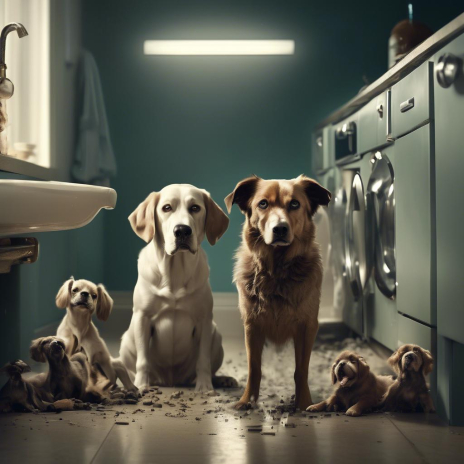
There has long been a debate about the cleanliness of our canine companions in comparison to humans. While many people believe that dogs are inherently dirty animals, others argue that they are actually cleaner than humans in some respects. In this article, we will delve into the facts and myths surrounding the cleanliness of dogs and humans, exploring various factors that contribute to each species’ cleanliness and hygiene practices. By examining scientific research and common beliefs, we aim to provide a comprehensive understanding of whether dogs are indeed cleaner than humans.
Table of Contents
- Dogs’ natural cleaning mechanisms
- Comparison of bacteria and germs
- The role of grooming and hygiene habits
- Human and dog living environments: impact on cleanliness
- Recommended hygiene practices for dog owners
- Potential health risks of dog cleanliness
- Influence of diet on cleanliness
- Expert opinions on the topic
- Q&A
- To Wrap It Up
Dogs’ natural cleaning mechanisms
Dogs have a variety of natural cleaning mechanisms that make them surprisingly hygienic animals. While they may not shower or use soap like humans, dogs have several built-in ways to keep themselves clean. One of the most well-known natural cleaning mechanisms is their licking behavior. Dogs are known for licking themselves to remove dirt, debris, and even bacteria from their fur. This self-grooming behavior not only helps to keep their coats clean but also serves as a form of relaxation and stress relief for them.
In addition to licking, dogs also have an efficient shedding process that helps to remove old, dead hair from their coats. This shedding not only keeps their fur looking tidy but also helps to get rid of any dirt or allergens that may be trapped in their fur. Furthermore, dogs have a knack for rolling around in the grass or dirt, which serves as a way for them to clean and massage their skin naturally. This behavior helps to remove dead skin cells and any irritants that may be stuck in their coats. Overall, provide them with a level of cleanliness that rivals that of humans, albeit in a different way.
Some key natural cleaning mechanisms of dogs include:
- Licking behavior to remove dirt, debris, and bacteria from their fur
- Efficient shedding process to get rid of old, dead hair and allergens
- Rolling around in grass or dirt to clean and massage their skin
It’s important to recognize and appreciate the natural cleaning abilities of dogs, as it highlights their unique adaptations for maintaining hygiene. While dogs may not follow the same hygiene practices as humans, their natural cleaning mechanisms are highly effective in keeping them clean and healthy.
Comparison of bacteria and germs
When it comes to the , it’s essential to understand the difference between the two. Bacteria are single-celled microorganisms that can be found almost anywhere, and while some can cause illness, many bacteria are harmless and even beneficial. On the other hand, germs are a broader term that encompasses bacteria, viruses, fungi, and protozoa, and can also include harmful microorganisms that can cause disease. Therefore, when discussing cleanliness, it’s essential to consider the presence of both bacteria and germs in our environments.
One area of comparison that often arises is whether dogs are cleaner than humans. It’s a common misconception that a dog’s mouth is cleaner than a human’s. While it’s true that a dog’s mouth contains different types of bacteria than a human’s, it’s not necessarily cleaner. Dogs explore the world with their mouths, and they can carry harmful bacteria and germs from various surfaces they come into contact with. Additionally, dogs can pick up bacteria and germs from outdoor environments, which can then be transferred to humans through close contact. Although humans and dogs have different microbiomes, it’s essential to maintain good hygiene practices for both.
Key Points to Consider:
- Bacteria are single-celled microorganisms, while germs encompass a broader range of microorganisms.
- Dogs are not necessarily cleaner than humans, as they can carry harmful bacteria and germs from various surfaces and outdoor environments.
- Good hygiene practices are essential for both humans and dogs to minimize the spread of harmful bacteria and germs.
| Type of Microorganism | Description |
|---|---|
| Bacteria | Single-celled microorganisms that can be harmless or harmful. |
| Germs | Includes bacteria, viruses, fungi, and protozoa, and can cause disease. |
The role of grooming and hygiene habits
When it comes to the age-old debate of whether dogs are cleaner than humans, grooming and hygiene habits play a significant role. While it’s true that dogs have an instinctual inclination towards hygiene, it’s important to note that their natural behaviors don’t necessarily make them cleaner than humans.
First and foremost, dogs groom themselves by licking their fur, which can sometimes lead to the transfer of dirt and bacteria from their paws or the environment. Additionally, they also require regular baths and nail trims to maintain optimal cleanliness. On the other hand, humans have a more sophisticated approach to hygiene, including daily showers, oral care, and regular hand washing, which are essential to prevent the spread of germs and diseases.
- Grooming Habits: Dogs groom themselves by licking, while humans have a more extensive grooming routine.
- Hygiene Practices: Humans have advanced hygiene practices, including regular bathing and oral care.
- Cleanliness Comparison: While dogs have natural instincts for grooming, humans’ advanced hygiene practices make them cleaner overall.
Human and dog living environments: impact on cleanliness
When it comes to cleanliness, humans and dogs have different living environments that can impact their overall cleanliness. While both humans and dogs have the potential to be clean, there are certain factors that can influence the level of cleanliness in their living environments. In this post, we will explore the impact of human and dog living environments on cleanliness, and discuss whether dogs are cleaner than humans.
Human Living Environments:
- Humans typically live in indoor environments with various types of flooring such as carpet, hardwood, or tile.
- Regular cleaning and maintenance of living spaces is necessary to ensure a high level of cleanliness.
- Humans have a variety of personal hygiene practices that contribute to their overall cleanliness.
Dog Living Environments:
- Dogs often spend time both indoors and outdoors, which can expose them to dirt, mud, and other outdoor elements.
- Regular grooming and bathing are important for maintaining a dog’s cleanliness.
- The cleanliness of a dog’s living environment is influenced by the diligence of their owners in cleaning up after them and maintaining a hygienic living space.
It is important to recognize that cleanliness is subjective and can vary between humans and dogs depending on their living environments and level of care. Whether dogs are cleaner than humans ultimately depends on the specific circumstances of each individual and their commitment to maintaining a clean living environment.
Recommended hygiene practices for dog owners
When it comes to hygiene practices for dog owners, it’s important to consider whether dogs are cleaner than humans. While dogs have their own natural cleanliness and grooming behaviors, it’s essential for owners to implement recommended hygiene practices to ensure the health and well-being of both their pets and themselves.
:
- Regular Bathing: Giving your dog regular baths with pet-safe shampoo can help remove dirt, bacteria, and odors from their fur, promoting a clean and healthy coat.
- Dental Care: Just like humans, dogs require dental care to prevent plaque, tartar, and bad breath. Brushing your dog’s teeth regularly and providing dental chews can contribute to their oral hygiene.
- Grooming: Keeping your dog’s nails trimmed, fur brushed, and ears cleaned can help prevent matting, infections, and discomfort.
It’s important to note that dogs have their own natural cleanliness habits, such as licking themselves to clean their fur. However, these practices may not be enough to maintain overall hygiene, especially when it comes to preventing the spread of bacteria and parasites in the home environment. By following recommended hygiene practices, dog owners can ensure a clean and safe living space for both themselves and their beloved pets.
Potential health risks of dog cleanliness
When it comes to the cleanliness of dogs, there are potential health risks that dog owners need to be aware of. Despite the common belief that dogs are cleaner than humans, there are certain aspects of dog cleanliness that can pose health risks for both the pet and their owners.
One of the is the presence of bacteria and parasites. Dogs can carry a variety of bacteria such as E. coli and Salmonella, which can be transmitted to humans through contact with the dog’s saliva, fur, or feces. In addition to bacteria, dogs can also be hosts to parasites such as ticks, fleas, and worms, which can cause a range of health issues for both the dog and the humans in their environment. Another aspect of dog cleanliness that can pose a health risk is the accumulation of dirt, allergens, and dander on their fur, which can trigger allergic reactions and respiratory issues in humans.
Influence of diet on cleanliness
The is a topic that has been heavily debated, especially when it comes to comparing the cleanliness of dogs and humans. Many pet owners believe that dogs are cleaner than humans, attributing this belief to the natural diet of dogs. However, it is important to understand that the concept of cleanliness is subjective and can be influenced by a variety of factors, including diet.
When it comes to diet, dogs are known for their carnivorous nature, which leads to a diet rich in animal proteins and fats. This diet provides dogs with essential nutrients and promotes overall health, including coat and skin health. A healthy coat and skin contribute to a dog’s physical appearance, leading many to believe that dogs are inherently cleaner than humans. Additionally, a balanced diet can also support a dog’s immune system, helping them to fight off infections and maintain optimal health.
On the other hand, humans consume a more diverse diet that includes a combination of animal and plant-based foods. While this diet provides humans with essential nutrients, it can also lead to a variety of health issues if not balanced properly. Poor dietary choices can result in skin problems, oily hair, bad breath, and body odor, which can contribute to the perception that humans are less clean than dogs. However, personal hygiene habits and access to sanitation facilities also play a significant role in determining cleanliness for both dogs and humans.
In summary, the is a complex topic that cannot be simply attributed to one factor alone. While a dog’s diet may contribute to their physical appearance and overall health, it is important to consider additional factors such as hygiene practices and access to sanitation facilities when comparing the cleanliness of dogs and humans.
Expert opinions on the topic
Experts in the field have differing opinions on whether dogs are cleaner than humans. While some argue that dogs have a natural tendency to groom themselves and maintain good hygiene, others believe that humans have the upper hand in terms of cleanliness.
Proponents of the notion that dogs are cleaner than humans point to the fact that dogs instinctively clean themselves by licking their fur and paws. They also argue that dogs have a stronger immune system and are less susceptible to certain bacteria and viruses, making them inherently cleaner than humans. Additionally, dogs do not produce body odor to the extent that humans do, which further supports the claim that they are cleaner animals.
On the other hand, those who argue that humans are cleaner than dogs emphasize the fact that humans have access to better hygiene products and practices. Humans have the ability to bathe regularly, use soap and shampoo, and maintain a higher level of personal cleanliness. Furthermore, humans can control their environments and living spaces to a greater degree, reducing the likelihood of exposure to dirt and germs.
In conclusion, the debate over whether dogs are cleaner than humans is ongoing and largely depends on individual perspectives and criteria for cleanliness. Ultimately, both dogs and humans have their own unique ways of maintaining hygiene, and the comparison between the two may not be entirely straightforward.
Q&A
Q: Are dogs cleaner than humans?
A: The cleanliness of dogs compared to humans is a debated topic. While dogs have self-cleaning mechanisms such as licking themselves, humans have more advanced hygiene practices.
Q: Do dogs have natural cleaning mechanisms?
A: Yes, dogs have natural cleaning mechanisms such as licking themselves to remove dirt and debris from their fur. They also have oil glands in their skin that help keep their coats clean and glossy.
Q: How do dogs groom themselves?
A: Dogs groom themselves by licking their fur and paws. This not only removes dirt and debris but also helps distribute their natural oils throughout their coat for a healthy sheen.
Q: Can dogs spread bacteria and germs?
A: Yes, dogs can spread bacteria and germs through their saliva, fur, and paws. This is why regular grooming and hygiene practices for dogs, such as bathing and brushing, are important for preventing the spread of germs.
Q: Are humans cleaner than dogs?
A: Humans have more advanced hygiene practices such as regular bathing, grooming, and handwashing, which are not typically practiced by dogs. This can make humans cleaner in terms of personal hygiene.
Q: How can humans and dogs coexist in a clean environment?
A: Coexisting in a clean environment with dogs involves maintaining a regular grooming and hygiene routine for the dogs, such as bathing, brushing, and keeping their living spaces clean. Additionally, practicing good hygiene habits as a human, such as handwashing and cleaning up after pets, can help maintain a clean environment for both species.
To Wrap It Up
In conclusion, the debate over whether dogs are cleaner than humans is a complex and multifaceted issue. While it is true that dogs have certain natural advantages in terms of grooming and self-cleaning, they also have their own unique set of hygiene challenges. It is important to remember that personal hygiene practices vary greatly among individuals and pet owners, and generalizations should be approached with caution.
It is essential for both humans and their canine companions to maintain good hygiene habits, including regular grooming, bathing, and dental care. Ensuring a clean living environment and proper sanitation measures are also crucial for the well-being of both species. Ultimately, maintaining a clean and healthy lifestyle is a responsibility shared by both humans and dogs, and it is important to approach this topic with an open mind and a commitment to promoting the health and well-being of all members of our households.


