


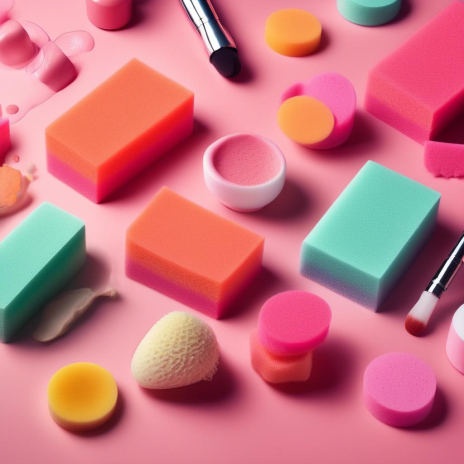
As the demand for flawless application of makeup continues to rise, so does the importance of maintaining clean makeup tools. Makeup sponges, in particular, are known for their ability to seamlessly blend and buff products for a flawless finish. However, the buildup of makeup, oil, and bacteria on these sponges can lead to skin irritations, breakouts, and an overall compromised makeup application. In this article, we will explore the frequency at which makeup sponges should be cleaned to ensure optimal performance and hygiene.
Table of Contents
- How Often Should You Clean Your Makeup Sponges
- The Importance of Cleaning Makeup Sponges Regularly
- Signs That Indicate It’s Time to Clean Your Makeup Sponges
- Recommended Cleaning Routines for Makeup Sponges
- Best Practices for Maintaining Clean Makeup Sponges
- The Impact of Unclean Makeup Sponges on Skin Health
- Q&A
- In Retrospect
How Often Should You Clean Your Makeup Sponges
Makeup sponges are an essential tool in every makeup lover’s kit, but they can also be a breeding ground for bacteria if not cleaned regularly. So, to ensure they are free from harmful germs and bacteria? The general recommendation is to clean your makeup sponges after every use, but realistically, we know that might not always be feasible. Here’s a breakdown of how often you should clean your makeup sponges to keep them in top condition:
-
After Every Use: Ideally, you should clean your makeup sponges after every use to prevent the buildup of makeup, oil, and bacteria. This will help to maintain the performance of your sponges and keep them hygienic for safe use on your skin.
-
At Least Once a Week: If cleaning your makeup sponges after every use seems like a daunting task, aim to give them a thorough cleaning at least once a week. This will help to prevent bacteria from accumulating and ensure that your sponges stay in good condition.
-
When They Look or Smell Dirty: If you notice that your makeup sponges are looking visibly dirty or have a lingering makeup scent, it’s time to give them a good wash. Ignoring signs of dirt and buildup can lead to skin irritations and breakouts, so make it a point to clean your sponges when they start to show signs of wear.
By following these guidelines for cleaning your makeup sponges, you can keep them in optimum condition for flawless makeup application while also maintaining good skin hygiene. Remember, the more often you use your makeup sponges, the more frequently you should clean them to prevent any skin issues.
The Importance of Cleaning Makeup Sponges Regularly
Makeup sponges are essential tools for achieving a flawless makeup application. However, they can also become breeding grounds for bacteria, dirt, and oil if not cleaned regularly. This can lead to skin irritation, breakouts, and even infections. Therefore, it is crucial to clean your makeup sponges on a regular basis to maintain the health of your skin and the effectiveness of your makeup.
Here are a few reasons why cleaning your makeup sponges regularly is essential:
- Prevention of Breakouts: Dirty makeup sponges can transfer bacteria and oil to your skin, leading to clogged pores and breakouts. Regular cleaning helps to prevent these issues and keep your skin clear.
- Improved Makeup Application: A clean makeup sponge allows for smoother and more even makeup application. It ensures that your makeup products blend seamlessly, giving you a natural and radiant finish.
- Longevity of the Sponge: Cleaning your makeup sponge regularly helps to prolong its lifespan. Without proper maintenance, sponges can become stiff, discolored, and less effective over time.
Signs That Indicate It’s Time to Clean Your Makeup Sponges
Makeup sponges are an essential tool in every makeup lover’s kit, helping to achieve a flawless, airbrushed finish. However, like any beauty tool, makeup sponges require regular cleaning to maintain their effectiveness and prevent the buildup of bacteria and germs. Here are some :
1. **Decreased Performance:** If your makeup sponge is not blending your products as seamlessly as it used to, it may be a sign that it’s clogged with old makeup and needs a thorough cleaning.
2. **Visible Stains:** Stains from previous makeup applications are a clear indication that your sponge needs cleaning. These stains can harbor bacteria and mold, which can be harmful to your skin.
3. **Unpleasant Odor:** A musty or sour smell emanating from your makeup sponge is a telltale sign that it’s overdue for a cleaning. This odor is a result of the buildup of bacteria and other impurities.
Regularly cleaning your makeup sponges not only ensures that they perform optimally but also helps in preventing breakouts and skin irritation. It’s recommended to clean your makeup sponges at least once a week to maintain their hygiene and performance.
Recommended Cleaning Routines for Makeup Sponges
Makeup sponges are an essential tool for achieving a flawless makeup application, but they can also harbor bacteria if not cleaned regularly. So, how often should you clean your makeup sponges? The general recommendation is to clean your makeup sponges after every use to prevent the buildup of product residue, oil, and bacteria. However, if you use your sponges infrequently, you can clean them once a week to ensure they stay hygienic.
When it comes to cleaning your makeup sponges, there are several recommended routines to keep them in top condition. One popular method is to use a gentle, fragrance-free soap or cleanser to wash the sponge thoroughly. You can also use a specialized makeup sponge cleanser for an extra-deep clean. Additionally, using warm water can help to break down stubborn makeup residue. After washing, make sure to rinse the sponge thoroughly to remove any leftover soap or cleanser. For an extra level of cleanliness, you can also sanitize your makeup sponges by soaking them in a mixture of water and vinegar for a few minutes.
In conclusion, keeping your makeup sponges clean is crucial for maintaining healthy skin and getting the most out of your makeup application. By following these recommended cleaning routines, you can ensure that your makeup sponges remain free from bacteria and product buildup, allowing you to achieve a flawless makeup look every time. With proper care and regular cleaning, your makeup sponges can last longer and provide you with the best results.
Best Practices for Maintaining Clean Makeup Sponges
Maintaining clean makeup sponges is essential for achieving flawless and hygienic makeup application. But how often should you clean your makeup sponges? The answer varies depending on how frequently you use them. However, as a general rule of thumb, it is recommended to clean your makeup sponges at least once a week to prevent the buildup of bacteria, dirt, and oils.
To effectively maintain clean makeup sponges, follow these best practices:
- Use a gentle cleanser: Opt for a mild, fragrance-free liquid soap or a specialized makeup sponge cleanser to avoid any skin irritation or damage to the sponge.
- Thoroughly rinse: After applying the cleanser, make sure to thoroughly rinse the makeup sponge under running water until the water runs clear. This will ensure that all the makeup, dirt, and cleanser residue are removed from the sponge.
- Air dry: Allow the makeup sponge to air dry completely before using it again. Avoid using a hairdryer or exposing it to direct sunlight, as this can cause damage to the sponge material.
By following these best practices and cleaning your makeup sponges regularly, you can maintain a clean and sanitary makeup application, free from skin issues and breakouts. It is essential to prioritize hygiene to keep your skin healthy and your makeup tools in top condition.
The Impact of Unclean Makeup Sponges on Skin Health
can be significant, leading to a range of skin issues including breakouts, irritation, and even infections. When makeup sponges are not cleaned regularly, they can accumulate bacteria, oil, and dead skin cells, which can then be transferred to the skin during makeup application. This can clog pores, leading to acne breakouts and other skin issues. Additionally, using unclean makeup sponges can also exacerbate existing skin conditions such as eczema or rosacea, as the bacteria and debris on the sponge can irritate the skin.
Regular cleaning of makeup sponges is essential for maintaining skin health. Experts recommend cleaning makeup sponges at least once a week, but for those with acne-prone or sensitive skin, it may be necessary to clean them more frequently. Proper cleaning involves using a gentle soap or cleanser, warm water, and thorough rinsing to ensure that all residue is removed. Additionally, allowing the sponges to air dry completely before using them again is crucial in preventing bacterial growth. By incorporating regular cleaning into your beauty routine, you can help reduce the risk of skin issues caused by unclean makeup sponges and maintain healthier, clearer skin.
Benefits of Clean Makeup Sponges:
- Prevents bacterial buildup on the skin
- Reduces the risk of acne breakouts and irritation
- Maintains clearer, healthier skin
- Extends the lifespan of your makeup sponges
How to Clean Makeup Sponges:
- Wet the sponge with warm water
- Apply a gentle cleanser or soap and lather the sponge
- Rinse thoroughly with warm water
- Squeeze out any excess water and allow the sponge to air dry completely before use
Q&A
Q: How often should makeup sponges be cleaned?
A: Makeup sponges should be cleaned at least once a week, or after each use if heavily soiled.
Q: Why is it important to clean makeup sponges regularly?
A: Regular cleaning helps to prevent the buildup of bacteria, dirt, and oils on the sponge, which can lead to skin irritation and breakouts.
Q: What is the best method for cleaning makeup sponges?
A: The best method for cleaning makeup sponges is to use a gentle, oil-based cleanser or brush cleaner, and to rinse the sponge thoroughly with warm water.
Q: Are there any specific cleaning products that are recommended for makeup sponges?
A: Yes, there are specific sponge cleansers and brush cleansers that are designed to effectively clean and sanitize makeup sponges.
Q: What are the consequences of not cleaning makeup sponges regularly?
A: Neglecting to clean makeup sponges regularly can result in the transfer of bacteria and oils to the skin, leading to breakouts, infections, and other skin issues.
Q: Are there any additional tips for maintaining clean makeup sponges?
A: It is recommended to air dry makeup sponges thoroughly after cleaning and to store them in a clean, dry environment to prevent the growth of bacteria. Additionally, replacing makeup sponges every 3 to 4 months is also advised.
In Retrospect
In conclusion, keeping your makeup sponges clean is not only essential for maintaining their performance, but also for the health and safety of your skin. Regularly cleaning your makeup sponges will prevent the buildup of bacteria and help you achieve a flawless makeup application every time. By following the recommended cleaning frequency and using the proper cleaning techniques, you can ensure that your makeup sponges remain in top condition and contribute to your overall skincare routine. Thank you for reading, and remember to prioritize cleanliness and hygiene in your makeup application.


