


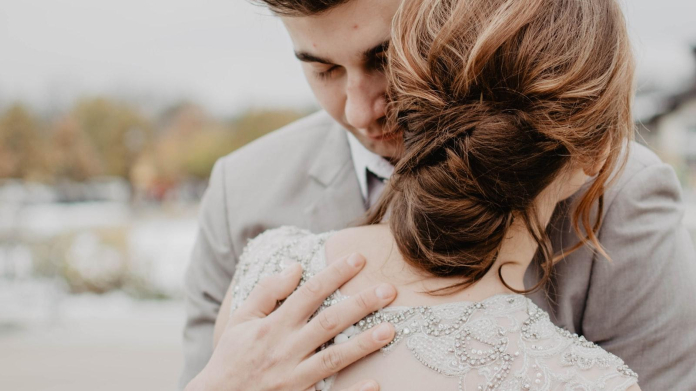
As I stood at the altar, surrounded by the beauty of nature and the love of two people, I felt both honored and nervous to be the one officiating their wedding. It was a role I had never taken on before, but as I looked into the eyes of the couple before me, I knew that I had the power to make their marriage ceremony truly special. If you’ve ever thought about becoming an officiant for a wedding, let me guide you through the process and share with you the emotional journey of uniting two souls in love.
Table of Contents
- – Understanding the Role of an Officiant
- – Creating a Meaningful Ceremony Script
- – Managing Ceremony Logistics and Rehearsal
- – Connecting with the Couple on a Personal Level
- – Navigating Legal Requirements and Paperwork
- Q&A
- Final Thoughts
– Understanding the Role of an Officiant
An officiant plays a crucial role in a wedding ceremony, as they are the ones responsible for leading the proceedings and ensuring that the vows are exchanged smoothly. It is a deeply emotional and significant moment for the couple, and the officiant is there to help create a meaningful and memorable experience for everyone involved. As an officiant, you have the opportunity to guide the couple through their commitment to each other, and it’s a privilege to be entrusted with such an important role.
To be an effective officiant, it’s essential to understand the responsibilities that come with the role. From crafting a personalized script to leading the ceremony with confidence and warmth, there are several key aspects to consider. **Here are some important factors to keep in mind when taking on the role of an officiant:**
– **Crafting the Script:** Work with the couple to create a script that reflects their personalities and the values they hold dear. This is an opportunity to share their love story and express their commitment to each other.
– **Guiding the Ceremony:** From cueing the music to directing the couple through their vows, the officiant plays a pivotal role in ensuring that the ceremony flows smoothly and that the couple feels supported and at ease.
As an officiant, you have the chance to deeply touch the hearts of the couple and their loved ones. By understanding the significance of your role and approaching it with care and respect, you can create a truly memorable and moving wedding ceremony for everyone involved.
– Creating a Meaningful Ceremony Script
Becoming an officiant for a wedding is a special and meaningful role that requires careful planning and consideration. One of the most important aspects of being an officiant is creating a ceremony script that reflects the values and beliefs of the couple, while also being personal and unique to their relationship. Here are some tips for creating a meaningful ceremony script that will leave a lasting impression on the couple and their guests.
First and foremost, it’s important to get to know the couple on a personal level. Spend time with them, ask them about their love story, their values, and what they want to convey in their ceremony. This will help you understand their unique relationship and create a script that truly reflects who they are as a couple. Additionally, consider incorporating personal anecdotes, readings, or rituals that are meaningful to the couple. This could be anything from a favorite poem or song lyrics to a special tradition that holds significance to the couple. By infusing these personal touches into the ceremony script, you’ll create a truly unique and memorable experience for the couple and their guests.
Ultimately, the key to creating a meaningful ceremony script is to approach it with genuine emotion, care, and respect for the couple. Keep in mind that this is a significant moment in the couple’s lives, and your words and guidance will have a lasting impact on their memories of their wedding day. By taking the time to craft a personalized and heartfelt ceremony script, you can help create a wedding ceremony that is both meaningful and unforgettable.
– Managing Ceremony Logistics and Rehearsal
As an officiant for a wedding, one of your key responsibilities is to ensure that the ceremony logistics and rehearsal run smoothly. This involves coordinating with the wedding planner, venue staff, and other vendors to make sure that everything is in place for the big day. The rehearsal is also an important time to go over the ceremony script, timing, and any special requests from the couple.
To manage ceremony logistics and rehearsal effectively, consider the following tips:
– **Communicate with the couple:** Make sure to have open communication with the couple to understand their vision for the ceremony. This will help you tailor the logistics and rehearsal to fit their needs and preferences.
– **Create a timeline:** Develop a detailed timeline for the ceremony and rehearsal, including the arrival of the wedding party, the order of events, and any special rituals or traditions. This will help keep everyone organized and on track.
– **Coordinate with vendors:** Reach out to the wedding planner, venue staff, and other vendors to ensure that everyone is on the same page regarding logistics and timing. This will help avoid any last-minute hiccups on the wedding day.
– Connecting with the Couple on a Personal Level
When officiating a wedding, it’s important to connect with the couple on a personal level in order to truly understand their love story and convey the emotions of the day. One of the best ways to do this is by scheduling a meeting with the couple to get to know them better. This meeting can be a casual coffee date or a more formal sit-down, but the goal is the same – to listen to their story, learn about their relationship, and understand their vision for the ceremony.
During this meeting, take the time to ask the couple meaningful questions that will help you connect with them on a deeper level. Inquire about how they met, what they love about each other, and what their hopes and dreams are for the future. By showing a genuine interest in their relationship and love story, you’ll be able to personalize the ceremony in a way that resonates with the couple and their guests. You can also ask them about any special traditions, cultural customs, or unique elements they want to incorporate into the ceremony, as this will help you tailor your approach to their specific needs and desires. Remember, the more personal the ceremony feels, the more memorable and meaningful it will be for the couple and their loved ones.
**Key Points to Consider:**
– Schedule a meeting with the couple to get to know them better.
– Ask meaningful questions about their love story and relationship.
– Inquire about any special traditions, cultural customs, or unique elements they want to incorporate into the ceremony.
– Navigating Legal Requirements and Paperwork
Being an officiant for a wedding is a fulfilling role that allows you to play a significant part in a couple’s special day. However, it’s essential to navigate the legal requirements and paperwork to ensure that the marriage is valid and legally binding. Here are some crucial steps to help you become an officiant and handle the necessary documentation with confidence and ease.
Before officiating a wedding, it’s important to check the legal requirements in the specific state or country where the ceremony will take place. Each location has its own rules and regulations for officiants, so be sure to familiarize yourself with the necessary paperwork and procedures. This may include obtaining a marriage license, registering as an officiant, or providing certain documentation to the relevant authorities. Make sure to research and understand the legal obligations to avoid any complications on the big day.
Next, consider the paperwork involved in officiating a wedding. This may include drafting a ceremony script, obtaining the couple’s marriage license, and filling out the marriage certificate after the ceremony. It’s crucial to ensure that all paperwork is completed accurately and submitted within the required time frame to legalize the marriage. **Remember, attention to detail is crucial when handling legal documentation for a wedding, and being organized and thorough can help ensure a smooth and successful ceremony.**
Legal Requirements and Paperwork Checklist:
| Research state or country-specific regulations for officiants |
| Obtain a marriage license for the couple |
| Register as an officiant if required |
| Draft a ceremony script |
| Submit the marriage certificate within the required time frame |
Q&A
Q: How did you become an officiant for weddings?
A: I became an officiant after going through the process of becoming ordained. It was a meaningful experience that allowed me to be a part of such a special moment in people’s lives.
Q: What inspired you to officiate weddings?
A: I was inspired to officiate weddings after attending a ceremony that was so beautiful and personal. I wanted to be able to provide that same experience for others.
Q: What qualities make a great officiant?
A: A great officiant is someone who is empathetic, organized, and able to connect with the couple. It’s important to be able to understand and articulate the couple’s love story in a way that is authentic and genuine.
Q: What is the most rewarding part of being an officiant for weddings?
A: The most rewarding part is being able to witness the love and commitment between two people and being a part of such an important moment in their lives. It’s an honor to be able to play a role in creating a beautiful and meaningful ceremony.
Q: What advice do you have for someone who wants to become an officiant?
A: My advice would be to take the time to really understand the responsibility that comes with being an officiant. It’s important to be prepared and committed to creating a ceremony that truly reflects the couple’s love and values.
Q: What is the most emotional moment you’ve experienced as an officiant?
A: The most emotional moment I’ve experienced was seeing the tears of joy and love between the couple as they exchanged their vows. It was a powerful reminder of the impact of love and the importance of the role I was playing in that moment.
Final Thoughts
Being an officiant for a wedding is a truly special and rewarding role. By taking on this responsibility, you have the opportunity to be a part of one of the most important and intimate moments in a couple’s life. It is a privilege to guide them through this journey and to witness their love and commitment to each other.
As you prepare to officiate a wedding, remember to approach the role with sincerity, warmth, and a deep sense of respect for the couple and their union. Your words and presence will have a lasting impact on their memories of this day, and it is a responsibility that should be taken to heart.
So, as you step into this sacred role, remember to speak from the heart, to infuse the ceremony with love and passion, and to honor the unique bond that the couple shares. Your efforts will help create a truly unforgettable and meaningful wedding ceremony.
Thank you for choosing to take on this important duty and for being a guiding light for the couple as they begin this new chapter in their lives. Embrace the love, the joy, and the beauty of this occasion, and know that your presence as their officiant will be cherished for years to come. Congratulations on embarking on this wonderful journey as an officiant for a wedding.


