


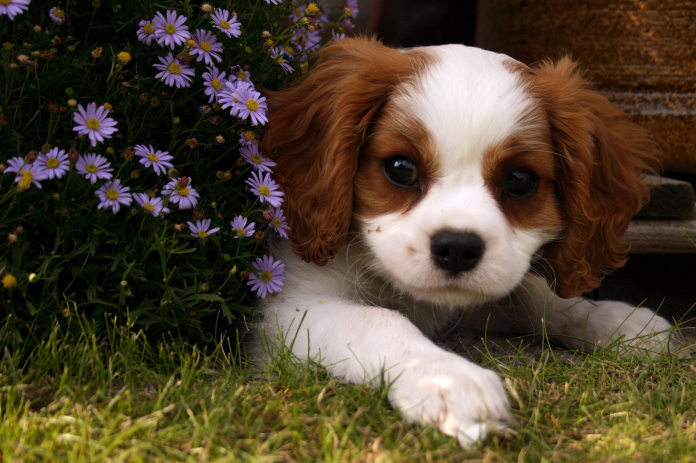
Dogs use their whiskers as sensory tools, providing them with crucial information about their surroundings. The question of whether or not it is acceptable to cut a dog’s whiskers has sparked much debate among pet owners and professionals. In this article, we will delve into the purpose of a dog’s whiskers, the potential consequences of cutting them, and address the common misconceptions surrounding this topic. By examining the role of whiskers in a dog’s life, we hope to provide a comprehensive understanding of the impact of trimming them and offer guidance for responsible pet care.
Table of Contents
- Potential Harm in Cutting Dog Whiskers
- The Purpose and Function of Dog Whiskers
- Risks and Consequences of Cutting Dog Whiskers
- Alternatives to Trimming Dog Whiskers
- Q&A
- To Wrap It Up
Potential Harm in Cutting Dog Whiskers
Dog whiskers are not just there for aesthetic purposes; they serve a vital function. Whiskers are touch-sensitive hairs that are deeply rooted in a dog’s skin and are connected to the nervous system. They help dogs navigate their surroundings and provide vital sensory information about their environment. Cutting a dog’s whiskers can potentially lead to discomfort, disorientation, and anxiety for the dog.
Dogs use their whiskers to sense changes in their environment, such as the proximity of objects, air currents, and even the moods of people around them. Whiskers also help dogs in certain activities like hunting, as they assist in measuring the size and distance of prey. Trimming a dog’s whiskers can negatively impact their ability to perform these tasks and may lead to stress and confusion for the animal.
The Purpose and Function of Dog Whiskers
Dog whiskers, also known as vibrissae, are much more than just cute hair protruding from your furry friend’s face. These specialized hairs serve an important purpose and function in helping dogs navigate their environment and understand the world around them. It’s crucial for dog owners to understand the significance of these whiskers and how they should be treated to ensure their pet’s well-being.
The Purpose of Dog Whiskers: Dog whiskers are highly sensitive tactile hairs that are deeply rooted in the underlying nervous system. They act as receptors to help dogs detect changes in their surroundings, including changes in air currents, objects in their path, and potential dangers. These whiskers also aid in a dog’s spatial awareness and can provide valuable information about the size and shape of objects near their face. In essence, dog whiskers are an essential sensory tool that helps dogs move through the world with confidence.
The Function of Dog Whiskers: Dog whiskers play a vital role in enhancing a dog’s sensory perception and overall well-being. Some of the key functions of dog whiskers include:
- Assisting in navigation and spatial awareness
- Helping dogs detect and avoid potential dangers
- Enhancing their ability to communicate with other animals
- Supporting their sense of balance and coordination
Risks and Consequences of Cutting Dog Whiskers
Whiskers are a vital sensory tool for dogs, and they serve several important purposes. Cutting a dog’s whiskers can have both short-term and long-term consequences. Here are some of the risks and potential consequences of cutting a dog’s whiskers:
- Impaired Spatial Awareness: Whiskers help dogs navigate their surroundings and determine if they can fit through tight spaces. Cutting their whiskers can lead to impaired spatial awareness and potentially result in the dog getting stuck or injured.
- Sensory Deprivation: Whiskers are rich in nerve endings and provide crucial sensory information to dogs. When their whiskers are cut, dogs may experience sensory deprivation, which can cause them to feel disoriented and anxious.
- Communication Issues: Dogs use their whiskers to communicate with other animals and humans. Trimming their whiskers can interfere with their ability to effectively convey emotions and intentions, potentially leading to misunderstandings and conflicts.
Overall, cutting a dog’s whiskers is not recommended due to the potential risks and consequences it poses to their well-being. It’s essential to prioritize the proper care and maintenance of a dog’s whiskers to ensure they can continue to benefit from this essential sensory tool.
Alternatives to Trimming Dog Whiskers
It is not recommended to cut a dog’s whiskers. Whiskers, also known as vibrissae, are a dog’s specialized hair that are deeply rooted in their face and are connected to nerve endings. These whiskers play a crucial role in helping dogs navigate their surroundings and understand spatial awareness. Cutting their whiskers can disorient and confuse them, leading to accidents and injuries.
Instead of cutting a dog’s whiskers, there are alternatives to manage and maintain their whiskers:
- Regular Grooming: Regularly grooming your dog’s face, including trimming any stray hairs around their whiskers, can help keep their whiskers clean and well-maintained without causing any harm.
- Consult a Professional Groomer: If you are unsure about how to manage your dog’s whiskers, it is best to consult a professional groomer who can provide guidance and assistance in caring for your dog’s whiskers without causing any harm.
- Provide Enrichment and Play: Engaging your dog in activities and play that stimulate their senses and spatial awareness can help keep their whiskers sharp and well-tuned, without the need for cutting them.
| Option | Description |
| Regular Grooming | Trimming stray hairs around the whiskers |
| Consult a Professional Groomer | Seeking professional advice for whisker care |
| Provide Enrichment and Play | Engage in activities to stimulate spatial awareness |
Q&A
Q: Can you cut a dog’s whiskers?
A: It is not recommended to cut a dog’s whiskers, as they play an important role in a dog’s sensory perception.
Q: Why are a dog’s whiskers important?
A: A dog’s whiskers, also known as vibrissae, are highly sensitive and help the dog navigate and understand its surroundings. They can detect changes in air currents and help the dog gauge the size and shape of objects in its environment.
Q: What happens if you cut a dog’s whiskers?
A: Cutting a dog’s whiskers can disorient and confuse the dog. It may have difficulty navigating and may be more prone to bumping into objects or feeling anxious in new environments.
Q: Are there any potential health risks associated with cutting a dog’s whiskers?
A: While cutting a dog’s whiskers is not known to cause direct health risks, it can lead to unnecessary stress and discomfort for the dog.
Q: Are there any circumstances where it may be acceptable to trim a dog’s whiskers?
A: In general, it is best to avoid trimming a dog’s whiskers. However, in certain medical situations where the whiskers pose a risk to the dog’s health, a veterinarian may recommend trimming them under sedation.
Q: How long do a dog’s whiskers typically grow?
A: A dog’s whiskers can grow to be as long as the width of its body, serving as an indicator of its spatial awareness and ability to navigate its surroundings.
Q: Should you consult a professional before considering trimming a dog’s whiskers?
A: Yes, it is always best to consult with a veterinarian or a professional groomer before making any decisions about trimming a dog’s whiskers. They can provide guidance based on the specific needs of the dog and any underlying health considerations.
To Wrap It Up
In conclusion, cutting a dog’s whiskers is never recommended. Whiskers are a crucial sensory tool for dogs, helping them navigate their environment and avoid potential hazards. Removing or trimming a dog’s whiskers can lead to disorientation, anxiety, and even potential injury.
It is important for dog owners to understand the significance of their pet’s whiskers and to refrain from any attempts to cut or trim them. The best way to care for a dog’s whiskers is to simply leave them untouched, allowing the dog to benefit from their natural function.
By prioritizing the well-being and comfort of our canine companions, we can ensure that they are able to fully experience and navigate the world around them. Let’s remember to respect our dogs’ natural instincts and preserve their whiskers as an essential part of their sensory toolkit.


