


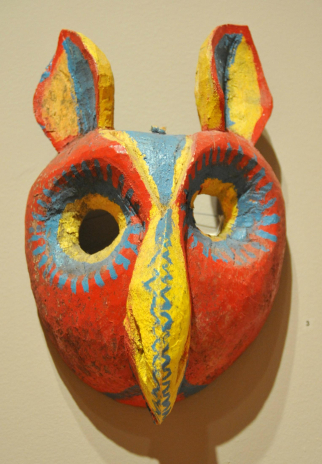
In the rural regions of Mexico, stories of mysterious and ominous creatures have been enduring for generations. Among these legends, the myth of the lechuza stands out as one of the most captivating and unsettling. Reputed to be a witch in the form of an owl, the lechuza is said to terrorize those who cross her path. In this article, we delve into the folklore and history surrounding the lechuza in Mexico, exploring the origins of the legend and the impact it continues to have on local communities. Join us as we unravel the spine-tingling tale of the lechuza and uncover the truth behind this enigmatic creature.
Table of Contents
- The Mystical Legend of the Lechuza in Mexico
- Origins and Cultural Significance of the Lechuza in Mexican Folklore
- Identifying Characteristics of the Lechuza: What to Look Out For
- Safety Precautions and Superstitions Surrounding Encounters with the Lechuza in Mexico
- Q&A
- In Retrospect
The Mystical Legend of the Lechuza in Mexico
The legend of the Lechuza, a mystical creature in Mexican folklore, has been passed down through generations, captivating the imaginations of locals and travelers alike. According to the legend, the Lechuza is a large bird that is said to embody the spirit of a witch. It is believed to have the ability to shape-shift and often appears as an owl, leading people to mistrust these creatures of the night.
In Mexican culture, the Lechuza is often associated with tales of warning and superstition. Many believe that encountering a Lechuza is a sign of impending danger or a bad omen. It is said that the eerie sound of its call is a forewarning of tragedy, and some even claim to have witnessed the Lechuza taking the form of a beautiful woman, luring unsuspecting victims to their demise. Despite the terrifying stories, the legend of the Lechuza continues to fascinate those who are drawn to mysterious and supernatural phenomena.
The enigmatic allure of the Lechuza has inspired countless stories, art, and even movies. Its presence in Mexican culture serves as a reminder of the enduring power of folklore and the enduring fascination with the unknown. Whether the legend of the Lechuza is rooted in truth or simply a product of imagination, its mystique continues to capture the curiosity of those who are intrigued by the supernatural. Embracing the rich tapestry of Mexican folklore, the legend of the Lechuza endures as a testament to the enduring power of myth and mystery.
Origins and Cultural Significance of the Lechuza in Mexican Folklore
The Lechuza, a creature from Mexican folklore, has a storied history and cultural significance in the country. This mythical being is believed to be a witch in the form of an owl, often depicted as a large and intimidating creature with glowing red eyes. Its origins can be traced back to pre-Hispanic times, where it was believed to be a symbol of death and bad omens. Over time, the legend of the Lechuza has evolved to include tales of its supernatural powers and its ability to shape-shift into a human form.
In Mexican folklore, the Lechuza is often associated with witchcraft and black magic. It is said that the creature preys on those who have wronged it, seeking revenge and causing harm to its victims. The superstition surrounding the Lechuza has led to various rituals and customs aimed at protection from its malevolent influence. Additionally, the legend of the Lechuza has been passed down through generations, becoming a prominent figure in the rich tapestry of Mexican cultural heritage.
Identifying Characteristics of the Lechuza: What to Look Out For
Lechuzas, also known as Mexican spotted owls, are fascinating creatures with distinct characteristics that set them apart from other owl species. If you’re out in the wild in Mexico and hoping to catch a glimpse of these elusive birds, it’s crucial to familiarize yourself with the identifying traits of the lechuza. Here’s what to look out for:
Distinctive Coloring: The lechuza boasts a unique appearance with its mottled brown and white feathers, which help them blend seamlessly into their natural surroundings. Their coloring is ideal for camouflaging in the dense forests and rocky terrain of Mexico.
Facial Disc: Like most owl species, the lechuza features a facial disc that aids in capturing sound and enhancing their exceptional hearing abilities. This circular arrangement of feathers around the face helps funnel sound towards the owl’s ears, allowing them to pinpoint the location of potential prey.
Large, Rounded Head: One of the defining characteristics of the lechuza is its large, rounded head. This physical trait contributes to their exceptional vision and depth perception, making them proficient hunters, especially in low-light conditions.
Silent Flight: Lechuzas are known for their near-silent flight, attributed to the specialized structure of their feathers and wings. This silent flight enables them to approach their prey stealthily and make quick, precise strikes.
By familiarizing yourself with these identifying characteristics, you’ll be better equipped to recognize and appreciate the majestic lechuza when exploring the diverse habitats of Mexico. Whether you’re an avid birdwatcher or simply have a passion for wildlife, spotting a lechuza in its natural habitat is a memorable experience to cherish.
Safety Precautions and Superstitions Surrounding Encounters with the Lechuza in Mexico
Lechuza, a mythical creature from Mexican folklore, is believed to possess supernatural powers and is associated with various superstitions. Many people believe that encountering a Lechuza can bring about bad luck or even lead to death. As such, there are several safety precautions and superstitions surrounding these encounters that have been passed down through generations.
One of the most common superstitions surrounding the Lechuza is that if you hear a high-pitched screeching sound at night, it is a sign that the creature is nearby. This belief has led many to take precautions such as carrying protective amulets or charms to ward off the Lechuza’s negative energy. Others believe that carrying salt or garlic can also provide protection from the creature.
In addition to these superstitions, there are also several safety precautions that people take when they believe they may be at risk of encountering a Lechuza. These precautions include staying indoors after dark, avoiding areas where the creature is said to be active, and refraining from making loud noises or upsetting the creature in any way. While these precautions may seem extreme to some, they are deeply ingrained in Mexican culture and are taken very seriously by those who believe in the power of the Lechuza.
Q&A
Q: What is a lechuza in Mexico?
A: In Mexico, a lechuza is a type of witch or supernatural being that is believed to take the form of a large, owl-like bird.
Q: What are some common beliefs about lechuzas in Mexican folklore?
A: In Mexican folklore, lechuzas are often associated with black magic, evil spells, and the ability to curse people. They are said to have the power to transform into humans and are often regarded as harbingers of death or bad luck.
Q: How do people protect themselves from lechuzas?
A: People in Mexico protect themselves from lechuzas by wearing red ribbons, placing brooms by their doors, or reciting prayers and incantations. Some also believe that hanging a horseshoe outside their home can ward off lechuzas.
Q: Are there any particular places in Mexico where lechuzas are said to be more common?
A: In Mexico, lechuzas are often associated with rural areas and small towns, particularly in the states of Veracruz, Oaxaca, and Puebla. However, beliefs in lechuzas can be found throughout the country.
Q: What do experts say about the existence of lechuzas?
A: While belief in lechuzas is deeply ingrained in Mexican folklore and culture, experts view them as mythical creatures with no scientific evidence supporting their existence. The folklore surrounding lechuzas is part of the rich tapestry of Mexican traditions and beliefs.
In Retrospect
In conclusion, the legend of the lechuza in Mexico has been a part of the country’s folklore for centuries, with stories passed down from generation to generation. While some may dismiss the tales as mere superstition, many still believe in the ominous presence of this mystical creature. Whether it’s a wise old owl or a harbinger of doom, the lechuza continues to captivate the imaginations of the Mexican people and serves as a reminder of the rich cultural heritage that is deeply ingrained in the country’s traditions. As we continue to explore and honor the myths and legends of Mexico, the legend of the lechuza will undoubtedly remain a haunting and enigmatic part of its narrative.


