


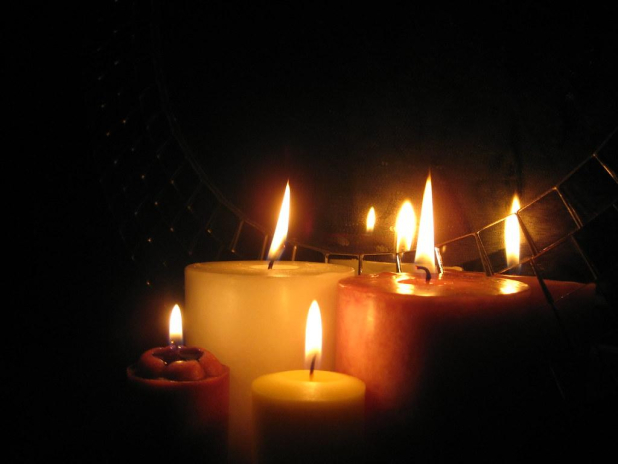
Candles are a popular item in many households, used for their aesthetic appeal and to create a cozy atmosphere. But have you ever wondered whether burning candles can produce harmful gases, such as carbon monoxide? In this article, we delve into the science behind candle combustion and explore whether lighting that scented candle could be impacting the air quality in your home.
Table of Contents
- Do Candles Actually Produce Carbon Monoxide?
- Understanding the Science Behind Candle Emissions
- Potential Risks of Burning Candles Indoors
- Recommendations for Safe Candle Use
- Q&A
- To Wrap It Up
Do Candles Actually Produce Carbon Monoxide?
There is a common misconception that burning candles can produce carbon monoxide, a colorless, odorless, and potentially harmful gas. However, the truth is that most candles do not produce a significant amount of carbon monoxide when burned properly.
It is important to note that the composition of the candle, the type of wax used, and the presence of any additives can all affect the amount of carbon monoxide produced during combustion. In general, candles made from paraffin wax, beeswax, or soy wax produce very low levels of carbon monoxide when burned indoors.
Understanding the Science Behind Candle Emissions
Many people enjoy the warm, ambient glow of a flickering candle. But have you ever wondered about the emissions that candles produce, specifically carbon monoxide? Let’s delve into the science behind candle emissions to better understand this topic.
While it’s true that burning candles do produce a small amount of carbon monoxide, the levels are generally considered to be safe for indoor use. The key is to ensure that the room is well-ventilated, as this will help to dissipate any emissions. Additionally, using high-quality, properly made candles can help to minimize the amount of carbon monoxide that is released. When burned in a well-ventilated area, candles should not pose a significant risk in terms of carbon monoxide exposure.
Potential Risks of Burning Candles Indoors
When burning candles indoors, it’s important to be aware of the potential risks they can pose. One common concern is whether candles produce carbon monoxide. Although it’s a common misconception, candles do not typically produce carbon monoxide. However, there are other potential risks associated with burning candles indoors that should be considered.
Some of the include:
- Inhaling toxic fumes from synthetic fragrance oils
- Potential fire hazard if left unattended
- Indoor air pollution from soot and other candle emissions
While candles may not produce carbon monoxide, it’s important to be mindful of these other potential risks to ensure a safe indoor environment.
Recommendations for Safe Candle Use
When using candles, it’s important to remember that they do produce a small amount of carbon monoxide. This is because when a candle burns, the flame consumes oxygen and produces carbon dioxide, water vapor, and small amounts of carbon monoxide. While the amount of carbon monoxide produced by a single candle is minimal, it’s still important to take some precautions to ensure safe use.
Here are some :
- Always use candles in a well-ventilated area. This will help to disperse any carbon monoxide produced by the candle.
- Avoid burning multiple candles in a small, enclosed space. This can increase the concentration of carbon monoxide in the air.
- Consider using soy or beeswax candles. These types of candles produce less soot and toxins compared to paraffin wax candles.
- Never leave a burning candle unattended. Always extinguish candles before leaving the room or going to bed.
| Use candles in a well-ventilated area |
| Avoid burning multiple candles in small, enclosed spaces |
| Consider using soy or beeswax candles |
| Never leave a burning candle unattended |
Q&A
Q: Does burning candles produce carbon monoxide?
A: Many people enjoy burning candles for their fragrance and ambience, but some may wonder if it poses a risk to their indoor air quality. We delve into the science to find out if candles produce carbon monoxide.
Q: What is carbon monoxide and why is it a concern?
A: Carbon monoxide is a colorless, odorless gas that can be harmful to humans when inhaled in large amounts. It can cause symptoms such as headaches, dizziness, and in extreme cases, even death. Because it is difficult to detect without specialized equipment, carbon monoxide is a major concern for indoor air quality.
Q: Can candles produce carbon monoxide when burned?
A: Yes, candles can produce small amounts of carbon monoxide when burned. This occurs as a byproduct of incomplete combustion, which is common with any type of open flame.
Q: Is the amount of carbon monoxide produced by candles enough to be harmful?
A: In most cases, the amount of carbon monoxide produced by candles is minimal and not likely to pose a significant health risk. However, burning multiple candles in a small, poorly ventilated space could potentially lead to a slight increase in carbon monoxide levels.
Q: How can I minimize the risk of carbon monoxide from burning candles?
A: To minimize the risk of carbon monoxide exposure from candles, it’s important to burn them in a well-ventilated area and avoid burning multiple candles in a small space. Using candles made from pure beeswax or soy wax, which tend to produce fewer byproducts when burned, can also help reduce the amount of carbon monoxide produced.
Q: Are there any alternative options for creating a pleasant scent without burning candles?
A: Yes, there are alternative options for creating a pleasant scent in your home without burning candles. These include using essential oil diffusers, wax melts, or reed diffusers, which are all flame-free options that do not produce carbon monoxide.
To Wrap It Up
In conclusion, there is no clear evidence to suggest that candles produce significant amounts of carbon monoxide. While it is always important to use caution when burning candles, especially in enclosed spaces, the overall risk of carbon monoxide exposure from candles appears to be minimal. Nonetheless, it is important to ensure proper ventilation and to always follow the manufacturer’s instructions when using candles. As with any type of combustion, it is best to use candles in moderation and in well-ventilated areas to minimize any potential risks. Thank you for reading, and stay safe!


