


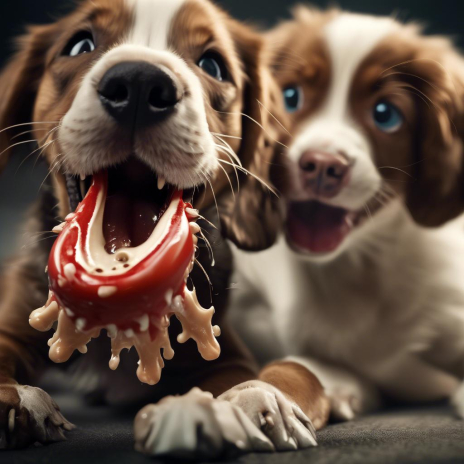
Drooling is a common occurrence in dogs, but when it happens during teething, it can raise questions for pet owners. Teething is a natural process in a dog’s development, but understanding the potential causes of increased drooling during this time can provide important insights for pet owners. In this article, we will explore the relationship between teething and drooling in dogs, and offer guidance on how to manage this normal behavior. Understanding the dynamics of teething and drooling can help pet owners navigate this stage of their dog’s life with confidence and ease.
Table of Contents
- Causes of Excessive Drooling in Teething Dogs
- Understanding the Teething Process in Puppies
- How to Manage Excessive Drooling in Teething Dogs
- Importance of Regular Dental Care for Teething Puppies
- Signs of Teething Discomfort in Dogs
- Tips for Soothing Teething Pain in Dogs
- Potential Complications of Teething in Puppies
- When to Seek Veterinary Care for Teething-Related Drooling
- Q&A
- To Wrap It Up
Causes of Excessive Drooling in Teething Dogs
When teething, dogs may experience excessive drooling as a result of the discomfort and pain associated with the eruption of their adult teeth. This excess production of saliva is a natural response to the irritation caused by the new teeth pushing through the gums. Just like in human babies, the teething process can cause discomfort and lead to heightened drooling in dogs. It is essential for dog owners to understand the causes of this excessive drooling so that they can provide appropriate care and support to their furry companions during this stage of development.
One of the main reasons for excessive drooling in teething dogs is the inflammation and irritation of the gums caused by the new teeth breaking through. The pressure from the emerging teeth can cause a dog’s gums to become tender and sore. As a result, dogs may drool more than usual as a way to naturally lubricate and soothe the discomfort in their mouths. Additionally, the increased production of saliva helps to flush out any debris or bacteria that may be present around the new teeth, aiding in the healing process. This natural response from dogs is an important part of the teething process and is generally nothing to be concerned about, as long as the excessive drooling is not accompanied by other worrying symptoms such as loss of appetite or lethargy.
Another cause of excessive drooling in teething dogs is the urge to chew and gnaw on objects to alleviate the pain and discomfort in their mouths. Dogs instinctively seek to relieve the discomfort of teething by chewing on toys, bones, or other objects to massage their gums and alleviate the pressure caused by the emerging adult teeth. This behavior can lead to increased saliva production and drooling, as the act of chewing stimulates the salivary glands. Providing appropriate teething toys for dogs to chew on can help redirect this natural behavior and provide relief for the discomfort associated with teething.
Understanding the Teething Process in Puppies
When puppies are teething, it is a natural process for them to experience some discomfort and irritability. During this time, their baby teeth fall out and are replaced by adult teeth, much like human infants. As a result, puppies may exhibit certain behaviors, such as increased chewing, drooling, and even mild bleeding in their gums. is crucial for pet owners to provide the necessary care and support for their furry companions during this stage of development.
One common question that arises during the teething process in puppies is whether or not dogs drool when they are teething. The answer to this question is yes, dogs do drool when they are teething. Just like in humans, the discomfort and pain caused by teething can lead to excessive drooling in puppies. This is a natural response to the irritation and inflammation in their gums as their adult teeth start to emerge. It is important for pet owners to be aware of this normal behavior and to provide their puppies with appropriate chew toys and teething aids to help alleviate their discomfort.
To help manage your puppy’s drooling during the teething process, consider the following tips:
– Provide your puppy with suitable chew toys to help soothe their gums and alleviate the urge to chew on other items.
– Consider using teething gels or frozen washcloths to help numb the pain in their gums.
– Monitor your puppy’s drooling and behavior closely, and consult with a veterinarian if you have any concerns about their teething process.
How to Manage Excessive Drooling in Teething Dogs
If you have a teething puppy, you may have noticed that they are drooling more than usual. This is a common occurrence during the teething process, as the new teeth coming in can cause discomfort and irritation in the gums, leading to excessive drooling. Fortunately, there are ways to manage this issue and make the teething process more comfortable for your furry friend.
One way to manage excessive drooling in teething dogs is to provide them with appropriate chew toys. **Chew toys** not only provide relief for your dog’s sore gums, but they also help to keep their teeth clean and healthy. Look for toys specifically designed for teething puppies, as they are often made of softer materials that are gentle on the gums. Additionally, **frozen** chew toys or **ice cubes** can provide extra relief by numbing the gums and reducing drooling.
Another way to manage excessive drooling in teething dogs is to keep their mouth and teeth clean. This can be done by **brushing** your dog’s teeth regularly with a dog-friendly toothbrush and toothpaste. **Dental chews** can also help to reduce plaque and bacteria in your dog’s mouth, which can contribute to excessive drooling. Overall, maintaining good oral hygiene can help to minimize drooling and keep your dog comfortable during the teething process.
Importance of Regular Dental Care for Teething Puppies
Teething is a natural part of a puppy’s development, much like it is for human babies. Just like human babies, teething puppies can experience discomfort and pain as their baby teeth are replaced by adult teeth. As a result, it is important for pet owners to understand the . Regular dental care during the teething stage can help alleviate some of the discomfort and promote healthy oral hygiene habits that will benefit the puppy throughout its life.
During the teething process, puppies may experience increased drooling as a result of the discomfort in their mouths. This is a normal and natural response to the pain and irritation they may be feeling as new teeth emerge. In addition to drooling, puppies may also exhibit behaviors such as chewing on objects, whimpering, or refusing to eat, as they try to alleviate the discomfort in their mouths. It’s important for pet owners to be mindful of these signs and to provide appropriate care and attention during this stage of puppy development. Regular dental care, including gentle cleaning of the puppy’s gums and teeth, can help alleviate some of the discomfort and reduce excessive drooling during the teething process.
**Benefits of regular dental care for teething puppies include:**
– Alleviating discomfort and pain in the mouth
– Promoting healthy oral hygiene habits from a young age
– Reducing excessive drooling and other teething-related behaviors
In conclusion, the cannot be overstated. By understanding the natural process of teething and providing appropriate care and attention, pet owners can help their puppies through this stage of development with minimal discomfort and promote lifelong oral health.
Signs of Teething Discomfort in Dogs
When dogs are teething, they often experience discomfort that can manifest in various ways. One common sign of teething discomfort in dogs is excessive drooling. This is because as the new teeth push through the gums, it can cause inflammation and irritation, leading to increased saliva production. If you notice your dog drooling more than usual, especially when they are chewing on toys or objects, it could be a sign that they are teething.
In addition to excessive drooling, you may also notice other signs of teething discomfort in your dog. These can include increased chewing behavior, swollen or red gums, reluctance to eat hard foods, and even mild irritability. Some dogs may also experience a slight decrease in appetite during this time. It’s important to be patient and understanding with your teething dog, as this is a normal and natural part of their development. Providing them with appropriate chew toys and soothing treats can help alleviate their discomfort and make the teething process more bearable.
**Common :**
– Excessive drooling
– Increased chewing behavior
– Swollen or red gums
– Reluctance to eat hard foods
– Mild irritability
– Slight decrease in appetite
It’s essential to monitor your dog’s behavior and overall well-being during the teething process. If you have any concerns about their discomfort or if you notice any unusual symptoms, it’s best to consult with your veterinarian for guidance and support. Remember, teething is a temporary phase, and with the right care and attention, your dog will soon have a healthy, strong set of adult teeth.
Tips for Soothing Teething Pain in Dogs
Teething is a natural and important process for young puppies, but it can be a painful experience. During this time, puppies may drool more than usual as they try to soothe their sore gums. It’s important for pet owners to understand this common behavior and to provide their furry friends with the necessary care and attention. Here are some :
– **Cold Treats**: Offering cold treats like frozen carrots or ice cubes can help numb the gums and provide relief from teething pain. Additionally, frozen washcloths or toys can also be beneficial for soothing sore gums.
– **Chew Toys**: Providing puppies with appropriate chew toys can help redirect their chewing behavior away from household items. Look for toys made specifically for teething puppies, as they are designed to be gentle on the gums and can provide hours of relief and entertainment.
– **Gentle Massage**: Gently massaging a puppy’s gums with clean fingers can help alleviate some of the discomfort associated with teething. Be sure to wash your hands thoroughly before and after to prevent the spread of any bacteria.
In addition to these tips, it’s essential to monitor your puppy’s behavior and consult with a veterinarian if there are signs of excessive drooling or discomfort. By taking proactive measures and providing the right care, pet owners can help their puppies navigate the teething process with minimal discomfort.
Potential Complications of Teething in Puppies
Teething is a natural process for puppies as their baby teeth start to fall out, making way for their adult teeth to come in. While this is a normal part of a puppy’s development, it can lead to potential complications and discomfort. One common question pet owners often ask is, “Do dogs drool when teething?” The answer is yes, they do. Just like human babies, puppies can experience excessive drooling during the teething process. This is because the discomfort and irritation caused by new teeth breaking through their gums can lead to increased saliva production. It’s important for pet owners to monitor their puppies closely during this time and provide them with the necessary care and support.
Aside from increased drooling, there are other potential complications that can arise during the teething phase in puppies. These may include:
**1. Pain and Discomfort:** The process of teething can be quite uncomfortable for puppies, leading to irritability, restlessness, and a higher tendency to chew on objects for relief. It’s essential for pet owners to provide their puppies with appropriate chew toys and soothing remedies to help alleviate their discomfort.
**2. Behavioral Changes:** Teething puppies may exhibit changes in behavior such as increased whining, avoiding certain types of food, and aggressive chewing. Pet owners should be patient and understanding during this time, providing positive reinforcement and reassurance to help their puppies through this phase.
**3. Gum Inflammation:** As new teeth come in, puppies may experience gum inflammation, which can cause redness, swelling, and discomfort. Pet owners should keep an eye out for signs of gum inflammation and consult with a veterinarian if the symptoms persist or worsen.
In conclusion, teething in puppies can bring about various complications, including increased drooling, pain and discomfort, behavioral changes, and gum inflammation. It’s crucial for pet owners to be attentive to their puppies’ needs and provide them with the necessary care and support during this phase of development.
When to Seek Veterinary Care for Teething-Related Drooling
Drooling is a common behavior in dogs, and it can be particularly evident during the teething process. As puppies begin to lose their baby teeth and adult teeth start coming in, they may experience discomfort and irritation in their gums, leading to increased drooling. This teething-related drooling is generally normal and not cause for concern. However, there are certain instances when excessive drooling during teething may indicate a need for veterinary care.
If you notice any of the following signs associated with teething-related drooling, it may be time to seek veterinary care for your dog:
- Excessive drooling that is not subsiding
- Bleeding or swollen gums
- Loss of appetite or difficulty eating
- Visible signs of pain or discomfort
It’s important to monitor your dog’s behavior and overall health during the teething process. While some drooling is to be expected, any concerning symptoms should prompt a visit to the veterinarian for a thorough examination. Your vet can assess the cause of the excessive drooling and provide appropriate treatment to alleviate any discomfort your dog may be experiencing.
Q&A
Q: What causes excessive drooling in dogs?
A: Excessive drooling in dogs can be caused by a variety of factors, including teething, excitement, anxiety, motion sickness, or medical issues such as dental problems, oral infections, or heatstroke.
Q: Do dogs drool when teething?
A: Yes, dogs may experience increased drooling when they are teething. The discomfort and irritation associated with the teething process can cause some dogs to drool more than usual.
Q: At what age do dogs start teething?
A: Puppies typically begin teething at around 3-4 months of age, and the teething process can continue until they are 6-8 months old.
Q: How can I tell if my dog is teething?
A: Signs that your dog may be teething include increased drooling, chewing on objects, swollen or inflamed gums, and a reluctance to eat hard food.
Q: What can I do to help my teething dog?
A: Providing your dog with appropriate chew toys, frozen treats, and soothing teething gels can help alleviate discomfort during the teething process. It is also essential to ensure that your dog receives proper dental care and regular veterinary check-ups.
Q: When should I be concerned about my dog’s drooling?
A: Excessive or sudden drooling that is accompanied by other symptoms such as vomiting, diarrhea, lethargy, or difficulty breathing may indicate a more severe underlying issue and should prompt a visit to the veterinarian.
Q: Are there specific breeds that drool more when teething?
A: While drooling during teething can vary from dog to dog, some breeds, such as Mastiffs, Bulldogs, and Saint Bernards, are known for their excessive drooling tendencies, which can be more pronounced during the teething phase.
To Wrap It Up
In conclusion, it is common for dogs to drool when they are teething. This natural process can cause discomfort and contribute to excess saliva production. It is important to provide appropriate chew toys and maintain good oral hygiene to help alleviate any discomfort and minimize excessive drooling. If you have any concerns about your dog’s teething process or excessive drooling, it is always best to consult with a veterinarian for guidance and advice. Understanding and managing your dog’s teething can help ensure a smooth transition into adulthood for your furry friend.


