


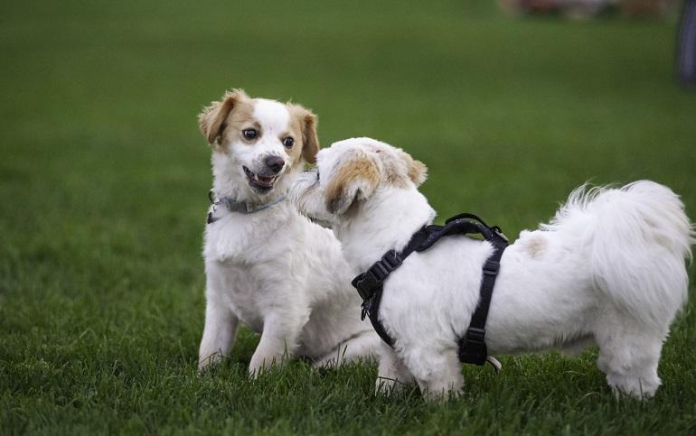
Training a puppy to calm down can be a challenging but essential part of pet ownership. Puppies are naturally energetic and excitable, but it is important to teach them how to relax and behave calmly in various situations. In this article, we will explore effective techniques and strategies for successfully training a puppy to stay calm, making the experience of pet ownership more enjoyable for both the puppy and its owner. We will cover everything from understanding the importance of calm behavior to practical training exercises that can be implemented at home. Whether you are a first-time puppy owner or looking to refine your training methods, this comprehensive guide will provide valuable insights and tips for achieving a well-behaved and mellow puppy.
Table of Contents
- Preparing for Training
- Understanding the Puppy’s Needs and Triggers
- Implementing Calming Techniques
- Consistency is Key
- Positive Reinforcement Techniques
- Q&A
- Key Takeaways
Preparing for Training
When your puppy to calm down, it’s important to create a calm and structured environment for both you and your furry friend. Here are some tips to help you get ready for the training process:
- Establish a Routine: Dogs thrive on routine, so it’s important to establish a consistent daily schedule for feeding, walks, playtime, and training sessions.
- Designate a Calm Space: Create a designated calm space for your puppy to relax in, whether it’s a cozy crate or a quiet corner of the house. This will help them learn to associate relaxation with a specific area.
- Gather Training Supplies: Make sure you have all the necessary training supplies on hand, including treats, a leash, a clicker, and interactive toys to keep your puppy engaged and focused during training sessions.
By taking the time to prepare for training and setting the stage for success, you’ll be better equipped to help your puppy learn how to calm down and develop good behavior habits.
Understanding the Puppy’s Needs and Triggers
When it comes to training a puppy to calm down, it’s important to first understand their needs and triggers. By identifying these, you can create a more effective and tailored training plan for your furry friend. Here are some key factors to consider:
- Exercise: Puppies have high energy levels and need regular exercise to burn off excess energy and stay calm.
- Socialization: Exposure to new people, animals, and environments is essential for puppies to learn how to remain calm in different situations.
- Consistency: Establishing a routine and consistent rules and boundaries will help your puppy feel secure and confident, leading to a calmer demeanor.
- Stress Triggers: Identify what triggers anxiety or stress in your puppy, such as loud noises or separation, and work on desensitizing them through gradual exposure and positive reinforcement.
In addition to understanding your puppy’s needs, it’s important to recognize their communication cues. Puppies use body language and vocalizations to express their emotions and needs. By paying attention to these cues, you can better address any underlying issues contributing to their inability to calm down. Overall, a holistic understanding of your puppy’s needs and triggers is crucial in creating a conducive environment for training them to remain calm.
| Exercise | Regular walks and playtime |
| Socialization | Introduce to new people and environments |
| Consistency | Establish routines and boundaries |
| Stress Triggers | Identify and gradually desensitize |
Implementing Calming Techniques
Training a puppy to calm down can be a challenging but rewarding experience. is essential in helping your puppy develop good behavior and manage their emotions. Whether you are dealing with an overly excited puppy or one that is constantly anxious, incorporating calming techniques into your training routine can make a significant difference in your puppy’s behavior.
One effective calming technique is to create a designated quiet space for your puppy. This area should be a comfortable and safe space where your puppy can retreat to when they are feeling overwhelmed or overstimulated. **Use a cozy bed or blanket and place some of your puppy’s favorite toys and treats in this space** to encourage them to relax and unwind. Training your puppy to associate this space with calmness can help them self-regulate their emotions and behavior.
Another important calming technique is to incorporate relaxation exercises into your training sessions. **Teaching your puppy to settle down and relax on command** can help them learn to manage their energy levels and emotions. Start by practicing short periods of relaxation and gradually increase the duration as your puppy becomes more adept at staying calm. **Reward your puppy with treats and praise when they successfully relax on command** to reinforce this behavior. With consistent practice, your puppy will learn to calm down more effectively in various situations.
Consistency is Key
Training a puppy to calm down can be a challenging task, but with consistency and patience, it is definitely achievable. One of the most important things to keep in mind when training your puppy is that . This means using the same commands, routines, and methods every time you work with your puppy. Consistency helps your puppy learn what is expected of them, and helps them feel secure and confident in their training.
When training your puppy to calm down, it’s important to establish a routine that includes regular exercise, mental stimulation, and plenty of opportunities for relaxation. This can help your puppy release excess energy and develop self-control. Additionally, using consistent commands and cues, such as “settle” or “stay”, can help your puppy understand what is expected of them in various situations. Consistency in your interactions with your puppy, such as not reinforcing hyperactive behavior with attention, can also help them learn to calm down.
In addition to consistent training methods, it’s important to create a calm and peaceful environment for your puppy. Providing a comfortable and quiet space for relaxation, such as a cozy bed or crate, can help your puppy learn to settle down. Additionally, using calming tools and techniques, such as aromatherapy, soothing music, or gentle massage, can help your puppy learn to relax and remain calm in various situations. By maintaining consistency in your training methods and providing a calm environment for your puppy, you can effectively teach them to calm down and behave appropriately.
Positive Reinforcement Techniques
When it comes to training a puppy to calm down, can be highly effective. Using positive reinforcement involves rewarding your puppy for exhibiting the desired behavior, which in this case is being calm. This method can help your puppy learn to associate calm behavior with positive outcomes, making them more likely to repeat the behavior in the future.
One effective positive reinforcement technique for training a puppy to calm down is using treats. When your puppy is calm and relaxed, offer them a small treat as a reward. This teaches them that being calm is a desirable behavior and can lead to a positive outcome. Additionally, you can use verbal praise and gentle petting as forms of positive reinforcement when your puppy is calm. This will further reinforce the desired behavior and help them understand what is expected of them.
Another helpful technique is to create a calm environment for your puppy. This can include providing a comfortable and cozy space for them to relax, with soft bedding and soothing toys. Additionally, regular exercise and mental stimulation can help your puppy release excess energy and promote calm behavior. By using these , you can effectively train your puppy to calm down while strengthening your bond with them.
| Treats | Verbal praise | Gentle petting |
| Comfortable space | Regular exercise | Mental stimulation |
Q&A
Q: What are some common signs of a hyperactive puppy?
A: Some common signs of a hyperactive puppy include excessive barking, jumping, biting, and inability to settle down.
Q: What are the benefits of training a puppy to calm down?
A: Training a puppy to calm down can lead to better behavior, reduced anxiety, and an overall happier and healthier pet.
Q: How can I create a calm environment for my puppy?
A: Creating a calm environment for your puppy involves providing a comfortable and safe space, minimizing loud noises and chaos, and maintaining a consistent routine.
Q: What are some effective training techniques for helping a puppy to calm down?
A: Some effective training techniques include positive reinforcement, such as rewarding calm behavior with treats, using calming tools like toys and blankets, and incorporating regular exercise and mental stimulation.
Q: How can I address hyperactivity in my puppy during playtime?
A: To address hyperactivity during playtime, it’s important to establish clear boundaries and rules, redirect the puppy’s energy towards appropriate toys, and take regular breaks to allow the puppy to rest.
Q: What role does exercise play in helping a puppy to calm down?
A: Regular exercise is crucial for helping a puppy to expend excess energy and stay mentally and physically healthy, ultimately leading to a calmer demeanor.
Q: How can I address hyperactivity in my puppy when encountering new people and situations?
A: When encountering new people and situations, it’s important to practice desensitization and counterconditioning techniques, reward calm behavior, and gradually expose the puppy to new experiences in a positive way.
Key Takeaways
In conclusion, training a puppy to calm down requires patience, consistency, and a deep understanding of their behavior and needs. It is essential to set clear boundaries, provide regular mental and physical stimulation, and use positive reinforcement techniques to encourage calm behavior. Remember that every puppy is unique, and it may take time for them to learn how to calm down in various situations. With dedication and the right approach, you can help your puppy to develop the necessary skills to stay relaxed and composed in any environment. By investing your time and effort into their training, you will cultivate a harmonious and balanced relationship with your puppy that will last a lifetime.


