


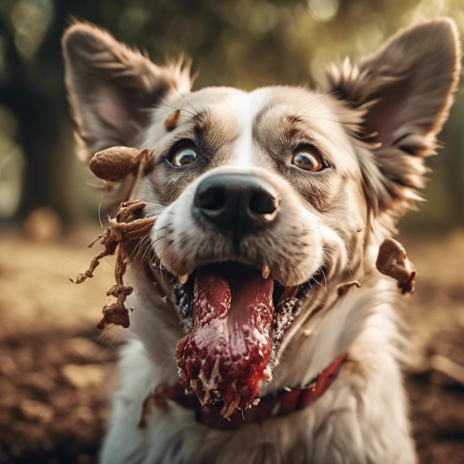
Dogs are known for their natural inclination to chew, whether it be on toys, furniture, or household items. While this behavior is normal and instinctual for dogs, it can become a problem when they begin to chew on inappropriate objects. This not only causes damage to personal belongings, but it can also pose a danger to the dog’s health if they ingest harmful materials. In this article, we will explore the various reasons why dogs chew and provide detailed strategies for preventing this behavior in a professional and effective manner.
Table of Contents
- Understanding the Root Cause of Chewing Behavior
- Creating a Chew-Safe Environment for Your Dog
- Using Positive Reinforcement to Redirect Chewing Behavior
- Providing Appropriate Chew Toys and Alternatives
- Training Techniques to Discourage Destructive Chewing
- Consistency and Patience in Correcting Chewing Habits
- Seeking Professional Help for Persistent Chewing Issues
- Q&A
- To Wrap It Up
Understanding the Root Cause of Chewing Behavior
in dogs is crucial in preventing destructive chewing habits. Dogs chew for various reasons, including teething, boredom, anxiety, or simply out of curiosity. By identifying the underlying cause of your dog’s chewing behavior, you can take appropriate steps to address the issue effectively.
One common reason for chewing behavior in dogs is teething. Just like human babies, puppies go through a teething phase, during which they experience discomfort and itchiness in their gums. As a result, they may seek relief by chewing on anything they can find. Providing teething toys specifically designed for puppies can help alleviate their discomfort and prevent them from resorting to destructive chewing.
Another root cause of chewing behavior in dogs is boredom. Dogs are intelligent animals that require mental stimulation and physical activity to keep them engaged and prevent boredom. When left alone for extended periods without adequate mental and physical stimulation, dogs may resort to chewing as a way to alleviate their boredom. Providing interactive toys, puzzle feeders, and regular exercise can help curb their destructive chewing habits.
Creating a Chew-Safe Environment for Your Dog
Having a dog that loves to chew can be a challenge, but creating a chew-safe environment for your furry friend is possible with a few simple steps. One of the first things to do is to provide plenty of appropriate chew toys for your dog to enjoy. Look for toys that are durable and designed for heavy chewers, such as rubber toys or nylon bones. **Avoid toys that can easily be torn apart or swallowed, such as rawhide or plush toys.** Providing a variety of textures and shapes can help keep your dog entertained and satisfied.
In addition to providing chew toys, it’s important to set boundaries and redirect your dog’s chewing behavior. Supervise your dog when they are out of their crate or designated chew area, and correct them if they attempt to chew on inappropriate items. Positive reinforcement can also be helpful, so be sure to praise and reward your dog when they chew on their toys instead of furniture or other household items. Creating a designated space for chewing, such as a specific room or area of the house, can also help prevent unwanted chewing behavior in other parts of the home.
Another important aspect of is to address any underlying issues that may be causing excessive chewing. Some dogs chew due to anxiety, boredom, or lack of exercise, so it’s important to provide mental and physical stimulation for your dog. This can involve regular walks, playtime, and interactive toys to keep your dog engaged and prevent destructive chewing behavior. By addressing the root cause of your dog’s chewing, you can create a safer and happier environment for both you and your pet.
Using Positive Reinforcement to Redirect Chewing Behavior
One effective method for preventing dogs from destructive chewing behavior is to use positive reinforcement techniques. This involves rewarding your dog when they exhibit desirable behavior, such as not chewing on furniture or shoes. By consistently rewarding your dog for good behavior, you can help redirect their chewing habits towards more appropriate items. Positive reinforcement can include verbal praise, treats, or toys, and it helps establish a positive association with not chewing on forbidden objects.
To effectively use positive reinforcement to redirect chewing behavior, it’s crucial to catch your dog in the act. When you notice your dog chewing on something they shouldn’t, calmly remove the item and replace it with a chew toy or treat. Physically and verbally praise your dog for chewing on the appropriate item. This will help them understand what behavior is wanted and reinforce the idea that chewing on their toys is the right thing to do. Additionally, it’s important to be consistent in your approach and to avoid punishing your dog for chewing on the wrong object, as this can lead to confusion and anxiety. Instead, focus on rewarding and reinforcing the desired behavior to effectively redirect their chewing habits.
Creating a positive reinforcement plan for your dog’s chewing behavior can take time and patience, but with consistency and positive reinforcement, you can help your dog develop better chewing habits in the long run. By using these techniques, you can redirect your dog’s chewing behavior towards more appropriate items, saving your furniture and shoes from further damage.
Providing Appropriate Chew Toys and Alternatives
When it comes to preventing dogs from chewing on your belongings, it’s essential to provide them with appropriate chew toys and alternatives to satisfy their natural chewing instincts. By doing so, you can redirect their behavior away from destructive chewing and towards more suitable items.
One of the most effective ways to prevent dogs from chewing on furniture, shoes, and other household items is to offer a variety of chew toys that are specifically designed for this purpose. Durable rubber toys are a great option as they can withstand the pressure of your dog’s strong jaw and provide a satisfying chewing experience. Look for toys that are made of non-toxic materials and are designed to be long-lasting to ensure your dog’s safety and enjoyment.
In addition to chew toys, consider providing your dog with alternatives to chew on, such as natural bones, antlers, or nylon bones. These items can help satisfy your dog’s need to chew while also promoting dental health and reducing boredom. It’s important to supervise your dog when giving them these alternatives to ensure they are chewing safely, and to remove any small or sharp pieces that may pose a choking hazard. By offering a variety of appropriate chew toys and alternatives, you can help prevent destructive chewing behavior and keep your dog happy and mentally stimulated.
Training Techniques to Discourage Destructive Chewing
One of the most frustrating behaviors pet owners encounter is destructive chewing. Whether it’s your new pair of shoes or the furniture, dogs can wreak havoc with their powerful jaws. However, with the right training techniques, you can discourage your furry friend from chewing on your belongings and redirect their behavior to appropriate chewing outlets.
Positive Reinforcement: Using positive reinforcement techniques can be highly effective in discouraging destructive chewing. When your dog chews on an appropriate toy or bone, praise and reward them with treats. This will help them associate good behavior with positive outcomes, ultimately discouraging them from chewing on inappropriate items.
Provide Appropriate Chew Toys: As part of your training efforts, make sure to provide your dog with a variety of appropriate chew toys. Look for toys that are durable and designed for heavy chewers. If your dog has a preference for a certain type of texture, such as rubber or nylon, try to accommodate their preferences to increase the likelihood of them using the chew toys instead of household items.
Supervise and Redirect: When you’re unable to directly supervise your dog, it’s important to keep them in a safe and confined space where they cannot access items they shouldn’t chew. When redirecting their behavior, consistently offer them an approved chew toy whenever you catch them chewing on something they shouldn’t be. This will help them learn what’s acceptable for chewing and what’s off-limits.
By implementing these training techniques, you can effectively discourage destructive chewing behavior in your canine companion and promote a harmonious cohabitation with your beloved pet.
Consistency and Patience in Correcting Chewing Habits
Once your dog starts chewing on things they shouldn’t, it can be a challenging behavior to correct. Many dog owners find themselves feeling frustrated and confused about how to prevent their furry friend from destroying their belongings. However, with consistency and patience, it is possible to correct chewing habits and set your dog on the right path.
Consistency is Key
Consistency is crucial when it comes to correcting chewing habits in dogs. It’s essential to establish clear boundaries and enforce them consistently. This means redirecting your dog’s chewing behavior every time they engage in it and providing them with appropriate chew toys or bones to satisfy their need to chew. Additionally, consistency also applies to your reaction to chewing incidents. It’s important not to be lenient with the rules, as this can confuse your dog and make it harder for them to understand what is acceptable behavior.
Patience is Essential
Correcting chewing habits takes time, and it’s important to be patient throughout the process. It’s natural for dogs to chew, especially when they are teething or bored, so it’s essential to understand that it may take some time for them to fully grasp the concept of what they can and cannot chew. Reacting with patience and understanding will help your dog feel more supported and less stressed, making it easier for them to learn and adapt to the new rules. Remember that every dog is different and may require varying amounts of time to change their habits, so it’s crucial to remain patient and persistent in your efforts.
By being consistent and patient in your approach to correcting chewing habits, you can effectively prevent your dog from destructive behavior and set them up for a well-behaved and happy life.
Seeking Professional Help for Persistent Chewing Issues
Chewing is a natural behavior for dogs, but persistent chewing can become a concern for pet owners. It can lead to destructive behavior, damaged furniture, and even health issues for the dog if they ingest harmful objects. is essential to address the underlying causes and find effective solutions.
A professional dog trainer or behaviorist can assess the dog’s chewing behavior and determine the root cause, whether it’s boredom, anxiety, or lack of appropriate chew toys. They can then create a personalized training plan to help redirect the dog’s chewing behavior and provide alternative activities to keep them engaged and satisfied.
Additionally, a veterinarian can evaluate the dog’s overall health to rule out any medical conditions that may be contributing to the chewing behavior. They can also provide advice on safe and appropriate chew toys, as well as offer guidance on dental health and nutrition to support the dog’s overall well-being.
Q&A
Q: Why do dogs chew on things?
A: Dogs chew for a variety of reasons, including boredom, anxiety, teething, or simply as a way to explore their environment.
Q: How can I prevent my dog from chewing on furniture and other items?
A: There are several methods for preventing destructive chewing in dogs, including providing appropriate chew toys, increasing exercise and mental stimulation, using deterrent sprays, and using positive reinforcement training techniques.
Q: What are some appropriate chew toys for dogs?
A: Appropriate chew toys for dogs include rubber chew toys, nylon bones, and puzzle toys that dispense treats. It is important to choose toys that are safe for your dog and appropriate for their size and chewing style.
Q: How much exercise does my dog need to help prevent chewing?
A: The amount of exercise needed to prevent chewing can vary depending on the breed and age of your dog, but most dogs benefit from at least 30 minutes to one hour of physical activity each day, as well as mental stimulation and interactive play.
Q: Are there any natural deterrents to prevent chewing?
A: Some natural deterrents to prevent chewing include bitter apple spray, citrus or menthol scented sprays, or using white vinegar or chili powder on items you want to protect from chewing.
Q: How can positive reinforcement training help prevent chewing?
A: Positive reinforcement training can help prevent chewing by rewarding good behavior with treats, praise, and attention, and redirecting unwanted chewing behavior to appropriate chew toys.
Q: Are there any medical reasons why my dog may be chewing excessively?
A: Yes, excessive chewing in dogs may be a sign of dental problems, allergies, or other medical issues, so it is important to consult with a veterinarian if you are concerned about your dog’s chewing behavior.
To Wrap It Up
In conclusion, preventing dogs from chewing requires a combination of vigilant supervision, training, and providing appropriate outlets for their natural chewing instincts. By closely monitoring your dog, teaching them what is acceptable to chew on, and providing them with plenty of suitable chew toys, you can help prevent destructive chewing behavior. Additionally, understanding the underlying reasons behind your dog’s chewing habits, such as boredom or anxiety, can also help in creating a suitable and enriching environment for your pet. Through consistent training and positive reinforcement, you can help your furry companion develop healthy chewing habits and avoid potential hazards. By implementing these strategies, you can enjoy a harmonious relationship with your dog without the worry of destructive chewing behavior.


