


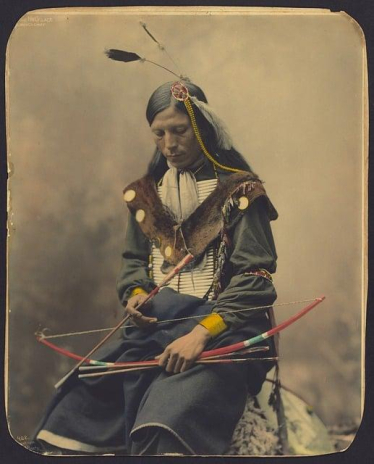
Hey there! As the holiday season approaches, let’s take a look at some of the fascinating and centuries-old traditions celebrated by Native American tribes across the country. From ceremony and dance to food and storytelling, these holiday traditions offer a unique and rich glimpse into the diverse cultures of indigenous communities. Let’s dive in and explore the rich tapestry of Native American holiday traditions.
Table of Contents
- Winter Solstice Celebrations
- – Understanding the significance of the winter solstice in Native American cultures
- – Traditional ceremonies and rituals performed during the winter solstice
- – Recommendations for participating in or respectfully observing Native American winter solstice celebrations
- Harvest Festivals and Agricultural Traditions
- – Exploring the connection between Native American holiday traditions and agricultural cycles
- – Detailed insights into specific harvest festivals celebrated by different tribes
- – Suggestions for engaging in meaningful ways with Native American agricultural traditions
- Powwows and Dance Celebrations
- – The cultural significance of powwows and dance celebrations in Native American holiday traditions
- – Traditional dances and regalia used in powwows
- – Advice on respectful participation in or observation of powwows and dance celebrations
- Storytelling and Oral Traditions
- – The role of storytelling in preserving Native American holiday traditions
- – Insight into traditional stories and their connection to specific holidays or celebrations
- – Recommendations for learning from and engaging with Native American oral traditions
- Q&A
- Closing Remarks
Winter Solstice Celebrations
Winter solstice is a significant time for many Native American tribes, marking the shortest day and longest night of the year. Each tribe has its own unique way of celebrating this special time, with various rituals and ceremonies that honor the changing of the seasons. These celebrations often involve traditional dances, feasting, and storytelling, as well as spiritual practices that connect the community with the natural world.
Here are some of the ways different Native American tribes celebrate the winter solstice:
- Hopi: The Hopi tribe in Arizona celebrates Soyal, a winter solstice ritual that involves purification and renewal. The tribe comes together for prayer, dancing, and the burning of sacred herbs to cleanse the community and prepare for the new year.
- Navajo: The Navajo tribe observes the winter solstice with the Nightway ceremony, a time of healing and restoration. The tribe gathers for intricate sand paintings, chanting, and other healing rituals to bring balance and harmony to the community.
- Inuit: In the Arctic regions of North America, the Inuit people celebrate the winter solstice with the Kiviak festival, where they gather to feast on fermented birds as a way of honoring their connection to the land and its resources.
These traditions, passed down through generations, showcase the deep connection that Native American tribes have with the natural world and the significance of the winter solstice in their cultural and spiritual practices.
– Understanding the significance of the winter solstice in Native American cultures
The winter solstice holds a significant place in Native American cultures, representing a time of reflection, gratitude, and renewal. For many tribes, this astronomical event marks the beginning of the new year and is celebrated with traditional ceremonies, storytelling, and feasting. Understanding the cultural and spiritual significance of the winter solstice in Native American traditions allows us to appreciate the deep connection that indigenous communities have with the natural world.
In various Native American cultures, the winter solstice is honored through different rituals and customs, each carrying a unique symbolism and meaning. Some common traditions include:
– Sacred ceremonies and dances to honor the changing of the seasons.
– Storytelling sessions to pass down ancient knowledge and legends related to the winter solstice.
– Feasting and sharing of traditional foods as a way of fostering community and unity.
This time of year is also a time for reflection and spiritual renewal, as tribes express gratitude for the blessings of the past year and set intentions for the year ahead. The winter solstice in Native American cultures is a reminder of the interconnectedness of all living beings and the importance of living in harmony with nature.
– Traditional ceremonies and rituals performed during the winter solstice
The winter solstice is a significant time for many Native American tribes, and it is marked by various traditional ceremonies and rituals that are rich in culture and history. These rituals are deeply rooted in the spiritual beliefs of the indigenous people and are passed down through generations.
**Some of the traditional ceremonies and rituals performed during the winter solstice include:**
– **Sun Dance:** This ceremonial dance is performed by many tribes to honor the sun and ask for its continued blessings. It is a way for the community to come together and celebrate the return of light and warmth after the darkest day of the year.
– **Smudging:** Smudging is a purification ritual that involves the burning of sacred herbs, such as sage or sweetgrass, to cleanse the space and the participants. It is believed to clear away negative energy and promote spiritual balance.
– **Feast:** Many Native American tribes hold a feast during the winter solstice to celebrate the abundance of the harvest and to give thanks for the blessings of the past year. It is a time for sharing food, stories, and traditions with the community.
**Table: Traditional Winter Solstice Ceremonies**
| Ceremony | Description |
|——————-|—————————————————————————————————|
| Sun Dance | Ceremonial dance to honor the sun and seek its blessings |
| Smudging | Purification ritual involving the burning of sacred herbs |
| Feast | Celebration of the harvest and giving thanks for the blessings of the past year |
These traditional ceremonies play a vital role in connecting Native American communities to their cultural heritage and spiritual beliefs. They provide a sense of unity and a way to honor the natural cycles of the earth. For many tribes, the winter solstice is a time of reflection, renewal, and gratitude, and the ceremonies and rituals performed during this time are a way to express these sentiments.
– Recommendations for participating in or respectfully observing Native American winter solstice celebrations
Winter solstice is a sacred time for many Native American communities, and it’s important to approach their celebrations with reverence and respect. If you’re interested in participating or observing these traditions, here are some recommendations to keep in mind:
– Educate yourself: Before attending a Native American winter solstice celebration, take the time to learn about the specific traditions and customs of the tribe or community hosting the event. Understanding the significance of different rituals and practices will help you engage in a respectful and culturally sensitive manner.
– Seek permission: If you’re planning to participate in a winter solstice ceremony, it’s essential to obtain permission from the community leaders or organizers. In many Native American cultures, certain rituals and ceremonies are considered sacred and reserved for community members only. It’s important to be mindful of these boundaries and always ask for permission before joining in.
– Respect traditions: When attending a Native American winter solstice celebration, be mindful of the traditional customs and protocols. Show respect for sacred items, follow any guidelines provided by the community leaders, and refrain from engaging in behavior that could be considered disrespectful or disruptive.
By approaching Native American winter solstice celebrations with a mindset of understanding and respect, you can honor the significance of these traditions while participating or observing in a thoughtful and considerate manner.
Harvest Festivals and Agricultural Traditions
Native American are deeply rooted in the rich history of the indigenous peoples of North America. These celebrations are more than just a time of giving thanks for the bounty of the earth; they are sacred ceremonies that honor the connection between the people and the land. From the Navajo tribe’s Squash Blossom Dance to the Cherokee Green Corn Ceremony, each tribe has its own unique way of celebrating the harvest season.
During these festivals, traditional native foods, such as corn, squash, and beans, are featured in feasts and offerings. These festivals also include cultural performances, storytelling, and traditional crafts, providing a glimpse into the vibrant heritage of indigenous peoples. As these traditions have been passed down through generations, they continue to play a vital role in preserving the native way of life and the importance of sustainable agriculture.
For those interested in experiencing these rich traditions firsthand, many Native American communities host public harvest festivals, offering visitors a chance to participate in rituals, sample traditional foods, and learn about the significance of the harvest season in Native American culture. These festivals provide a unique opportunity to gain a deeper understanding of the deep connection between the people and the earth, and to celebrate the traditions that have sustained Native American communities for centuries.
- Exploring the connection between Native American holiday traditions and agricultural cycles
Native American holiday traditions are deeply intertwined with agricultural cycles, reflecting the close connection between indigenous communities and the natural world. Many Native American holidays are centered around key agricultural events, such as planting and harvest seasons, and are celebrated with ceremonies, feasts, and rituals that honor the earth’s bounty.
One example of this connection is the Powwow, which is a significant Native American holiday tradition that occurs during various times of the year, depending on the agricultural cycle. During these gatherings, communities come together to celebrate and give thanks for the harvest, often with traditional dances, music, and food. The Powwow serves as a reminder of the importance of agricultural cycles in the lives of indigenous peoples and their deep respect for the land.
Another example is the Green Corn Ceremony, which is a significant holiday in many Native American communities. This ceremony occurs during the first corn harvest and is a time for giving thanks for the bounty of the earth. It is a time for renewal, purification, and the sharing of food and stories. The Green Corn Ceremony reflects the deep spiritual connection between Native American traditions and the agricultural cycles that sustain their way of life. By exploring these connections, we can gain a deeper understanding of the rich cultural heritage of Native American communities and their reverence for the earth.
– Detailed insights into specific harvest festivals celebrated by different tribes
Each Native American tribe celebrates its own set of harvest festivals, each with unique traditions, ceremonies, and significance. These festivals are deeply rooted in the cultural, spiritual, and agricultural history of the tribes, showcasing their connection to the land and the natural world. Here are some detailed insights into specific harvest festivals celebrated by different tribes:
– **Hopi Tribe – Niman Ceremony:** The Hopi Tribe of the American Southwest celebrates the Niman Ceremony, also known as the Home Dance, as their main annual harvest festival. It is a 16-day event that takes place in late July and early August, marking the end of the Katsina season and the beginning of the new year. The ceremony includes dances, processions, and rituals to give thanks to the spirits, pray for rain, and ensure a successful harvest.
– **Mohawk Tribe – Green Corn Ceremony:** The Mohawk Tribe, part of the Iroquois Confederacy, holds the Green Corn Ceremony as a time of thanksgiving and renewal. This festival takes place in late summer when the corn is ripe and ready for harvest. The ceremony involves music, dance, feasting, and purification rituals to honor the maize, express gratitude to the earth, and seek spiritual guidance for the upcoming year.
- **Cherokee Tribe – Anisgvti (Harvest) Festival:** For the Cherokee people, the Anisgvti Festival is a time to celebrate the bountiful harvest and give thanks to the Great Spirit. This annual event, held in early autumn, features traditional games, storytelling, crafts, and communal meals. The festival is an opportunity for the Cherokee to come together, share their cultural heritage, and express gratitude for the gifts of the earth.
– Suggestions for engaging in meaningful ways with Native American agricultural traditions
Native American agricultural traditions are deeply rooted in the history and culture of indigenous peoples. Engaging with these traditions in meaningful ways can provide valuable insights into the sustainable and holistic practices of Native American communities. Here are some suggestions for individuals or groups looking to connect with and honor Native American agricultural traditions:
– **Attend Native American agricultural workshops and events**: Many tribal communities and organizations host workshops, festivals, and events that focus on traditional agricultural practices. Attending these gatherings can provide an opportunity to learn from and engage with Native American farmers and agricultural experts.
– **Support indigenous farmers and businesses**: Show your support for Native American agricultural traditions by purchasing products from indigenous farmers and businesses. Look for locally grown produce, traditional crafts, and other goods that are produced in a way that honors and preserves Native American agricultural techniques.
- **Participate in traditional planting and harvesting ceremonies**: Many Native American communities host planting and harvesting ceremonies that offer a chance to participate in age-old agricultural traditions. These ceremonies often involve storytelling, music, dance, and other cultural activities that provide a deeper understanding of the significance of agriculture in indigenous cultures.
Engaging with Native American agricultural traditions in these ways can help foster a greater appreciation for the rich cultural heritage and sustainable agricultural practices of indigenous peoples. By supporting and participating in these traditions, we can work towards preserving and promoting the valuable knowledge and traditions of Native American agricultural communities.
Powwows and Dance Celebrations
Native American holiday traditions are rich in cultural heritage and include a variety of that showcase the vibrant and diverse indigenous communities across the United States. These traditions are a significant part of Native American culture, serving as a way to honor their ancestors, celebrate their heritage, and strengthen community bonds. Whether you are a member of a Native American tribe or a visitor interested in learning more about their customs, participating in these events can offer a unique and enriching experience.
Powwows are ceremonial gatherings that bring together people from different tribes to socialize, dance, sing, and honor their cultural traditions. These events often feature lively dance competitions, traditional drumming, and vibrant regalia that showcase the intricate and colorful attire worn by participants. Dance celebrations are an integral part of these gatherings, with various styles of dance reflecting the diverse tribal customs and storytelling through movement. From the intricate footwork of the Fancy Dance to the graceful movements of the Jingle Dress Dance, each style holds deep cultural significance and reflects the historical narratives of the participating tribes.
By attending , visitors can gain a deeper understanding of Native American heritage, traditions, and values while supporting and respecting their cultural practices. These events provide an opportunity for cultural exchange and education, allowing attendees to appreciate the diversity and resilience of Native American communities. Whether you are drawn to the rhythmic drumming, the colorful regalia, or the sense of community spirit, offer a meaningful way to engage with and honor the traditions of indigenous peoples.
– The cultural significance of powwows and dance celebrations in Native American holiday traditions
Native American holiday traditions are rich with cultural significance, and one of the most important celebrations is the powwow. Powwows are vibrant and lively events that bring together members of Native American tribes from all over the country to celebrate their culture and heritage. These gatherings are filled with traditional music, dance, food, and crafts, making them essential to the preservation and promotion of Native American traditions. The dances performed at powwows have deep cultural significance and are an integral part of the holiday celebrations.
The dance celebrations at powwows play a critical role in Native American holiday traditions, as they are a way for the community to come together and honor their heritage. Each dance has its own unique meaning and serves as a way to tell stories, convey emotions, and pass down traditions from one generation to the next. From the energetic and lively jingle dance to the powerful and meaningful smoke dance, these performances are a way for Native Americans to connect with their ancestors and celebrate their cultural identity. Powwows and dance celebrations are not only a time of joy and fellowship, but also serve as a way to educate others about the rich and diverse traditions of Native American tribes.
– Traditional dances and regalia used in powwows
Traditional dances and regalia are an integral part of powwows, which are vibrant celebrations of Native American culture and heritage. These events are marked by rhythmic drumming, lively dancing, and elaborate traditional dress that reflects the rich history and diversity of indigenous communities.
The dances performed at powwows vary widely, with each having its significance and purpose. Some common traditional dances include the Men’s Traditional Dance, Women’s Traditional Dance, Grass Dance, Fancy Dance, Jingle Dress Dance, and the popular Round Dance. Each of these dances has its unique movements, music, and symbolism, making them an essential aspect of powwows.
In addition to the dances, the regalia worn by participants is a sight to behold. Traditional regalia, also known as dance regalia, consists of intricately designed clothing and accessories, such as feathered headdresses, beadwork, moccasins, shawls, and jewelry. These items are often handcrafted, representing the artisanal skills and artistic expression of Native American communities. The regalia serves as a visual representation of cultural pride and identity during powwows, making them a central element of the celebration.
– Advice on respectful participation in or observation of powwows and dance celebrations
Native American holiday traditions often include powwows and dance celebrations, which are important cultural events that hold deep spiritual and social significance for many Indigenous communities. If you have the opportunity to participate in or observe a powwow or dance celebration, it’s important to approach these events with respect and understanding. Here are some tips for respectfully participating in or observing these traditional Native American holiday celebrations:
**1. Educate Yourself:** Before attending a powwow or dance celebration, take the time to learn about the significance of these events in Native American culture. Understand the various dances, songs, regalia, and protocols that may be observed during the celebration.
**2. Follow Proper Etiquette:** When attending a powwow or dance celebration, it’s important to follow proper etiquette. This may include standing when appropriate, refraining from taking photos or videos without permission, and showing respect for the sacred ceremonies and traditions.
**3. Engage with Respect:** If you have the opportunity to interact with Indigenous community members during the celebration, approach them with respect and an open mind. Be mindful of cultural differences and be open to learning from the people you meet.
By approaching powwows and dance celebrations with respect, understanding, and an open mind, you can participate in or observe these traditional Native American holiday traditions in a respectful and meaningful way.
Storytelling and Oral Traditions
Native American holiday traditions are deeply rooted in . The rich cultural heritage of Native American tribes is often celebrated through various holiday rituals and customs passed down through generations. These traditions provide a unique insight into the beliefs and values of indigenous peoples, offering a glimpse into their spiritual connection with the natural world.
During the holiday season, many Native American communities gather to share traditional stories and legends that have been passed down for centuries. These stories often revolve around themes of gratitude, harmony, and the interconnectedness of all living beings. Through storytelling, the oral traditions of Native American holiday celebrations are preserved and cherished, keeping the cultural heritage alive for future generations. In addition to storytelling, Native American holiday traditions may also include traditional dances, music, and feasting, all of which play a significant role in honoring the customs and beliefs of indigenous peoples.
**Key Aspects of Native American Holiday Traditions:**
– Oral traditions and storytelling
– Rituals that celebrate gratitude and harmony
– Traditional dances and music
– Feasting and communal gatherings
In summary, Native American holiday traditions are deeply intertwined with , providing a glimpse into the rich cultural heritage and spiritual beliefs of indigenous peoples. These traditions offer a unique perspective on the holiday season and serve as a reminder of the importance of preserving and honoring the customs of Native American communities.
– The role of storytelling in preserving Native American holiday traditions
Native American holiday traditions hold a wealth of meaning and significance, passed down through generations by way of storytelling. The role of storytelling in preserving these traditions is a vital one, as it serves to not only keep the customs alive but also to honor the heritage and ancestry of Indigenous peoples.
Storytelling has long been an integral part of Native American culture, serving as a means of imparting knowledge, wisdom, and history from one generation to the next. Within the context of holiday traditions, stories are used to convey the importance of specific customs, their origins, and the values they embody. Through oral storytelling, Native American communities continue to maintain and celebrate their unique holidays, ensuring that these traditions remain vibrant and cherished.
– Insight into traditional stories and their connection to specific holidays or celebrations
Native American holiday traditions are rich with stories that have been passed down for generations. These stories often have a deep connection to specific holidays or celebrations, providing insight into the origins and significance of these cultural events. One example of this is the story of the first Thanksgiving, which is often associated with Native American traditions and rituals.
Many Native American tribes have their own unique stories and traditions that are connected to specific holidays or celebrations. These stories often serve as a way to teach important lessons, pass down cultural heritage, and strengthen community ties. Through these traditional stories, people gain a deeper understanding of the significance and meaning behind these special events.
Furthermore, these stories often highlight the values and beliefs of the Native American people, offering a glimpse into their way of life and customs. By exploring these traditional stories, people can gain a greater appreciation for the cultural diversity and history of Native American holiday traditions. This can help promote understanding, respect, and unity among different communities.
– Recommendations for learning from and engaging with Native American oral traditions
When it comes to learning from and engaging with Native American oral traditions, there are several recommendations to consider. These recommendations are important for gaining a deeper understanding and appreciation of Native American holiday traditions. By following these recommendations, you can ensure that you are approaching these traditions with respect and sensitivity.
1. **Seek Out Native American Voices**: One of the best ways to learn from and engage with Native American oral traditions is to seek out the voices of Native American storytellers, elders, and community members. Look for books, podcasts, and online resources that are created by Native Americans and share their oral traditions in an authentic and respectful way.
2. **Participate in Cultural Events**: Many Native American communities hold cultural events and ceremonies that are open to the public. These events can provide valuable insight into the oral traditions and holiday practices of these communities. Seek out local powwows, storytelling sessions, and other cultural events where you can listen to Native American elders and community members share their traditions.
3. **Support Indigenous Artists and Craftsmen**: Another way to engage with Native American oral traditions is to support indigenous artists and craftsmen. By purchasing authentic Native American art, jewelry, and crafts, you are not only supporting the indigenous community but also gaining a deeper appreciation for their cultural traditions and heritage.
When engaging with Native American oral traditions, it is essential to approach the material with an open mind and a willingness to learn from the voices of the indigenous community. By following these recommendations, you can ensure that you are engaging with Native American holiday traditions in a respectful and meaningful way.
Q&A
Q: What are some traditional holiday celebrations of Native American tribes?
A: Some tribes celebrate the Winter Solstice with ceremonies, dances, and feasts. Others have specific rituals for the changing of seasons or harvest celebrations.
Q: Do Native American holiday traditions vary among different tribes?
A: Yes, each tribe has its own unique traditions and customs when it comes to holidays and celebrations.
Q: Are there any common themes or symbols in Native American holiday traditions?
A: Many tribes incorporate nature, such as plants and animals, into their holiday traditions. There are also recurring themes of family, community, and giving thanks.
Q: What are some specific holiday rituals or customs that Native American tribes participate in?
A: Some tribes have sacred ceremonies, like the Sun Dance, while others have specific dances, songs, or storytelling traditions that are passed down through generations.
Q: How have Native American holiday traditions been preserved and celebrated in modern times?
A: Many tribes continue to practice their traditional holiday customs, while also incorporating modern elements. There are also events and gatherings that celebrate Native American culture and traditions for the general public to participate in.
Closing Remarks
So whether it’s the expressive dance and music of powwows or the quiet introspection of winter solstice ceremonies, Native American holiday traditions bring a unique and meaningful perspective to the season. By honoring their ancestral customs and spiritual beliefs, Native American communities continue to keep their traditions alive and pass them down to future generations. As the holidays approach, let’s take a moment to appreciate the rich and diverse traditions that have been a part of Native American culture for centuries.


