


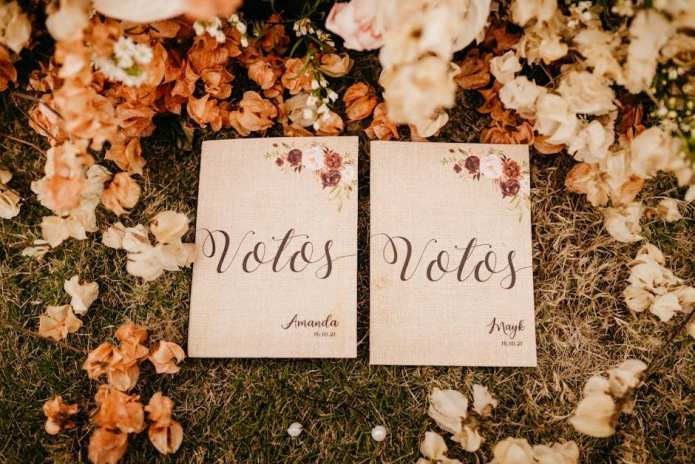
As you sit down to prepare your wedding invitations, you may find yourself feeling a surge of emotion. After all, this is one of the most important days of your life, and you want to ensure that every detail is just right. One detail that may cause you some stress is how to properly address the invitation to a family. You want to make sure that everyone feels included and valued, and that can be a daunting task. But fear not, we’re here to help guide you through the process of addressing a wedding invitation to a family with grace and thoughtfulness. Let’s dive in, and make sure every family member feels the love and excitement that you’re sending their way.
Table of Contents
- The importance of addressing the entire family
- Personalizing the invitation for each family member
- Including children in the formal address
- Choosing the appropriate form of address for married couples
- Considering the preferences of the family
- Offering special accommodations for family members
- Keeping the tone warm and welcoming for the whole family
- Q&A
- In Conclusion

The importance of addressing the entire family
Weddings are joyous occasions that bring together not just two individuals, but also their families. It’s crucial to address the entire family unit when sending out wedding invitations, as it demonstrates respect and inclusion for everyone involved. Addressing a wedding invitation to the entire family ensures that each member feels valued and acknowledged, strengthening the bonds between both families.
When addressing a wedding invitation to a family, it’s important to consider each member by name. This not only shows that you’ve taken the time to recognize and include each individual, but it also avoids any assumptions about who will be attending. In some cases, families may have children who are still living at home, so addressing the invitation to the entire family avoids any confusion about who is invited. By taking this approach, you’re acknowledging the importance of each family member and ensuring that everyone feels welcomed and honored.
Furthermore, addressing the entire family in a wedding invitation is a simple yet powerful way to show inclusivity and consideration. It sets the tone for a warm and inviting event where all family members are valued and cherished. Taking the time to address the entire family in a wedding invitation can also set the stage for positive relationships between the families, creating a sense of unity as two individuals come together in marriage.
In conclusion, addressing a wedding invitation to the entire family is a thoughtful gesture that promotes inclusivity and respect. It’s a small detail that can make a significant impact on the overall wedding experience, ensuring that all family members feel welcomed and valued. By taking this approach, you’re not only showing consideration for each individual, but you’re also setting the stage for a harmonious gathering that celebrates the union of two families.

Personalizing the invitation for each family member
When it comes to addressing a wedding invitation to a family, it’s important to personalize the invitation for each family member. This shows a thoughtful and considerate approach, making each person feel important and valued. There are a few ways to ensure that each family member feels included and acknowledged in the invitation.
One way to personalize the invitation is to address it to the entire family using their last name. For example, “The Smith Family” is a warm and inclusive way to invite the entire household. This approach is especially suitable for families with children or extended family members living together. It acknowledges that the invitation is intended for everyone in the family unit.
Another method is to address each family member by name on the invitation. This is a more individualized approach that can make each person feel special. Whether it’s “Mr. and Mrs. Smith” for the parents, or “John and Emily Smith” for the children, taking the time to address each family member by name shows that you value their presence at the wedding.
In some cases, you may also need to include specific details, such as dietary restrictions or accessibility needs, for individual family members. By customizing the invitation in this way, you demonstrate that you care about their well-being and want to accommodate their needs. This level of personalization can go a long way in making each family member feel truly welcomed and honored to attend the wedding.
Including children in the formal address
When it comes to addressing a wedding invitation to a family, it’s important to make sure that every member of the household feels included. This includes the children as well, who are often left out of the formal address on invitations. not only shows that you are thinking of the entire family unit, but it also adds a personal touch to the invitation.
One way to include children in the formal address is by addressing the invitation to the entire family. For example, you can use “The Smith Family” as the recipient on the outer envelope. This signals that the invitation is intended for the entire household, including the children. Another option is to list the names of the parents on the outer envelope, and then include the children’s names on the inner envelope. This ensures that the children feel included and acknowledged in the invitation.
Addressing a wedding invitation to a family in this inclusive way not only makes the recipients feel valued, but it also sets a positive tone for the upcoming celebration. It shows that the couple getting married wants to celebrate with the whole family, not just the adults. By , you are sending a warm and welcoming message to the entire family.

Choosing the appropriate form of address for married couples
When it comes to addressing wedding invitations to a married couple, it’s important to choose the appropriate form of address that respects both individuals. One common option is to address the invitation to “Mr. and Mrs. [Husband’s Full Name].” While this has been the traditional form of address, many couples today prefer a more modern and inclusive approach.
An alternative and more contemporary option is to address the invitation to both individuals by their full names, such as “Ms. [Wife’s Full Name] and Mr. [Husband’s Full Name].” This form of address recognizes both partners as individuals in their own right, rather than assuming that the husband’s identity takes precedence.
Another inclusive option is to use a non-gender-specific form of address, such as “Mr. [Husband’s Full Name] and Ms. [Wife’s Full Name]” or “Mx. [Husband’s Full Name] and Mx. [Wife’s Full Name].” These forms of address are particularly appropriate for couples who do not conform to traditional gender norms or who simply prefer a more modern and egalitarian approach.
Regardless of the form of address you choose, the most important thing is to communicate your respect for both individuals as equal partners in their marriage. By carefully considering the form of address on your wedding invitations, you can show your thoughtfulness and consideration for the couple’s preferences.

Considering the preferences of the family
When it comes to sending out wedding invitations, considering the preferences of the entire family is crucial to ensure that every member feels included and valued. Addressing the invitation to the family as a whole shows respect for their unity and reinforces the idea that the wedding is a celebration for everyone to enjoy. It also helps to avoid any potential discomfort or confusion that may arise from leaving out certain family members.
One option for addressing a wedding invitation to a family is using the traditional format of including the family name on the outer envelope. This can be done by simply writing “The Smith Family” on the front, which indicates that the invitation is intended for all members of the household. This approach is not only convenient, but it also conveys a sense of warmth and inclusivity that is perfect for a joyous occasion like a wedding.
Another alternative to consider is addressing the invitation to each individual family member by name. This approach allows for a more personal touch and shows that each person is thought of and invited individually. It can be especially meaningful for families with older children who may appreciate receiving their own invitation. Ultimately, choosing the best way to address a wedding invitation to a family depends on the specific dynamics and preferences of the individuals involved. By considering the unique makeup and dynamics of each family, couples can ensure that every member feels welcomed and honored.

Offering special accommodations for family members
When addressing wedding invitations to families, it’s essential to consider special accommodations for family members. One of the most important things to consider is whether the family includes children or elderly relatives who may require specific accommodations for the wedding ceremony and reception. Here are some tips for addressing wedding invitations to families with special accommodations in mind.
**Consider including children in the invitation:**
If the family you are inviting includes children, it’s essential to consider their needs when addressing the invitation. You can address the invitation to “The Smith Family” and include all members of the family in the invitation. You can also consider including a note on the RSVP card asking about the number of children attending to ensure that you can make the necessary accommodations for them.
Accommodations for elderly relatives:
If the family includes elderly relatives who may require special accommodations, it’s important to address their needs as well. Consider including a note in the invitation or contacting the family directly to inquire about any specific accommodations that may be needed. This could include wheelchair access, seating arrangements, or any other considerations to ensure their comfort and enjoyment at the wedding.
Consider dietary restrictions or special needs:
In addition to physical accommodations, it’s also essential to consider any dietary restrictions or special needs that family members may have. This could include allergies, dietary restrictions, or any other special considerations. Including a note on the RSVP card asking about any dietary restrictions or special needs can help you make sure that all family members are accommodated and feel included in the wedding celebration.
In conclusion, addressing wedding invitations to families with special accommodations in mind is an essential part of ensuring that all family members feel welcome and included in the celebration. Taking the time to consider these accommodations and communicate with the family directly can help to create a memorable and inclusive experience for everyone involved.

Keeping the tone warm and welcoming for the whole family
When it comes to addressing a wedding invitation to a family, it’s important to keep the tone warm and welcoming for everyone involved. Addressing the invitation in a way that includes all family members shows that you value their presence and want them to feel included in this special occasion.
To keep the tone warm and welcoming, consider addressing the invitation to “The Smith Family” or “The Smiths”. This inclusive wording shows that you are inviting the entire family unit, regardless of age or relationship to the recipients. It sets the stage for a joyous and inclusive celebration where everyone feels welcome.
Another way to keep the tone warm and welcoming is to personalize the invitation with a heartfelt note. Consider adding a brief, handwritten message inside the invitation expressing your excitement to celebrate with the entire family. This personal touch can make all the difference in making the recipients feel valued and welcome. It shows that you are genuinely looking forward to having them all present on your special day.
In addition, when using unnumbered lists, you can provide examples of warm and welcoming tones to address to different family structures, such as:
– “The Smith Family”
– “The Smiths”
– “The Smith-Rodriguez Family”
– “The Rodriguez-Sanchez Family”
Overall, by keeping the tone warm and welcoming, you are setting the stage for a wedding celebration that is inclusive and joyful for the whole family.
Q&A
Q: I’m so excited to send out my wedding invitations, but I’m not sure how to address them to families. Can you help?
A: Of course! I’d be happy to assist you with that.
Q: How do I address an invitation to a family with children?
A: When addressing the outer envelope, it’s proper to address it to “The Smith Family.” On the inner envelope, you can list the first names of the children.
Q: What if the family has adult children who no longer live at home?
A: In this case, you would address the outer envelope to “Mr. and Mrs. Smith” and then list the names of the adult children on the inner envelope.
Q: Should I include the children’s names on the invitation itself?
A: Traditionally, the children’s names are not included on the actual wedding invitation. However, if you’re having a more casual or family-friendly wedding, you can include their names on a separate line.
Q: What if the family has a blended dynamic with stepchildren?
A: It’s important to be sensitive to the family dynamics. You can either list all the children’s names on the inner envelope or opt for a more general approach by addressing the outer envelope to “The Smith Family.”
Q: I want to make sure everyone feels included and valued. Any additional tips?
A: Just be sure to communicate your inclusivity and warmth through the overall tone of the invitation. Including a personalized note or using language that conveys your excitement to celebrate with the entire family can go a long way.
In Conclusion
As you prepare to send out your wedding invitations, remember the importance of addressing them correctly to each family. It may seem like a small detail, but it can make a big difference in how your guests feel when they receive their invitation. Taking the time to address each family member by name shows them that they are valued and appreciated.
So, as you sit down with your pen and address book, take a moment to think about each family and how you want them to feel when they open their invitation. Your thoughtfulness and attention to detail will surely be appreciated by all. And as you work on perfecting the details of your special day, remember that it’s the love and care you put into every aspect that will truly make your wedding day unforgettable. Cheers to love and happiness!


