


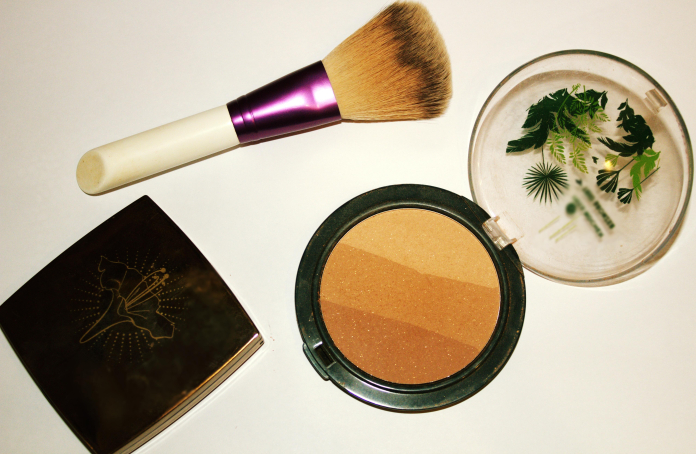
Looking to add some definition and depth to your face? Contouring with makeup can help you achieve a more sculpted and polished look. Whether you’re a beginner or an experienced makeup enthusiast, learning the art of facial contouring can take your makeup game to the next level. In this article, we’ll walk you through the steps to achieve a perfectly contoured face, so get ready to enhance those cheekbones and define that jawline!
Table of Contents
- Creating a Flawless Base for Contouring
- Choosing the Right Contouring Products for Your Skin Tone
- Understanding the Different Contouring Techniques
- Blending and Finishing for a Natural Look
- Enhancing Your Contoured Look with Highlighting
- Q&A
- In Conclusion
Creating a Flawless Base for Contouring
Before you start contouring your face with makeup, it’s crucial to create a flawless base to work with. A smooth, even complexion will provide the perfect canvas for your contouring efforts, ensuring that your finished look is natural and well-blended.
Here are some essential steps to help you create a flawless base for contouring:
- Start by cleansing your skin to remove any dirt, oil, and makeup residue. This will ensure that your makeup goes on smoothly and lasts longer.
- Apply a hydrating primer to moisturize and prep your skin for makeup application. This will help your foundation and contour products adhere better and stay in place throughout the day.
- Choose a foundation that matches your skin tone and apply it evenly all over your face. Blend it well, especially around the jawline and hairline, to avoid any harsh lines.
- Conceal any blemishes, dark circles, or imperfections with a creamy concealer. Use a shade that matches your skin tone to achieve a natural, seamless finish.
- Set your base makeup with a translucent setting powder to prevent shine and ensure long-lasting wear. This step is crucial for creating a smooth, matte surface for your contouring products.
Choosing the Right Contouring Products for Your Skin Tone
When it comes to contouring your face with makeup, choosing the right products for your skin tone is crucial to achieving a natural and flawless look. Contouring is all about enhancing your facial features and creating dimension, so it’s important to select shades that complement your skin tone.
For fair skin tones, opt for cool-toned contour powders or creams that are one to two shades darker than your natural skin tone. Avoid products with too much warmth or orange undertones, as they can look unnatural on fair skin. If you have a medium skin tone, look for contour products with a mix of warm and cool undertones to add depth and warmth to your complexion. For those with deeper skin tones, choose contour shades that are rich in pigment and have warm undertones to create definition and sculpt the face.
Understanding the Different Contouring Techniques
Contouring is a popular makeup technique that can help accentuate and define your facial features. There are several different contouring techniques that you can use to achieve various looks. Understanding these different techniques can help you choose the best method for your face shape and desired outcome.
Here are some popular contouring techniques:
- Traditional Contouring: This technique involves using a darker shade of makeup to define the natural shadows of your face, such as your cheekbones, jawline, and forehead.
- Highlighting and Sculpting: This method combines contouring with highlighting to create a more three-dimensional look. It involves using a highlighter to bring light to the high points of your face, such as the bridge of your nose and cheekbones, while also contouring the natural shadows.
- Drapping: This technique utilizes blush to contour the face, creating a soft, flushed look that emphasizes the natural contours of the face.
Each of these techniques can help you achieve different makeup looks, from a subtle, natural contour to a more dramatic, sculpted appearance. Experimenting with these methods can help you find the perfect contouring technique for your individual style.
Blending and Finishing for a Natural Look
When it comes to achieving a natural, flawless look with makeup, blending and finishing are key. Properly blending your makeup can help to create a seamless transition between colors and textures, while finishing touches can set your makeup in place for a long-lasting, polished look.
For a natural contour, it’s important to choose the right products and tools. Use a cream or powder contour that is one to two shades darker than your natural skin tone, and a highlighter that is one to two shades lighter. Opt for a contour brush or makeup sponge for precise application, and always start with a small amount of product, building up as needed.
Blend your contour and highlighter seamlessly for a natural finish, using gentle sweeping motions. Focus on the areas where shadows naturally fall on your face, such as the hollows of your cheeks, the sides of your nose, and along the hairline. Use a blending brush or makeup sponge to soften any harsh lines, and finish with a translucent setting powder to lock your makeup in place for a flawless, natural look that lasts all day.
Enhancing Your Contoured Look with Highlighting
Highlighting is an essential step in contouring your face with makeup. By strategically placing highlighter on certain areas of your face, you can enhance your natural features and create a contoured look that appears more sculpted and defined. Here are some tips for :
1. Choose the right highlighter: Look for a highlighter that complements your skin tone and has a subtle shimmer. Cream and powder highlighters are popular choices, but you can also use liquid highlighter for a more dewy finish.
2. Focus on the high points: Apply highlighter to the high points of your face, including the cheekbones, brow bone, bridge of the nose, and cupid’s bow. These areas naturally catch the light and will give your face a radiant glow.
3. Blend, blend, blend: After applying your highlighter, be sure to blend it seamlessly into your skin to avoid any harsh lines or patches. Use a beauty sponge or a fluffy brush to blend the highlighter for a natural finish.
Q&A
Q: What is contouring in makeup?
A: Contouring is a makeup technique used to define and enhance the natural structure of the face by using light and dark shades.
Q: How do I choose the right contour products for my skin tone?
A: Look for a contour shade that is a few shades darker than your natural skin tone and a highlight shade that is a few shades lighter.
Q: What are the essential tools for contouring?
A: You will need a contour brush, a highlighter brush, and a makeup sponge or beauty blender.
Q: What are the key areas to contour on the face?
A: The key areas to contour are the hollows of the cheeks, the jawline, the sides of the nose, and the temples.
Q: How do I apply contour and highlight products?
A: Use the contour shade to create shadows in the desired areas and the highlighter to bring forward the high points of the face.
Q: Do I need to blend my contour and highlight products?
A: Yes, blending is key to achieving a natural and seamless look. Make sure to blend out any harsh lines using a makeup sponge or brush.
Q: Can I contour and highlight every day?
A: Absolutely! Contouring and highlighting can enhance your natural features and can be a great addition to your everyday makeup routine.
Q: Any tips for beginners?
A: Practice makes perfect! Start with a light hand and gradually build up the product for a more natural look. Don’t be afraid to experiment and have fun with it!
In Conclusion
In conclusion, mastering the art of contouring can take some practice, but with the right techniques and products, you can achieve a beautifully sculpted look for any occasion. Remember to blend, blend, blend and have fun experimenting with different contouring methods to find what works best for your unique face shape. With a little time and patience, you’ll be contouring like a pro in no time! Don’t be afraid to get creative and unleash your inner makeup artist. Happy contouring!


