


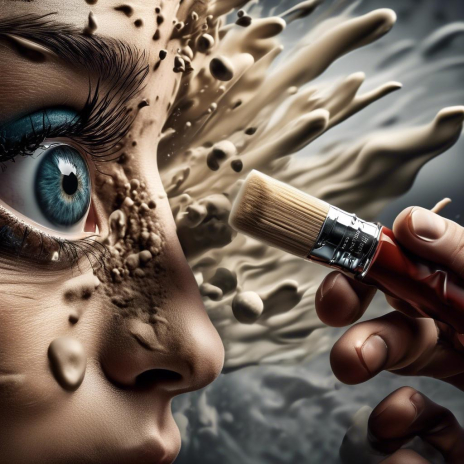
As a crucial step in the process of preparing a surface for painting, the application of primer can significantly impact the quality and longevity of the finished product. Whether you are working on a small-scale DIY project or a large-scale commercial undertaking, understanding when to apply primer is essential for achieving professional results. In this article, we will explore the optimal timing for the use of primer and the benefits it offers in ensuring a successful and lasting paint job.
Table of Contents
- Reasons for Using Primer in Your Painting Projects
- How to Determine When Primer is Necessary
- Top Surfaces That Require Primer Application
- Important Considerations Before Applying Primer
- Understanding Different Types of Primer and Their Uses
- Best Practices for Applying Primer on Different Surfaces
- Tips for Achieving the Best Results with Primer
- Common Mistakes to Avoid When Using Primer
- Q&A
- Future Outlook
Reasons for Using Primer in Your Painting Projects
Using primer in your painting projects is essential for achieving a professional and long-lasting finish. Primer acts as a base coat for your paint, providing a smooth and uniform surface for the paint to adhere to. There are several reasons why you should always use primer before painting, whether you are working on a small DIY project or a large-scale commercial job.
One of the main reasons for using primer is to ensure proper adhesion of the paint to the surface. When you apply primer, it creates a bond between the surface and the paint, preventing peeling, cracking, and chipping. Additionally, primer helps to seal any porous surfaces, such as wood or drywall, preventing the paint from being absorbed unevenly and leading to a blotchy finish. This is especially important when painting over surfaces with stains, discoloration, or damage, as primer can help to hide imperfections and create a more even and professional-looking result.
Moreover, using primer can also save you time and money in the long run. By providing a stable and uniform base for the paint, primer can reduce the number of paint coats needed to achieve full coverage, ultimately saving you paint and labor costs. In the end, using primer results in a more durable and attractive finish, making it a crucial step in any painting project. Whether you are painting interior walls, exterior surfaces, or furniture, never underestimate the importance of using primer for a flawless end result.
| Reasons to use primer |
| Ensures proper adhesion of paint |
| Seals porous surfaces |
| Saves time and money |
| Creates a durable and professional finish |
How to Determine When Primer is Necessary
Have you ever wondered when it’s necessary to use primer before painting a surface? Primer is an essential part of the painting process, but knowing when to use it can sometimes be a bit confusing. Let’s delve into the factors that determine when primer is necessary so that you can achieve the best results for your painting projects.
First and foremost, it’s important to consider the type of surface you’re working with. Porous surfaces such as bare wood, drywall, and plaster typically require primer to seal the surface and provide a smooth base for the paint to adhere to. Additionally, surfaces that have been previously painted with a glossy finish may also benefit from the use of primer to ensure proper adhesion of the new paint. On the other hand, non-porous surfaces like metal and previously painted walls may not always require primer, but certain conditions such as peeling or chalking paint may necessitate the use of a primer.
Another important factor to consider is the type of paint that you plan to use. If you’re applying a latex paint over an oil-based surface, using a bonding primer can help promote adhesion and prevent peeling or flaking. Similarly, if you’re painting a surface that is prone to stains, such as water damage or smoke residue, using a stain-blocking primer can help prevent the stains from bleeding through the new paint. In general, using a primer that is specifically designed for the type of surface and paint you’re using will ensure the best possible results for your painting project.
In conclusion, the decision of whether or not to use primer ultimately depends on the specific surface and paint you’re working with. By considering factors such as the surface porosity and the type of paint being used, you can determine when primer is necessary to achieve a professional and long-lasting finish for your painting projects.
Top Surfaces That Require Primer Application
When it comes to painting or applying new finishes to surfaces, using a primer is crucial for ensuring a smooth and long-lasting result. But not all surfaces require a primer, and it’s important to know which ones do. Here are the :
Wood:
Wood surfaces, especially those that are porous or have been previously painted or stained, require a primer before applying a new coat of paint. This helps seal the wood and creates a smooth base for the paint to adhere to.
Metal:
Metal surfaces, such as iron, steel, or aluminum, also require a primer to prevent rust and corrosion. Primer helps to create a barrier between the metal and the elements, ensuring a longer lifespan for the finish.
Drywall:
When painting new drywall or repairing damaged areas, using a primer is essential for achieving an even and consistent finish. Primer helps to seal the porous surface of the drywall and create a uniform base for the paint.
Masonry:
Surfaces such as concrete, brick, or stucco benefit from primer application to improve adhesion and prevent moisture penetration. Using a primer on masonry surfaces also helps to create a more uniform and professional-looking finish.
Plastic:
Certain types of plastic, such as PVC or ABS, require a specialized primer to promote adhesion and ensure the durability of the finish. Using the appropriate primer for plastic surfaces is essential for achieving a long-lasting result.
In conclusion, knowing when to use primer is essential for achieving professional and long-lasting results when painting or finishing various surfaces. By understanding which surfaces require primer application, you can ensure that your projects are durable, visually appealing, and resistant to wear and tear.
Important Considerations Before Applying Primer
Before reaching for the primer, there are important considerations to keep in mind to ensure that the application process goes smoothly and yields the best results. Here are the key factors to take into account before applying primer:
Type of Primer: It’s crucial to choose the right type of primer for the surface you’re working on. Whether it’s for wood, metal, or drywall, using the appropriate primer will ensure proper adhesion and long-lasting results.
Surface Preparation: The success of primer application heavily relies on thorough surface preparation. Make sure the surface is clean, dry, and free of any dust, grease, or debris. Sanding the surface to create a smooth and even texture can also enhance the primer’s bonding capabilities.
Environmental Conditions: Pay attention to the environmental conditions when applying primer. Ensure that the temperature and humidity levels are within the recommended range for the primer you’re using. Extreme weather conditions can affect the primer’s drying time and adhesion, so it’s important to work in suitable conditions for the best outcome.
Applying the primer at the right time and under the right conditions will set the stage for a successful painting project. By considering these factors beforehand, you can ensure that the primer does its job effectively and sets the foundation for a flawless paint job.
Understanding Different Types of Primer and Their Uses
Primer is a crucial part of any painting or surface finishing project, as it helps to prepare the surface for the application of paint or other materials. There are different types of primers available, each designed for specific purposes and surfaces. Understanding the different types of primer and their uses is essential for achieving the best results in your projects.
One common type of primer is the oil-based primer, which is suitable for covering stains, knots, and other imperfections in wood surfaces. This type of primer provides excellent adhesion and seals the surface, making it ideal for use on interior and exterior woodwork. Another commonly used primer is the latex-based primer, which is suitable for use on drywall, plaster, and masonry surfaces. This type of primer is easy to clean up with water, making it a convenient option for many DIY projects.
In addition to these, there are also specialty primers available for specific surfaces and purposes, such as metal primers, bonding primers, and high-build primers. Understanding the specific requirements of your project and the surface you are working with will help you choose the right type of primer for the job. Whether you are painting a wall, refinishing furniture, or working on a larger project, using the appropriate primer will ensure a smooth and long-lasting finish.
Best Practices for Applying Primer on Different Surfaces
When it comes to applying primer on different surfaces, there are several best practices to keep in mind to ensure a smooth and long-lasting finish. Primer serves as a crucial step in the painting process, as it helps to create a uniform surface for the paint to adhere to, enhances the durability of the paint, and improves the overall appearance of the final coat. Whether you are working with wood, drywall, metal, or other surfaces, following the best practices for applying primer will help you achieve professional-looking results.
One of the most important best practices for applying primer is to properly prepare the surface beforehand. This includes cleaning the surface to remove any dirt, grime, or grease, as well as sanding and smoothing any imperfections. Additionally, it is essential to choose the right type of primer for the specific surface you are working with. For example, there are primers designed specifically for wood, metal, concrete, and other materials. Using the correct primer will ensure optimal adhesion and coverage.
Another best practice is to apply the primer using the appropriate tools and techniques. Using a high-quality brush, roller, or sprayer can make a significant difference in the final outcome. Additionally, it is important to apply the primer evenly and in thin coats to avoid drips, runs, or uneven coverage. Taking the time to apply the primer carefully will result in a smoother and more professional-looking finish. By following these , you can achieve excellent results and ensure the longevity of your paint job.
Tips for Achieving the Best Results with Primer
Putting on primer is an essential step in any makeup routine. It not only helps to create a smooth base for your makeup but also ensures that your makeup lasts all day. If you want to achieve the best results with primer, here are some tips to consider:
Choose the Right Primer for Your Skin Type:
There are various types of primers available, such as hydrating, mattifying, pore-minimizing, and color-correcting. It’s essential to choose a primer that suits your skin type. If you have dry skin, opt for a hydrating primer, while those with oily skin can benefit from a mattifying primer.
Apply Primer After Moisturizer and Before Foundation:
After moisturizing your face, apply a small amount of primer evenly to your skin. It’s crucial to let the primer sit for a few minutes before applying your foundation. This allows the primer to create a smooth canvas for your makeup and ensures that it adheres well to your skin.
Use a Makeup Sponge or Brush to Apply Primer:
Instead of using your fingers, use a makeup sponge or brush to apply the primer. This will help to distribute the product evenly and ensure that it’s not applied too thickly in certain areas.
Consider Using a Setting Spray:
If you want to ensure that your makeup stays in place all day, consider using a setting spray after applying your makeup. This will help to lock in your primer, foundation, and other makeup products, giving you long-lasting results.
By following these tips, you can achieve the best results with primer and ensure that your makeup looks flawless throughout the day. Remember that the key to a successful makeup application is a well-prepared base, and primer plays a crucial role in achieving that.
Common Mistakes to Avoid When Using Primer
Using primer before painting is crucial for achieving a professional-looking finish, but there are common mistakes that DIYers often make when applying primer. By avoiding these mistakes, you can ensure that your primer does its job effectively and provides a solid foundation for your paint.
One of the most common mistakes when using primer is applying it to dirty or dusty surfaces. Primer is designed to adhere to clean, smooth surfaces, so it’s important to thoroughly clean and prep the surface before applying primer. This will ensure that the primer adheres properly and provides a smooth, even base for your paint.
Another mistake to avoid is using the wrong type of primer for the surface you are working on. There are different types of primer available for different surfaces, such as wood, metal, and drywall. Using the correct primer for the specific surface you are working on will ensure that it provides the best adhesion and coverage, leading to a better end result.
In addition to these common mistakes, it’s important to apply primer at the right time. In general, primer should be applied after the surface has been cleaned and prepped, but before the paint is applied. This allows the primer to fully dry and create a stable base for the paint to adhere to. By avoiding these common mistakes and following best practices for primer application, you can ensure that your painting project turns out beautifully.
Q&A
Q: When do you put primer on?
A: Primer should be applied after cleansing and moisturizing your face, but before applying any makeup products.
Q: Why is it important to use primer?
A: Primer helps to create a smooth and even base for makeup, allowing it to last longer and adhere to the skin better. It also helps to minimize the appearance of pores and fine lines.
Q: Should primer be used for all types of makeup?
A: Yes, primer can be used for all types of makeup including foundation, eyeshadow, and lipstick. There are specific primers available for different areas of the face.
Q: Can primer be used on all skin types?
A: Yes, there are different types of primers available for different skin types, including dry, oily, and combination skin. It is important to choose a primer that is suitable for your specific skin type.
Q: How much primer should be used?
A: A dime-sized amount of primer is typically enough to cover the entire face. It should be applied with clean fingers or a makeup sponge, and evenly distributed over the skin.
Q: Can primer be used without any other makeup?
A: Yes, primer can be used on its own to create a smooth and even complexion, without the need for any additional makeup. It can also be used as a base for skincare products.
Future Outlook
In conclusion, understanding the importance of primer and knowing when to apply it is crucial for achieving a flawless and long-lasting finish for your paint job. By following the guidelines provided in this article, you can ensure that your project receives the necessary preparation it requires for a professional and polished result. Remember, proper surface preparation is key to achieving a high-quality paint job, and primer plays a vital role in this process. Thank you for taking the time to read this article, and we hope it has been informative and helpful in your painting endeavors.


