


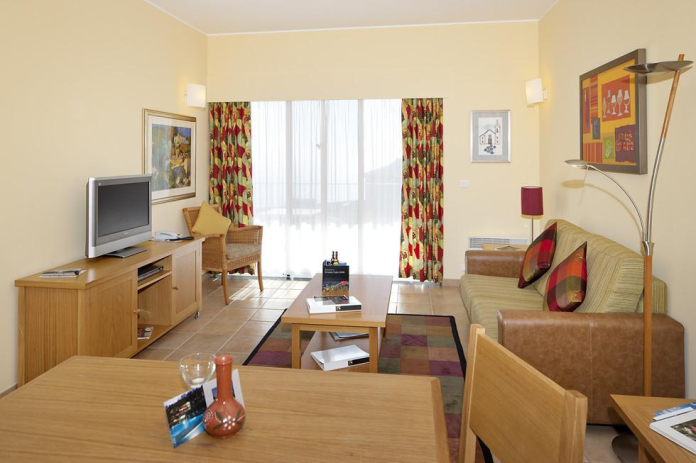
Living in a hotel is a unique experience that presents both benefits and challenges. As the hospitality industry continues to evolve, more individuals are opting to make hotels their temporary or even permanent residence. This article explores the practicalities and considerations of hotel living, shedding light on the various aspects that make it an increasingly appealing lifestyle choice for many. From amenities and services to the financial implications, this piece delves into the nuances of residing in a hotel and the implications it has on one’s day-to-day life.
Table of Contents
- Benefits of Long-Term Hotel Living
- Choosing the Right Hotel for Extended Stays
- Making a Hotel Room Feel Like Home
- Maximizing Value and Amenities for Extended Hotel Living
- Navigating the Logistics of Hotel Living
- Q&A
- To Wrap It Up
Benefits of Long-Term Hotel Living
Long-term hotel living has become an attractive option for many individuals and families seeking temporary housing solutions. There are several benefits to choosing this lifestyle, including:
- Flexibility: Long-term hotel living provides the flexibility to move in and out without the hassle of signing a lease or dealing with utilities and maintenance.
- Amenities: Hotels offer a wide range of amenities such as housekeeping, fitness centers, swimming pools, and complimentary breakfast, making it a convenient and comfortable living arrangement.
- Convenience: With on-site restaurants, room service, and 24-hour staffing, hotel living offers a level of convenience that is hard to match in traditional apartments or rental homes.
Furthermore, the cost of long-term hotel stays can be more affordable than renting a fully furnished apartment or house, especially when factoring in the amenities and services provided. So, for individuals or families seeking a hassle-free and comfortable living arrangement, long-term hotel living can be a practical and appealing option.
Choosing the Right Hotel for Extended Stays
Extended stays require careful consideration when choosing a hotel to call home for an extended period. There are several factors to keep in mind to ensure a comfortable and enjoyable stay. When searching for the right hotel for an extended stay, it’s important to consider amenities, location, and cost to make the best decision possible.
**Amenities**: Look for hotels that offer amenities suitable for extended stays, such as a kitchenette, laundry facilities, and complimentary breakfast. These amenities can make your stay more convenient and cost-effective in the long run.
**Location**: Consider the location of the hotel in relation to your daily activities and any attractions you plan to visit. A centrally located hotel can save time and money on transportation during an extended stay.
**Cost**: Compare the cost of extended stays at different hotels, taking into account any discounts or loyalty programs offered. Many hotels offer special rates for extended stays, so be sure to inquire about any available deals.
When choosing the right hotel for an extended stay, it’s important to carefully consider amenities, location, and cost to ensure a comfortable and enjoyable experience. By taking the time to research and compare options, you can find the perfect hotel to call home during your extended stay.
Making a Hotel Room Feel Like Home
Staying in a hotel can sometimes feel impersonal and lacking that homely touch, but there are plenty of ways to make a hotel room feel like home. By adding personal touches and making use of the amenities at hand, you can create a cozy and comfortable environment during your stay.
One of the first things to consider is bringing along some of your favorite items from home. Whether it’s a pillow that you find particularly comfortable, a scented candle that reminds you of home, or a framed photograph of loved ones, these personal items can help to create a sense of familiarity and comfort in your hotel room. Additionally, making use of the hotel’s amenities, such as the fitness center, swimming pool, or spa, can also help to create a sense of routine and relaxation during your stay.
Maximizing Value and Amenities for Extended Hotel Living
When it comes to extended hotel living, there are numerous ways to maximize your value and amenities to make your stay as comfortable and enjoyable as possible. One of the key factors to consider is choosing a hotel that offers long-term stay discounts, extended stay packages, and special amenities for guests looking to stay for an extended period of time. Additionally, it’s important to consider the location of the hotel, as well as the availability of on-site amenities such as laundry facilities, fitness centers, and dining options.
Another way to maximize the value of extended hotel living is to take advantage of loyalty programs and rewards offered by hotel chains. By becoming a member of a hotel’s loyalty program, you can earn points for each night’s stay, which can then be redeemed for free nights, room upgrades, and other perks. This can significantly enhance the value of your extended stay and make it more affordable in the long run. Moreover, if you’re planning on staying in a hotel for an extended period of time, consider reaching out to the hotel’s management to discuss the possibility of negotiating a special rate for your stay. Many hotels are willing to work with long-term guests to offer discounted rates and special accommodations to ensure a pleasant and rewarding experience.
Navigating the Logistics of Hotel Living
Living in a hotel presents a unique set of logistical challenges that require careful navigation. Whether you’re temporarily staying in a hotel for business, leisure, or as a long-term living arrangement, there are several key factors to consider to make the experience as seamless as possible. From managing expenses to maintaining a sense of routine, here are some essential logistics to keep in mind when living in a hotel.
**Budgeting and Expenses:**
– Utilize hotel loyalty programs for discounts and perks
– Consider long-term stay discounts or negotiated rates with the hotel
– Keep track of additional costs such as meals, laundry, and amenities
**Day-to-Day Routine:**
– Create a schedule for housekeeping services
– Establish a designated workspace for productivity
– Utilize hotel amenities for exercise and relaxation
**Storage and Organization:**
– Maximize space with multi-functional furniture and storage solutions
– Maintain a clutter-free living environment to reduce stress
– Utilize hotel storage options for seasonal items or luggage
When , addressing these key areas can help streamline the experience and ensure a comfortable and well-managed stay.
Q&A
Q: What are the advantages of living in a hotel?
A: Living in a hotel offers convenience, as residents can access amenities such as housekeeping, room service, and on-site restaurants. Additionally, hotels often provide a high level of security and access to facilities such as swimming pools, gyms, and business centers.
Q: Is living in a hotel a cost-effective option?
A: While living in a hotel can be convenient, it is typically more expensive than traditional rental housing. However, some long-term stay or extended-stay hotels offer discounted rates for extended stays, which can make it a more affordable option for certain individuals.
Q: What are the potential drawbacks of living in a hotel?
A: Some potential drawbacks of living in a hotel include limited space for personal belongings, potential noise from other guests, and a lack of feeling of permanence or home-like atmosphere. Additionally, hotel living may not provide the same level of privacy as a traditional home or apartment.
Q: How can individuals make the most of living in a hotel?
A: To make the most of living in a hotel, individuals can take advantage of the amenities and services offered, such as concierge services, fitness facilities, and dining options. Additionally, creating a comfortable and personalized living space within the hotel room can help to make the experience more enjoyable.
To Wrap It Up
In conclusion, living in a hotel presents both advantages and challenges. While the convenience and amenities can be appealing, the lack of permanent space and potential for additional costs can be drawbacks. Whether it is as a temporary solution or as a lifestyle choice, it is important for individuals to carefully consider their needs and resources before choosing to embrace hotel living. As the hospitality industry continues to evolve, it will be interesting to see how hotel living becomes an increasingly viable housing option for individuals in the future.


