


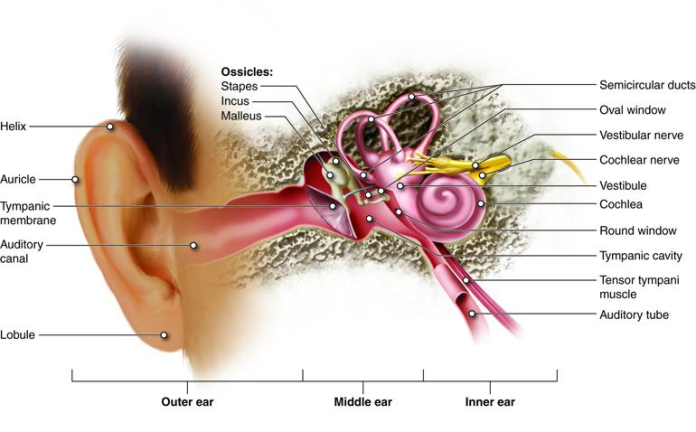
Dogs are renowned for their exceptional sense of hearing, capable of detecting sounds that are beyond the auditory range of humans. The frequency at which dogs can hear but humans cannot perceive is a fascinating and complex topic. Understanding the disparities between the auditory capabilities of dogs and humans can provide insight into the evolutionary adaptations and sensory perceptions of our canine companions. In this article, we will explore the specific frequencies that dogs can detect but are outside the range of human hearing, as well as the implications of this heightened sense of hearing for their behavior and interactions with the environment.
Table of Contents
- The Auditory Range of Dogs vs Humans: Understanding the Differences
- Exploring the Ultrasonic Spectrum: How Dogs Hear Frequencies Humans Can’t
- Implications for Training and Behavior: Utilizing Dogs’ Unique Hearing Abilities
- protecting Canine Hearing: Minimizing Exposure to Harmful High-frequency Sounds
- The Evolution of Canine Hearing: Why Dogs Developed Superior Auditory Abilities
- Q&A
- To Wrap It Up
The Auditory Range of Dogs vs Humans: Understanding the Differences
Dogs and humans both have the ability to hear, but the auditory range of dogs is quite different from that of humans. Understanding the differences in the auditory range of dogs and humans can help us better understand our canine companions and provide for their needs.
One of the key differences in the auditory range of dogs and humans is the frequency of sounds that they can detect. While humans can generally hear sounds between 20 Hz to 20,000 Hz, dogs have a much wider range, being able to hear frequencies between 40 Hz to 60,000 Hz. This means that dogs can hear higher pitched sounds that are completely inaudible to humans. This ability is a result of their evolutionary history as hunters, allowing them to detect and locate prey more efficiently.
This heightened frequency range allows dogs to not only hear sounds at a higher pitch, but also to detect sounds from a much greater distance. This sensitivity to higher frequencies can make certain noises, such as the high-pitched whine of a smoke alarm or the squeak of a dog toy, particularly uncomfortable for dogs. Understanding their unique auditory abilities can help us to create a more comfortable environment for our beloved pets.
Exploring the Ultrasonic Spectrum: How Dogs Hear Frequencies Humans Can’t
Dogs have an amazing ability to hear frequencies that are beyond the range of human hearing. While humans can typically hear sounds between 20 Hz and 20,000 Hz, dogs can detect frequencies as high as 65,000 Hz. This is due to the structure of their ears, which are designed to pick up a wider range of sounds than human ears.
One of the key reasons dogs can hear these higher frequencies is that they have a larger number of sensory cells in their ears than humans. This allows them to detect subtle variations in sound that are simply beyond our capabilities. In addition, the shape of a dog’s ear canal and the way their ear muscles work also contribute to their superior hearing abilities.
Another factor that influences a dog’s hearing range is their size and breed. Generally, smaller dogs tend to have better high-frequency hearing than larger dogs, and certain breeds have been specifically bred for their exceptional hearing abilities. For example, the Dalmatian is known for its keen sense of hearing, which is a factor that made them particularly effective as hunting and guard dogs.
Implications for Training and Behavior: Utilizing Dogs’ Unique Hearing Abilities
Dogs have the unique ability to hear frequencies that are beyond the range of human ears. While humans can hear sounds ranging from 20 Hz to 20 kHz, dogs can pick up frequencies as high as 65 kHz. This exceptional hearing ability is attributed to the structure of their ears, which includes a larger range of auditory receptors and a more highly developed cochlea than humans. As a result, dogs are capable of detecting ultrasonic sounds that are completely inaudible to us.
This difference in hearing abilities has significant implications for dog training and behavior. Understanding the range of frequencies that dogs can hear but humans cannot opens up new possibilities for communication and training methods. Utilizing ultrasonic sounds, for example, can be an effective way to communicate with dogs or to deter unwanted behavior. Additionally, being aware of the sounds that may cause discomfort or anxiety in dogs can help in creating a more comfortable and harmonious environment for our furry companions. By harnessing the power of their unique hearing abilities, we can enhance the training and well-being of dogs in various settings.
protecting Canine Hearing: Minimizing Exposure to Harmful High-frequency Sounds
Dogs are known for their superior hearing abilities compared to humans. While humans can typically hear sounds within the frequency range of 20 Hz to 20,000 Hz, dogs have a much wider range of 40 Hz to 60,000 Hz. This means that dogs can hear high-frequency sounds that are completely inaudible to humans.
Unfortunately, exposure to harmful high-frequency sounds can lead to long-term damage to a dog’s hearing. It’s important for dog owners to take steps to protect their canine companions from potentially harmful noise. Here are a few tips for minimizing your dog’s exposure to harmful high-frequency sounds:
**1. Keep your dog away from loud machinery or equipment that emits high-pitched noises, such as power tools or vacuums.
2. Avoid taking your dog to events with loud music or fireworks displays, as these can produce harmful high-frequency sounds.
3. Provide a quiet and comfortable environment for your dog to retreat to if they become overwhelmed by loud noises.**
By being mindful of the potential harm that high-frequency sounds can cause to a dog’s hearing and taking steps to minimize their exposure, pet owners can help protect their furry friends from long-term hearing damage. It’s important to be proactive in ensuring that your dog’s environment is as safe and comfortable as possible.
The Evolution of Canine Hearing: Why Dogs Developed Superior Auditory Abilities
Dogs have always been known for their keen sense of hearing, and their ability to detect sounds that are beyond the range of human capability. This is due to the evolutionary development of their auditory system, which has enabled them to hear a wider spectrum of frequencies. The evolution of canine hearing can be attributed to several factors, including their ancestry as hunters and predators, as well as their close relationship with humans over thousands of years.
One of the key factors that contribute to dogs’ superior auditory abilities is their ability to hear higher frequencies than humans. While the average human can hear sounds within the range of 20 hertz to 20,000 hertz, dogs are capable of hearing frequencies up to 65,000 hertz. This allows them to detect high-pitched sounds that are inaudible to the human ear, making them valuable assets in various tasks such as search and rescue operations, hunting, and even as early warning systems for certain health conditions. The evolution of canine hearing has undoubtedly played a crucial role in the close relationship between humans and dogs, as their exceptional auditory abilities have made them invaluable companions and working partners throughout history.
Q&A
Q: What frequency can dogs hear but not humans?
A: Dogs are capable of hearing frequencies ranging from 40 Hz to 60,000 Hz, whereas humans can only hear frequencies between 20 Hz and 20,000 Hz.
Q: Why are dogs able to hear higher frequencies than humans?
A: Dogs have a wider range of hearing due to the structure of their ears and the number of hair cells in their cochlea. This allows them to detect higher pitched sounds that are outside the range of human hearing.
Q: What types of sounds fall within the range of frequencies that dogs can hear but humans cannot?
A: Sounds that fall within the range of frequencies that dogs can hear but humans cannot include high-pitched sounds such as the squeak of a toy or ultrasonic alarms used in electronic devices.
Q: Can dogs be trained to respond to specific frequencies that are outside the range of human hearing?
A: Yes, dogs can be trained to respond to specific frequencies that are outside the range of human hearing. This can be useful in working with detection dogs or for training purposes in behavior modification.
Q: Are there any health implications related to the ability of dogs to hear high frequencies?
A: In some cases, exposure to very high frequency sound can potentially cause discomfort or stress for dogs. It is important for pet owners to be mindful of this and avoid subjecting their dogs to overly loud or high-pitched sounds.
Q: How can understanding the range of frequencies that dogs can hear benefit pet owners and professionals working with dogs?
A: Understanding the range of frequencies that dogs can hear can help pet owners and professionals working with dogs in several ways, including better understanding the potential causes of their dog’s behavior, using specific frequencies for training purposes, and minimizing exposure to sounds that may cause discomfort or stress for the animal.
To Wrap It Up
In conclusion, the ability of dogs to hear higher frequencies than humans is a fascinating aspect of their sensory perception. It is important for pet owners and researchers alike to understand and appreciate the incredible auditory capabilities of our canine companions. By recognizing their unique hearing abilities, we can better cater to their sensory needs and enhance their overall well-being. Further research in this area will continue to shed light on the intricate auditory world of dogs, deepening our understanding of their communication and behavior. As we continue to expand our knowledge of the auditory differences between dogs and humans, we can cultivate stronger relationships with our beloved pets and further enrich the bond we share with them.


