


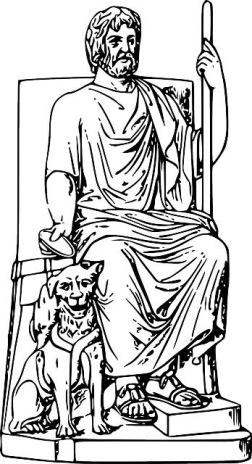
I’ll never forget the first time I heard the ancient Greek myth of Hades and Persephone. It was a dark and stormy night, and the crackling of thunder seemed to mirror the tension in the air as the story unfolded. The tale of a forbidden love, a kidnapping, and a courageous young woman’s journey into the depths of the underworld has captivated audiences for centuries. Join me as we delve into the mystifying world of Hades and Persephone, where the line between light and darkness is blurred, and love knows no bounds. Brace yourself for a chilling journey into the heart of Greek mythology.
Table of Contents
- Whispers of the Underworld: The Tale of Hades and Persephone
- A Forbidden Love Story: The Kidnapping of Persephone
- Discover the Contrasting Realms of Hades and Persephone
- Unveiling the Symbolism in the Myth of Hades and Persephone
- Defy the Darkness: Finding Hope in the Myth of Hades and Persephone
- Q&A
- Insights and Conclusions
Whispers of the Underworld: The Tale of Hades and Persephone
Have you ever heard the whispers of the underworld? The ancient tale of Hades and Persephone is a story that has captivated people for centuries. It is a tale of love, longing, and a deal struck with the ruler of the underworld. Persephone, the daughter of Demeter, was abducted by Hades and taken to the underworld, where she became his queen. This act sparked a series of events that led to a compromise between the gods and ultimately changed the course of Greek mythology.
The tale of Hades and Persephone is not just a story of kidnapping and coercion, but one of love and sacrifice. It is a reminder that even in the darkest of places, love can bloom. The story has been the inspiration for countless works of art, literature, and music, and continues to fascinate people to this day. It serves as a reminder that even in the depths of despair, there is hope and the possibility of redemption.
A Forbidden Love Story: The Kidnapping of Persephone
Imagine a love story so intense and forbidden that it resulted in the eternal changing of the seasons. This is the tale of Hades and Persephone, a kidnapping that led to a love that defied the realms of both the living and the dead. The story begins with the beautiful Persephone, daughter of the goddess Demeter, who catches the eye of Hades, god of the underworld. Hades, consumed by love and desire, kidnaps Persephone and brings her to the underworld to be his queen.
Persephone’s absence in the world above plunges the earth into a deep and endless winter, as her mother Demeter mourns her loss. In the underworld, Persephone struggles with her captivity, but as time passes, she starts to develop feelings for her captor, Hades. Their love story is one of passion, fear, and ultimately, acceptance. As the goddess of the harvest, Persephone is able to leave the underworld for a portion of the year, thus bringing the spring and summer seasons to the mortal world.
Discover the Contrasting Realms of Hades and Persephone
Deep within the realms of Greek mythology lies the intriguing tale of Hades and Persephone. These two iconic figures are central to the myths that surround the underworld and the changing of the seasons. The contrast between the dark underworld ruled by Hades and the bright earth above ruled by Persephone is a compelling story that continues to captivate audiences to this day.
Stepping into the underworld, one can sense a palpable air of mystery and suspense. Hades, the enigmatic ruler of the underworld, exudes an aura of darkness and power, while Persephone, the goddess of spring, radiates with warmth and life. The stark juxtaposition between these two figures creates a sense of duality that adds depth and complexity to the myth. As the story unfolds, one is drawn into the contrasting worlds of these captivating deities, each holding a unique sway over their respective realms.
Unveiling the Symbolism in the Myth of Hades and Persephone
When we think of the myth of Hades and Persephone, we often focus on the dramatic tale of abduction and the resulting power struggle in the underworld. However, there is much more to this ancient story than meets the eye. The symbolism within the myth offers a fascinating insight into the human experience and the cycles of life and death.
One of the most striking symbols in the tale of Hades and Persephone is the pomegranate. In Greek mythology, the pomegranate is often associated with fertility, abundance, and the cycle of life. When Persephone eats the seeds of the pomegranate in the underworld, it is said to bind her to Hades and the underworld, representing the cyclical nature of life and death. This symbolizes the inevitable entwining of the human experience with the forces of nature and the passage of time.
Defy the Darkness: Finding Hope in the Myth of Hades and Persephone
Unveiling the Tale of Hades and Persephone
Step into the underworld and discover the captivating tale of Hades and Persephone. This mythological story has been passed down through generations, captivating audiences with its themes of darkness, resilience, and hope. The enchanting myth of Hades and Persephone offers a unique perspective on finding light in the midst of darkness, making it a timeless and relevant narrative for modern audiences.
As the myth goes, Persephone, the daughter of goddess Demeter, was abducted by Hades, the ruler of the underworld. The tale unfolds with a sense of mystery and intrigue, drawing readers into the depths of the underworld and the struggles of those caught in its grasp. Despite the dark and ominous setting, the myth of Hades and Persephone ultimately offers a message of hope and resilience, demonstrating the power of perseverance and the ability to defy the darkness.
| Themes: | Resilience, Love, Power |
| Lessons: | Overcoming adversity, Finding hope in darkness |
Q&A
Q: Who is Hades and Persephone?
A: Hades is the god of the underworld in Greek mythology, while Persephone is his wife and the goddess of spring and vegetation.
Q: Why is the story of Hades and Persephone so famous?
A: This story is famous for its dramatic depiction of the abduction of Persephone and the subsequent negotiations between Hades, Persephone’s mother, Demeter, and the other gods.
Q: What is the main plot of the myth?
A: Hades abducts Persephone and takes her to the underworld to be his wife. Demeter, Persephone’s mother, is devastated and neglects her duties as goddess of agriculture. This leads to a drastic change in the seasons and the earth becomes barren.
Q: What happens after Persephone is taken to the underworld?
A: After being taken to the underworld, Persephone eats six seeds of a pomegranate, which binds her to Hades and forces her to spend six months of the year in the underworld. This is why we have seasons—when Persephone is with Hades, the earth is barren, and when she returns to the surface, spring and summer arrive.
Q: Why is the story of Hades and Persephone so suspenseful?
A: The story is suspenseful because it involves a dramatic abduction, a mother’s mourning, and a negotiation between the gods, which ultimately leads to the creation of the seasons. The myth is full of twists and turns that keep the reader engaged and curious about what will happen next.
Insights and Conclusions
And so, the tale of Hades and Persephone continues to captivate our minds and hearts with its timeless allure. As we delve deeper into the complexities of their myth, we are left with more questions than answers. What really transpired in the depths of the underworld? Was Persephone truly a willing participant in her abduction, or was she held against her will? The mystery lingers, leaving us with an insatiable desire to unravel the enigmatic web of their story. Perhaps one day, we will uncover the truth that lies buried beneath the earth, waiting to be brought into the light. Until then, the myth of Hades and Persephone will continue to reign as one of the most intoxicating and compelling tales of love and darkness in ancient Greek mythology.


