


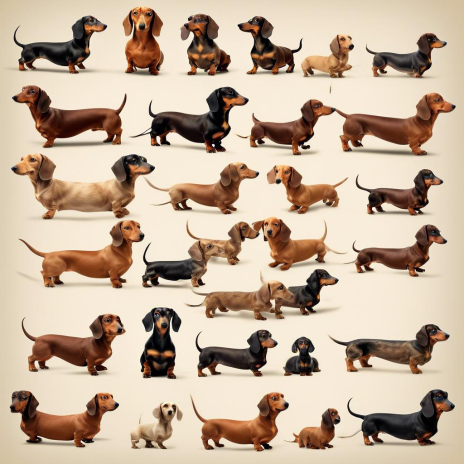
The evolution of the dachshund, a beloved breed known for its long body and short legs, is a fascinating journey that can be traced back centuries. From their origins in Germany to their role as skilled hunters, the history of dachshunds is rich with complexities and adaptations. In this article, we will delve into the evolutionary process of dachshunds, exploring the factors that shaped their distinctive physical attributes and hunting instincts. By examining their genetic lineage and historical context, we hope to gain a deeper understanding of how dachshunds have evolved into the beloved companions we know today.
Table of Contents
- Evolution of the Dachshund: A Brief History
- Ancient Origins and Ancestry of the Dachshund Breed
- Selective Breeding and Development of Dachshund Characteristics
- Impact of Hunting and Working Roles on Dachshund Evolution
- Influence of European and German Culture on Dachshund Development
- Genetic Health and Considerations in Dachshund Evolution
- Modern Challenges and Opportunities in Dachshund Breeding and Evolution
- Q&A
- Concluding Remarks
Evolution of the Dachshund: A Brief History
The dachshund, also known as the wiener dog or sausage dog, has a rich and intriguing history that dates back to the 15th century. This unique breed was originally developed in Germany to hunt badgers and other burrow-dwelling animals. Their long, slender bodies and short legs allowed them to enter and maneuver through tunnels and burrows, making them excellent hunters. Over the years, the dachshund’s hunting skills were honed, and they became a popular choice for hunting small game.
The evolution of the dachshund can be traced back to various breeds, including the hound and terrier. Their distinctive features, such as their elongated bodies and tenacious hunting instincts, were carefully bred and selected for over generations. As a result, the modern dachshund we know today embodies the perfect combination of strength, agility, and determination. With their unique physique and remarkable hunting abilities, it’s no wonder the dachshund has become a beloved companion and family pet around the world.
In the 19th century, the dachshund was recognized as a distinct breed, and its popularity continued to grow. They were often kept as household pets and were even prized by royalty. Today, dachshunds are known for their loyalty, intelligence, and playful demeanor. Their evolution from humble hunting origins to cherished household members is a testament to their enduring appeal and adaptability. The dachshund’s fascinating history has made them one of the most beloved dog breeds, admired for their courage, charm, and unwavering devotion to their owners. Evolution of the dachshund has indeed been a remarkable journey, and their legacy continues to captivate dog lovers worldwide.
Ancient Origins and Ancestry of the Dachshund Breed
The Dachshund breed, known for its unique elongated body and short legs, has a rich and ancient history that dates back thousands of years. The origins of the Dachshund can be traced to ancient Egypt, where depictions of similar-looking dogs have been found on tomb paintings and artifacts. These ancient dogs were likely used for hunting small game, thanks to their sturdy build and keen sense of smell.
As the breed continued to evolve, it made its way to Europe, particularly Germany, where it became known as the “Badger-dog” or ”Dachs-hund” in German, which translates to “badger dog.” This name is a nod to the breed’s original purpose, which was to hunt badgers and other burrowing animals. The Dachshund’s unique physique and tenacious hunting ability made it well-suited for this challenging task.
Over time, the Dachshund breed was further refined through selective breeding to produce the long-bodied, short-legged, and fearless hound that we know today. While the exact combination of breeds that contributed to the Dachshund’s genetic makeup is not fully known, it is believed that the breed shares ancestry with other ancient hunting breeds, such as the Basset Hound and the Bloodhound. Through centuries of evolution and selective breeding, the Dachshund became a beloved companion and dedicated hunter, cherished for its loyalty, intelligence, and distinctive appearance.
| Height: | 5-9 inches at the shoulder |
| Weight: | 16-32 pounds |
| Life Expectancy: | 12-16 years |
As a highly adaptable and versatile breed, the Dachshund has found success not only as a skilled hunter but also as a delightful family pet and loyal companion. Its rich and ancient origins are a testament to the breed’s enduring appeal and remarkable resilience. The Dachshund’s history is a fascinating journey that spans continents and centuries, and its unique traits continue to captivate and endear dog lovers around the world.
Selective Breeding and Development of Dachshund Characteristics
Dachshunds, known for their unique body shape and playful personality, have a fascinating history that dates back to the 15th century. The development of dachshund characteristics is the result of selective breeding practices aimed at creating a dog that excelled in hunting small game, such as badgers and rabbits. Over the centuries, breeders carefully selected traits that allowed dachshunds to excel in these tasks, resulting in the distinct breed we know today.
One of the defining characteristics of dachshunds is their elongated body, which allows them to maneuver through tunnels and burrows when hunting. This trait was developed through selective breeding to create a dog that was well-suited for hunting small game underground. Additionally, their short legs and muscular build contribute to their agility and ability to dig and navigate through rough terrain. These physical traits were honed through generations of selective breeding to create a dog that was both efficient and effective in the field.
In addition to their physical traits, dachshunds also possess a strong prey drive and keen sense of smell, making them excellent hunters. Their long, strong snouts and well-developed sense of smell allow them to track and locate prey with precision. This combination of physical and behavioral characteristics is the result of careful breeding and development, ultimately creating a versatile and effective hunting dog. Through the dedication and expertise of breeders, dachshunds have evolved into the beloved and iconic breed that we know and love today.
Impact of Hunting and Working Roles on Dachshund Evolution
Dachshunds, also known as sausage dogs or wiener dogs, are a unique and beloved breed that has a fascinating evolutionary history. One of the key factors that have contributed to the evolution of dachshunds is their hunting and working roles. These roles have had a significant impact on the physical characteristics and behavioral traits of the breed over time.
Hunting Roles
Dachshunds were originally bred in Germany to hunt badgers, and their long, low bodies and strong legs were specifically developed for this purpose. Their distinctive shape and size allowed them to enter the burrows of badgers and other small game, while their tenacious and brave nature made them effective hunters. This hunting background has contributed to the dachshund’s independent and sometimes stubborn personality, as well as their strong prey drive.
Working Roles
In addition to their hunting abilities, dachshunds have also been utilised in various working roles over the centuries. They have been used as scent dogs for tracking, as well as for roles in the military and police. Their intelligence, loyalty, and versatility have made them valuable working dogs in a variety of settings. This working background has influenced the dachshund’s adaptability, trainability, and strong sense of purpose. Overall, the hunting and working roles of dachshunds have played a crucial role in shaping their evolution and have resulted in the unique and endearing characteristics that define the breed today.
Influence of European and German Culture on Dachshund Development
The influence of European and German culture on the development of Dachshunds is undeniable. The breed’s origins can be traced back to Germany, where they were bred to hunt badgers and other small game. The word “Dachshund” itself is German, with “dach” meaning badger and “hund” meaning dog. This unique breed was specially developed to have a long, low body that would allow them to dig into burrows and tunnels to flush out their prey. The breed’s distinctive appearance and hunting abilities quickly made them popular in European culture, and they soon gained the attention of dog fanciers around the world.
European and German culture played a significant role in shaping the temperament and characteristics of the Dachshund. The breed’s tenacious and independent nature is a reflection of their hunting heritage, as they were expected to work independently to track and flush out game. In addition, Dachshunds were often favored by European nobility and royalty, further solidifying their status as a beloved companion breed. Over time, these influences have shaped the Dachshund into the playful, curious, and loyal companions that are cherished by dog lovers today.
In conclusion, the influence of European and German culture on the development of Dachshunds is evident in their history, appearance, and temperament. From their origins as skilled hunters in Germany to their popularity as beloved companions in European nobility, these influences have had a lasting impact on the breed. Today, Dachshunds continue to be cherished for their unique qualities and are a testament to the rich cultural heritage that has shaped their evolution.
Genetic Health and Considerations in Dachshund Evolution
Dachshunds are a unique breed with a fascinating evolutionary history that dates back several centuries. The development of these iconic long-bodied dogs can be traced back to 15th century Europe, where they were originally bred to hunt badgers and other burrow-dwelling animals. Over the years, dachshunds have evolved to become beloved companions, prized for their loyalty, intelligence, and distinctive appearance.
Genetic health is a crucial consideration in the evolution of dachshunds. Like all purebred dogs, dachshunds are susceptible to certain genetic health issues that can be traced back to their breeding history. Some of the common genetic health concerns in dachshunds include intervertebral disc disease, hip dysplasia, and progressive retinal atrophy. Responsible breeding practices and regular health screening can help mitigate these issues and ensure the overall well-being of the breed.
As dachshunds continue to evolve, it is important for breeders and owners to remain vigilant about genetic health considerations. By prioritizing responsible breeding and proactive healthcare, we can help ensure that dachshunds remain healthy, happy, and thriving for generations to come. Considerations in Dachshund Evolution
Genetic health is crucial in the evolution of Dachshunds
Common genetic health concerns in Dachshunds
- Intervertebral Disc Disease
- Hip Dysplasia
- Progressive Retinal Atrophy
Modern Challenges and Opportunities in Dachshund Breeding and Evolution
Dachshunds, also known as wiener dogs, are a beloved breed with a long and fascinating history. Originating in Germany, these short-legged, long-bodied dogs were originally bred for hunting small game such as badgers and rabbits. Over the years, they have evolved into popular pets and show dogs, but their breeding and evolution have also brought about some modern challenges and opportunities.
One of the biggest challenges facing dachshund breeding today is the prevalence of genetic health issues. Due to their unique shape, dachshunds are prone to back problems, including intervertebral disc disease (IVDD), which can be debilitating and expensive to treat. Responsible breeders are working to address these issues through careful selection and health testing, but it remains a concern for the future of the breed.
On the other hand, the popularity of dachshunds has also created opportunities for ethical and responsible breeding practices. With increased demand for well-bred, healthy dachshunds, breeders have the chance to make a positive impact on the breed by prioritizing health, temperament, and conformation. Additionally, the rise of designer dachshund mixes, such as the dachshund-poodle crossbreed known as the “doxiepoo,” opens up new possibilities for creating unique and healthy hybrid dogs. Ultimately, dachshund breeding and evolution continue to be complex and ever-changing, offering both challenges and opportunities for those involved in the breed.
Q&A
Q: How did dachshunds evolve?
A: Dachshunds are a unique breed with a fascinating evolutionary history. The breed can be traced back to ancient Egypt, where depictions of dogs resembling dachshunds were found in tomb paintings.
Q: What were the early roles of dachshunds?
A: Dachshunds were originally bred for hunting purposes. Their long, slender bodies and short legs made them well-suited for flushing out burrow-dwelling animals such as badgers and rabbits.
Q: How did dachshunds develop into the breed we know today?
A: Over time, dachshunds were selectively bred to emphasize certain traits, such as their distinctive elongated body and tenacious hunting abilities. The breed was further developed in Germany in the 19th century to create the modern dachshund we are familiar with today.
Q: What traits were particularly important in the development of dachshunds?
A: The unique body shape of dachshunds, with its long torso and short legs, was a key focus of breeders. Additionally, their keen sense of smell and fearless nature were also crucial in creating the versatile hunting dog we see today.
Q: How did dachshunds become popular as companion animals?
A: Dachshunds gained popularity as companion animals in the 20th century, thanks in part to their charming personalities and distinctive appearance. They became beloved pets and were recognized by kennel clubs around the world.
Q: What are some of the physical challenges associated with dachshunds’ unique body shape?
A: The elongated body and short legs of dachshunds can make them prone to back problems and intervertebral disc disease. It is important for owners to be aware of these risks and take steps to prevent injury, such as providing proper exercise and maintaining a healthy weight for their dachshunds.
Q: Are dachshunds still used for hunting purposes today?
A: While many dachshunds now lead lives as cherished companions, some still participate in hunting activities. Their keen sense of smell and courageous nature make them well-suited for tasks such as tracking wounded game and participating in earthdog trials.
Concluding Remarks
In conclusion, the evolution of dachshunds is a fascinating journey that spans centuries. From their origins as skilled badger hunters in Germany to their modern reputation as beloved family pets, dachshunds have undergone significant physical and behavioral changes. The selective breeding practices and specialized roles they played in their early development have shaped their unique characteristics and distinct appearance. As we continue to learn more about their evolution through genetic research and historical evidence, we gain a deeper understanding and appreciation for this iconic breed. It is clear that dachshunds have persevered and adapted over time, solidifying their place as one of the most beloved dog breeds around the world. Their evolution is a testament to the resilience and versatility of these remarkable animals.


