


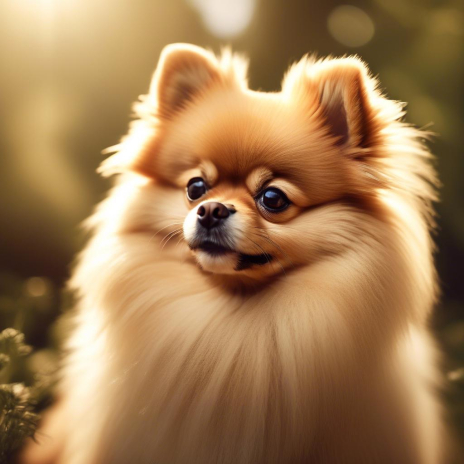
The Pomeranian is a small, fluffy breed of dog that has captured the hearts of many with its adorable appearance and charming personality. Despite its popularity, the origins of the Pomeranian breed are relatively unknown to many. In this article, we will delve into the fascinating history and origin of the Pomeranian dog, tracing its lineage and shedding light on the factors that have contributed to the development of this beloved breed. From its roots in Pomerania to its evolution into the delightful companion we know today, this article will provide a detailed exploration of the Pomeranian’s remarkable journey through time.
Table of Contents
- Origins of the Pomeranian Dog Breed
- Historical Background and Ancestry of the Pomeranian
- Influences from Different Regions on Pomeranian Development
- Evolution of Pomeranian Characteristics and Traits
- Intertwining of Pomeranian Breeding and Royalty
- Modern Pomeranian Lineage and Breed Standards
- Understanding the Pomeranian’s Origin for Responsible Ownership
- Q&A
- The Conclusion
Origins of the Pomeranian Dog Breed
The Pomeranian dog breed’s origins can be traced back to the Pomerania region, which encompassed parts of modern-day Germany and Poland. This breed is a descendant of the large sled-pulling Spitz dogs and was originally much larger than the pint-sized pups we see today. Over time, selective breeding led to the development of the smaller, compact size that has become characteristic of the Pomeranian breed.
In the 18th century, Pomeranians were brought to England by Queen Charlotte, who had a deep affection for this breed. It was in England where the Pomeranian’s popularity soared, and they were eventually bred selectively to attain the tiny size and luxurious coat that many find irresistible today.
The American Kennel Club officially recognized the Pomeranian breed in 1900, and they have since become a beloved companion animal all around the world. Despite their diminutive size, Pomeranians are known for their bold and lively personalities, making them a favorite choice for families and individuals alike. With their distinctive appearance and charming demeanor, it’s no wonder the Pomeranian has become one of the most popular toy breeds globally.
Key Points:
- The Pomeranian breed originated in the Pomerania region.
- They were initially larger and were selectively bred for their smaller size.
- Queen Charlotte played a crucial role in popularizing the breed in England.
- The American Kennel Club officially recognized the Pomeranian breed in 1900.
Historical Background and Ancestry of the Pomeranian
The Pomeranian, also known as the Zwergspitz in some countries, is a popular small breed dog that boasts a rich historical background and ancestry. This beloved toy breed is believed to have originated from the Pomerania region, which is a historical and geographical area on the southern shore of the Baltic Sea, straddling modern-day Germany and Poland. The breed is a descendant of larger sled-pulling Spitz-type dogs, and over time, it was selectively bred to achieve its small size and distinctive appearance.
Historical records indicate that the Pomeranian’s ancestors were likely used for various purposes, including herding, hunting, and as companions to the elite. The breed’s name is derived from the region of Pomerania, where it was particularly popular, and it gained favor among European nobility during the 18th century. Queen Victoria of England played a significant role in popularizing the breed in the United Kingdom, after she became enamored with the Pomeranians during her visit to Italy. With the breed’s popularity soaring, it eventually made its way to the United States and has since become a beloved companion animal for countless families.
The Pomeranian’s ancestry is intertwined with royalty and aristocracy, but its roots can be traced back to hardworking and versatile spitz-type dogs that were valued for their intelligence, agility, and loyalty. This breed’s rich historical background and ancestry have contributed to its enduring appeal and charm, making it a cherished member of households around the world.
Influences from Different Regions on Pomeranian Development
The Pomeranian dog breed has a rich history that spans different regions, each contributing to its unique development. Influences from various parts of the world have played a crucial role in shaping the Pomeranian as we know it today. Here, we explore the diverse influences that have impacted the development of this beloved breed.
-
German Influence:
The Pomeranian breed originated in the Pomerania region, which is now a part of Poland and Germany. German breeders played a significant role in refining the breed to achieve its distinct appearance and characteristics. German influence can be seen in the breed’s size, coat texture, and overall temperament. -
Polish Influence:
The Polish region also left its mark on the development of the Pomeranian breed. Polish breeders contributed to the enhancement of the breed’s coat color variations, such as the popular orange and sable colors that are characteristic of the Pomeranian breed. Additionally, Polish influence has been instrumental in promoting the breed’s popularity in various parts of the world. -
Russian Influence:
In the 18th century, the Pomeranian breed caught the attention of royalty in Russia, particularly with Catherine the Great’s fascination with the breed. Russian influence on the Pomeranian’s development can be seen in the refinement of their physical features and the emphasis on breeding for a denser coat.
The diverse influences from different regions have collectively contributed to the unique and endearing characteristics of the Pomeranian breed. This rich tapestry of influence is a testament to the breed’s enduring appeal and its ability to capture hearts around the world.
Evolution of Pomeranian Characteristics and Traits
Pomeranians are a popular breed known for their small size, fluffy coat, and lively personality. But how did these charming characteristics come to be? The evolution of Pomeranian traits dates back to their origin in the Pomerania region, which is now part of modern-day Poland and Germany. These dogs were originally working sled dogs, with a much larger size and different coat type than what we see today.
Over time, Pomeranians were bred to be smaller, eventually becoming the toy breed we know and love. This breeding process also led to the development of their trademark double coat, which consists of a soft, fluffy undercoat and a long, straight outer coat. Their lively and confident personality likely developed as a result of their transition from working sled dogs to beloved companions. Additionally, their characteristic fox-like face and bright eyes were likely honed through deliberate breeding for specific traits.
As Pomeranians gained popularity as companion animals, their traits continued to evolve through selective breeding. Today, these dogs are known for their intelligence, affectionate nature, and adaptability to various living situations. While their physical appearance has changed significantly over the centuries, their endearing traits and charming personality have remained constant, making them a beloved breed for dog lovers worldwide.
:
- Originated as working sled dogs in the Pomerania region
- Selective breeding led to smaller size and development of their trademark double coat
- Transition from working dogs to companion animals resulted in a lively, confident personality
Intertwining of Pomeranian Breeding and Royalty
The dates back to the 18th century when the breed gains popularity among European nobility, particularly in the court of Queen Victoria. Originally, Pomeranians were larger working dogs from the region now known as Poland and Germany. It was Queen Victoria’s fondness for the smaller-sized Pomeranians that led to the breed being selectively bred for a smaller size.
Pomeranians were initially bred as sheep herders and sled dogs, but their transformation into the beloved companion dogs we know today is largely credited to their association with royalty. The breed’s popularity soared after Queen Victoria began keeping and breeding them. Pomeranians soon became a fashionable accessory among the elite, and this royal connection helped solidify their place as a sought-after breed among dog enthusiasts.
Pomeranian Dog Origin Summary:
- Originated as larger working dogs in Poland and Germany
- Favoured by European nobility, particularly Queen Victoria
- Bred for smaller size and transformed into beloved companion dogs
Modern Pomeranian Lineage and Breed Standards
The modern Pomeranian breed can be traced back to the ancient region of Pomerania, which is now part of modern-day Poland and Germany. These small dogs were originally bred as working animals, specifically for herding and guarding livestock. Over time, the breed was refined and developed into the compact and fluffy Pomeranians we know today.
The American Kennel Club (AKC) recognizes the Pomeranian as a toy breed and has set specific breed standards for the modern Pomeranian lineage. These standards dictate the ideal size, coat color, temperament, and overall appearance of the breed. Pomeranians are known for their playful and extroverted personality, as well as their distinctive fluffy double coat. The breed standard also includes specific height and weight requirements, with Pomeranians typically weighing between 3 to 7 pounds.
Pomeranians come in a wide variety of colors, including but not limited to:
- Orange
- Black
- Blue
- Chocolate
- Cream
- Red
- Sable
- White
Adhering to these breed standards ensures that Pomeranians maintain their unique and desirable characteristics, making them a popular choice for dog lovers around the world. Whether as a beloved companion or a show dog, the modern Pomeranian lineage continues to captivate and charm dog enthusiasts with its delightful personality and adorable appearance.
| Size: | 3 to 7 pounds |
| Coat: | Fluffy double coat |
| Colors: | Orange, Black, Blue, Chocolate, Cream, Red, Sable, White |
Understanding the Pomeranian’s Origin for Responsible Ownership
The Pomeranian, a small and adorable breed with a fluffy coat and a lively personality, has a fascinating origin that dates back to the region of Pomerania, which is now part of modern-day Germany and Poland. This breed is a descendant of the larger Spitz-type sled dogs from the Arctic, and it was selectively bred to its current size and appearance. Understanding the Pomeranian’s origin is crucial for responsible ownership, as it provides valuable insights into the breed’s characteristics, needs, and behaviors.
The History of the Pomeranian
The Pomeranian’s ancestors were used as working dogs in the Arctic regions, where they assisted in hunting, herding, and pulling sleds. Over time, these dogs were brought to Pomerania, where they were further developed into the smaller and more refined breed known as the Pomeranian. Queen Victoria of England played a significant role in popularizing the breed, as she became an avid enthusiast and began breeding and showing Pomeranians. As a result, the breed gained popularity and became a favorite among royalty and aristocrats during the 18th and 19th centuries.
Importance of Understanding the Origin
Understanding the Pomeranian’s origin is essential for responsible ownership, as it provides valuable insights into the breed’s genetic makeup, temperament, and health requirements. By learning about the breed’s history, owners can gain a better understanding of the Pomeranian’s natural instincts, behavior patterns, and specific needs. This knowledge can help ensure that the breed is cared for appropriately, with consideration for its unique characteristics and traits. Additionally, being aware of the breed’s origin allows owners to appreciate the Pomeranian’s heritage and the role it has played in canine history.
Q&A
Q: What is the origin of the Pomeranian breed?
A: The Pomeranian breed is believed to have originated in the Pomerania region of Central Europe, which is now part of modern-day Poland and Germany.
Q: What is the history of the Pomeranian breed?
A: The Pomeranian is a descendant of the large sled-pulling Spitz dogs of the Arctic. Through selective breeding, the Pomeranian was developed into the smaller, toy-sized breed we know today.
Q: When did the Pomeranian breed become popular?
A: The Pomeranian breed became popular in the 18th century when Queen Charlotte of England had a Pomeranian imported to England from Pomerania.
Q: How did the Pomeranian breed evolve from its original form?
A: The Pomeranian breed was originally larger and used as a working dog. Through targeted breeding efforts, the size was gradually reduced to the miniature size we see today.
Q: What are some distinguishing characteristics of the Pomeranian breed?
A: The Pomeranian is known for its small size, abundant fluffy coat, and lively personality. They are highly intelligent and are loyal, but can also be stubborn at times.
Q: What is the temperament of the Pomeranian breed?
A: Pomeranians are often described as extroverted, bold, and curious. They are typically alert and aware of their surroundings, making them excellent watchdogs.
Q: What are some health concerns associated with the Pomeranian breed?
A: Pomeranians are prone to dental issues, as well as luxating patella (loose kneecaps) and collapsed trachea. Regular veterinary check-ups and dental care are important for maintaining their health.
Q: Are there any specific grooming needs for Pomeranians?
A: Pomeranians require regular brushing and grooming to maintain the fluffiness and health of their coat. Regular dental care and nail trimming are also essential for their overall well-being.
The Conclusion
In conclusion, the origin of the Pomeranian dog is a fascinating story that sheds light on the breed’s rich history and development. From its early days as a sled dog in the Arctic to its rise in popularity as a companion animal in Europe, the Pomeranian has truly come a long way. Through dedicated breeding efforts and the preservation of its unique traits, the Pomeranian has become a beloved and iconic breed around the world. As we continue to appreciate and enjoy the company of these delightful little dogs, it is important to remember and honor their origins. By understanding the breed’s history, we can better appreciate and care for these special companions, ensuring their continued well-being for generations to come.


