


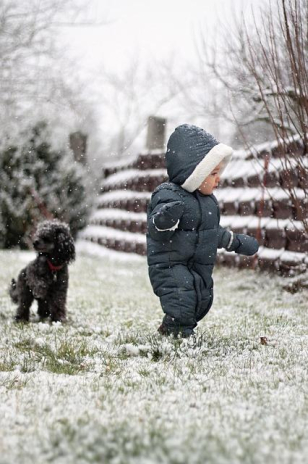
The poodle, with its distinctive curly coat and graceful demeanor, is a beloved breed among dog enthusiasts worldwide. While often associated with France, the true origins of this elegant and intelligent canine are shrouded in mystery. In order to fully appreciate and understand this beloved breed, it is essential to delve into its history and trace its origins. By exploring the historical evidence and theories surrounding the poodle’s ancestry, we can gain a deeper appreciation for this fascinating and enduring breed.
Table of Contents
- Origins of the Poodle Breed
- Historical Context and Geographic Origin
- Evolution of Poodles as Working Dogs
- Influence of Poodle Breeding on Modern Varieties
- Genetic and Physical Characteristics of Authentic Poodles
- Q&A
- Wrapping Up
Origins of the Poodle Breed
The Poodle breed has a long and storied history, with origins dating back to centuries ago. While the exact origin of the Poodle is still debated, it is widely believed that the breed originated in Germany, where they were used as water retrievers. The breed was then further developed in France, where they became popular among the upper class as companions and circus performers.
One theory regarding the origin of the Poodle suggests that the breed may have descended from the now-extinct French water dog, the Barbet. This theory is supported by the similarity in appearance and coat texture between the two breeds. Another theory suggests that the Poodle may have descended from Asian herding dogs, while others believe they may have originated in Russia. However, the most widely accepted theory is that the Poodle has German ancestry and was further developed in France.
The Poodle’s distinctive curly coat was developed to aid them in their original role as water retrievers. Their thick, curly fur helped to insulate them from the cold water while their webbed feet made them excellent swimmers. Today, the Poodle is known for its intelligence, agility, and hypoallergenic coat, making it a popular choice for service, therapy, and companion dogs.
Historical Context and Geographic Origin
Historical Context: Poodles are believed to have originated in Germany, where they were used for various purposes, including as water retrievers for hunters. Their name comes from the German word “pudel,” which means “to splash in water.” The breed’s distinctive grooming style, known as the “poodle clip,” was actually developed to help the dogs move more efficiently through the water while still protecting vital organs and joints from the cold. Over time, poodles gained popularity not only in Germany but also in France, where they became the national dog of the country.
Geographic Origin: Poodles are commonly associated with France, but their actual geographic origin is Germany. However, they have been closely linked to France since the breed was refined and standardized there during the 17th and 18th centuries. The French aristocracy took a particular liking to poodles, and the breed’s popularity soared in the country. Today, poodles are cherished all over the world for their intelligence, agility, and hypoallergenic coat, but it all started in Germany with their impressive water-retrieving skills.
Evolution of Poodles as Working Dogs
The poodle is a breed with a long history, and its evolution as a working dog is a fascinating story. Originating from Germany, the poodle was initially bred as a water retriever. They were highly valued for their intelligence, agility, and strong swimming abilities, making them ideal for tasks such as retrieving waterfowl for hunters.
As they gained popularity, poodles were also used for other tasks, showcasing their versatility as working dogs. They were employed as truffle hunters in France due to their keen sense of smell and ability to navigate rough terrain. Poodles were also used as circus performers, demonstrating their trainability and adaptability to various tasks.
Over time, poodles have continued to prove themselves in the working dog realm, excelling in diverse roles such as guide dogs for the visually impaired, therapy dogs, and even search and rescue dogs. Their evolution from water retrievers to multi-talented working dogs showcases their adaptability and intelligence, making them a beloved and reliable breed for a wide range of tasks.
| Germany | Water Retrieval |
| France | Truffle Hunting |
| Various | Circus Performers |
| Worldwide | Guide Dogs, Therapy Dogs, Search and Rescue Dogs |
To this day, poodles are valued for their intelligence, obedience, and versatility, making them a beloved choice for various working roles. Whether they are lending a helping hand to the visually impaired, providing comfort as therapy dogs, or assisting in search and rescue missions, poodles continue to showcase their exceptional abilities as working dogs. Their evolution from water retrievers to multi-talented working dogs is a testament to their enduring appeal and impressive skill set.
The Highlights:
– Originated from Germany as water retrievers
– Expanded to roles such as truffle hunters and circus performers
– Excel in diverse tasks such as guiding, therapy, and search and rescue missions
Overall, the is a testament to their adaptability, intelligence, and enduring appeal in a wide range of roles. From their origins as water retrievers to their current prominence in various working capacities, poodles continue to prove themselves as invaluable and reliable working dogs.
Influence of Poodle Breeding on Modern Varieties
The can be traced back to the breed’s origins in Germany, where it was originally used as a water retriever. Poodles were prized for their intelligence, agility, and hypoallergenic coats, making them versatile working dogs. Over time, selective breeding has led to the development of different sizes and variations within the poodle breed, including the Standard, Miniature, and Toy varieties.
The impact of poodle breeding on modern varieties is evident in the diverse range of poodle mixes, or “doodles,” that have gained popularity in recent years. These crossbreeds, such as the Labradoodle and Goldendoodle, combine the poodle’s desirable traits with those of other breeds, resulting in dogs that are well-suited for various lifestyles and purposes. Additionally, the influence of poodle breeding can be seen in the establishment of breed standards and the ongoing efforts to preserve the integrity of the poodle breed.
In summary, the has been significant, shaping the development of different poodle sizes and crossbreeds that continue to make an impact in the world of dog breeding and ownership. As the poodle breed continues to evolve, its influence on modern varieties is likely to remain a prominent force in the dog breeding community.
Genetic and Physical Characteristics of Authentic Poodles
Authentic poodles are one of the most beloved and recognized dog breeds around the world. Known for their unique genetic and physical characteristics, these dogs have a fascinating history that dates back centuries. Understanding the origin of poodles can provide valuable insight into their distinct features and traits.
The genetic makeup of authentic poodles contributes to their characteristic curly, dense coat, which is hypoallergenic and virtually non-shedding. Their webbed feet and strong, athletic build make them excellent swimmers, and their intelligence and trainability make them a popular choice for various working roles, including hunting, retrieving, and performing in circuses and shows. Their distinct appearance and unique set of skills make poodles a standout breed in the dog world.
| Genetic Characteristics | Physical Characteristics |
|---|---|
| Curly, dense coat | Webbed feet |
| Hypoallergenic and non-shedding | Athletic build |
| Intelligent and trainable | Elegant and slender frame |
Q&A
Q: Where did poodles originate from?
A: Poodles are believed to have originated in Germany, where they were bred to be water retrievers.
Q: What is the history of poodles?
A: Poodles have a long history that dates back to at least the 15th century. They were initially bred as water dogs and were used for retrieving waterfowl in Germany and France.
Q: What were poodles originally bred for?
A: Poodles were originally bred to retrieve waterfowl, making them excellent swimmers and hunters. Their unique curly coat helped insulate them from the cold water.
Q: What are the different sizes of poodles?
A: Poodles come in three different sizes: standard, miniature, and toy. The standard poodle is the largest, while the miniature poodle is in the middle, and the toy poodle is the smallest.
Q: Are poodles known for their intelligence and agility?
A: Yes, poodles are highly intelligent and are known for their agility. They are often trained in obedience, agility, and tracking competitions.
Q: What is the distinctive coat of poodles?
A: Poodles have a curly, dense, and non-shedding coat that is often groomed in various styles.
Q: Are poodles good family pets?
A: Poodles are known for their loyalty, intelligence, and gentle nature, making them excellent family pets. They are also hypoallergenic, making them suitable for individuals with allergies.
Q: What are the different coat colors of poodles?
A: Poodles come in a variety of coat colors, including black, white, brown, apricot, and red. They can also have parti-colored or phantom patterns.
Q: What are some health concerns associated with poodles?
A: Poodles are generally healthy dogs but can be prone to certain health issues such as hip dysplasia, progressive retinal atrophy, and patellar luxation.
Q: What is the popularity of poodles as pets?
A: Poodles are among the most popular dog breeds in the world, known for their beauty, intelligence, and versatility. They are often used as both show dogs and companion animals.
Wrapping Up
In conclusion, the origin of poodles is a fascinating and intricate story that spans centuries and continents. From their humble beginnings as water retrieval dogs in Germany to their rise as fashionable pets in France, the history of poodles is a testament to their intelligence, versatility, and adaptability. It is clear that these elegant and graceful dogs have left an indelible mark on the world of dog breeding and continue to be beloved companions for people all over the globe. As we continue to appreciate and admire the unique qualities of poodles, it is important to remember and honor their rich heritage and the diverse influences that have shaped their development over time. The story of poodles is a testament to the enduring bond between humans and animals, and serves as a reminder of the enduring legacy of these remarkable creatures.


