


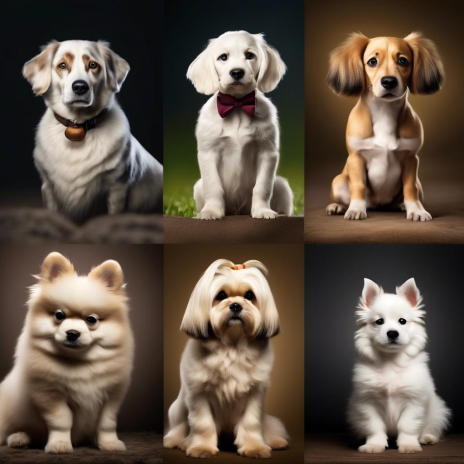
Dogs come in all shapes, sizes, and temperaments, but there are some breeds that are so rare, they are hardly ever seen outside of their native regions. In this article, we will delve into the world of the rarest dog breeds, exploring their origins, characteristics, and the efforts being made to preserve these unique and elusive canines. From the strikingly beautiful Azawakh to the ancient and mysterious Xoloitzcuintli, these rare breeds are a testament to the diversity and richness of the canine world. Join us as we shine a spotlight on some of the most exclusive and coveted dog breeds in existence.
Table of Contents
- Origin and History of Rare Dog Breeds
- Unique Physical Characteristics of the Rarest Dog Breeds
- Challenges and Considerations of Owning a Rare Dog Breed
- Health and Wellness Needs of Rare Dog Breeds
- Rare Dog Breeds and Their Suitability for Families
- Conservation Efforts for Rare Dog Breeds
- Famous Examples of Rare Dog Breeds
- Finding a Responsible Breeder for Rare Dog Breeds
- Q&A
- In Conclusion
Origin and History of Rare Dog Breeds
Rare dog breeds have a fascinating origin and history that dates back centuries. These breeds have often been carefully preserved due to their unique characteristics and limited population. Understanding the origin and history of these rare dog breeds provides valuable insights into their development and significance in the canine world.
Many rare dog breeds have their origins in specific geographical regions or were developed for particular purposes such as hunting, herding, or guarding. For example, the Azawakh, originating from West Africa, was originally bred by nomadic tribes as a guard dog and for hunting purposes. Similarly, the Tibetan Mastiff, with its origins in the Himalayan region, was bred to protect livestock from predators. The history of these rare breeds is interwoven with the traditions and lifestyles of the people who raised them, making them an integral part of their cultural heritage.
The preservation of rare dog breeds has been a concerted effort by dedicated breeders and enthusiasts. Through careful breeding programs and the documentation of breed standards, these rare breeds have been safeguarded from extinction. The establishment of breed clubs and recognition by kennel clubs has also played a crucial role in preserving and promoting these rare dog breeds. Despite their limited numbers, these breeds have gained recognition and admiration for their unique qualities, making them highly sought after by dog enthusiasts.
Unique Physical Characteristics of the Rarest Dog Breeds
The world is home to a wide variety of dog breeds, but some are rarer than others. These rare breeds often possess unique physical characteristics that set them apart from more common types of dogs. Here are some of the rarest dog breeds and the physical traits that make them truly special.
-
Norwegian Lundehund – This unique breed is known for its ability to bend its neck backward and touch its spine, making it exceptionally flexible. The Lundehund also has six toes on each foot, including two dewclaws which help it climb steep cliffs in its native Norway.
-
Mudi – The Mudi is a rare herding breed from Hungary known for its distinctive wavy or curly coat, which can come in a variety of colors. This breed is also notable for its keen intelligence and agility, making it an excellent working dog.
-
Catalburun – This Turkish breed is easily recognizable by its split or divided nose, which is a unique physical trait that is not seen in any other breed. The Catalburun is also valued for its exceptional hunting abilities and is prized by hunters in its native Turkey.
These rare dog breeds may not be as well-known as some of their more common counterparts, but their unique physical characteristics make them truly special. Whether it’s a flexible neck, a curly coat, or a split nose, these rare breeds are a testament to the diversity and beauty of the canine world.
Challenges and Considerations of Owning a Rare Dog Breed
Owning a rare dog breed can be an exciting and rewarding experience, but it also comes with its own set of challenges and considerations. Before deciding to bring home a rare dog breed, it’s important to carefully weigh the pros and cons to ensure that you are prepared for the unique responsibilities that come with owning a rare and uncommon pet.
Health Concerns
One of the major challenges of owning a rare dog breed is the potential health concerns that may be associated with these breeds. Many rare dog breeds are prone to genetic health issues due to their limited gene pool. It’s crucial to be prepared for the possibility of higher veterinary expenses and the need for specialized care that comes with owning a rare dog breed.
Training and Socialization
Rare dog breeds often have specific and unique training and socialization needs. Since these breeds are not as commonly owned, it may be more challenging to find a trainer or resources that understand the specific needs of your rare breed. Additionally, socialization can be more difficult for rare dog breeds, as they may not have as many opportunities to interact with other dogs of the same breed.
It’s important to research and prepare for the specific training and socialization needs of your rare dog breed to ensure that they are well-adjusted and well-behaved.
Health and Wellness Needs of Rare Dog Breeds
Rare dog breeds often come with their unique set of health and wellness needs, requiring specialized care from their owners. From the charming Xoloitzcuintli to the ancient Pharaoh Hound, these rare breeds require attention to their specific requirements to ensure a happy and healthy life.
Nutritional requirements
Each rare dog breed may have different nutritional needs due to their genetic makeup and physical characteristics. It’s important for owners to provide a balanced diet that caters to the specific needs of their rare dog breed. For example, the Lowchen, also known as the “Little Lion Dog,” may require a high-protein diet to support its active lifestyle, while the Azawakh may need a diet rich in healthy fats and omega-3 fatty acids for its unique slim build.
Exercise and physical activity
Rare dog breeds, such as the Thai Ridgeback or the Norwegian Lundehund, may have distinct exercise requirements due to their genetic history and original purpose. It’s crucial for owners to understand the exercise needs of their rare dog breed and provide opportunities for physical activity that align with their specific requirements. This may include specialized activities like tracking exercises for the Otterhound or agility training for the Chinook.
Health screenings and preventative care
Due to their rarity, some rare dog breeds may be prone to certain health conditions that are specific to their genetic makeup. It’s essential for owners to be proactive about health screenings and preventative care to ensure the well-being of their rare dog breed. This may involve regular check-ups with a veterinarian who is knowledgeable about the specific health concerns of the breed, as well as staying updated on recommended vaccinations and preventive medications.
In summary, understanding the is essential for their owners in providing proper care and ensuring their overall well-being. By recognizing the unique nutritional requirements, exercise needs, and health considerations of these rare breeds, owners can cultivate a healthy and fulfilling life for their beloved pets.
Rare Dog Breeds and Their Suitability for Families
There are several rare dog breeds around the world that are not commonly seen in everyday life. While some of these breeds may be unfamiliar to many people, they can make wonderful additions to a family. When considering getting a rare dog breed, it’s important to take into account their suitability for families. Here, we will explore some of the rare dog breeds and provide insight into their compatibility with families.
One rare dog breed that is suitable for families is the Azawakh. This slender and elegant breed originates from West Africa and is known for its loyalty and affection towards its family members. Azawakhs are gentle and friendly, making them great companions for children. Another rare breed that is suitable for families is the Bergamasco. This unique looking breed has a distinctive coat that is made up of loose mats, giving them a distinctive appearance. Bergamascos are known for their intelligence and gentle nature, making them an excellent choice for families with children. Additionally, the Kooikerhondje, a rare breed from the Netherlands, is also suitable for families. This small and friendly breed is known for its high energy levels and love for play, making it a great companion for active families.
It’s important to note that while these rare dog breeds can make great additions to a family, it’s essential to consider their individual needs and characteristics before bringing them into a home. Proper research and understanding of a rare dog breed’s requirements can help ensure a harmonious and fulfilling relationship between the dog and the family. As with any breed, early socialization, proper training, and regular exercise are essential to ensure the well-being of the dog and the happiness of the family.
Conservation Efforts for Rare Dog Breeds
Rare dog breeds are an important part of our diverse canine community, but many are at risk of extinction due to a variety of factors. These unique breeds often carry traits and characteristics that are not found in more common breeds, making their conservation a crucial task for dog lovers and breeders alike.
include a variety of strategies aimed at preserving and protecting these special animals. Some of the most common methods used to support rare breeds include:
- Establishing breed clubs and registries to maintain accurate records of bloodlines and pedigrees.
- Creating breeding programs that focus on genetic diversity and health, rather than purely aesthetic traits.
- Supporting legislation that protects rare breeds and prevents their extinction.
- Promoting public awareness and education about the value of rare dog breeds and the importance of their conservation.
In addition to these efforts, technology has played a significant role in the conservation of rare dog breeds. For example, DNA testing has allowed breeders to better understand the genetic makeup of their dogs and make informed breeding decisions to preserve the unique characteristics of these rare breeds. By combining traditional breeding practices with modern scientific advancements, we can hope to ensure that these exceptional dogs continue to thrive for generations to come.
Famous Examples of Rare Dog Breeds
When it comes to rare dog breeds, there are some famous examples that stand out for their unique traits and history. From their distinctive appearance to their fascinating origins, these rare breeds are a testament to the diversity of canine companions. Here are some that have captured the hearts of dog enthusiasts around the world:
-
Azawakh: Originating from West Africa, the Azawakh is a slender and elegant sight hound known for its speed and agility. This rare breed is deeply cherished by the nomadic tribes of the Sahel region and is renowned for its loyalty and protective nature.
-
Xoloitzcuintli: Also known as the Mexican Hairless Dog, the Xoloitzcuintli is one of the oldest and rarest breeds in the world. This unique breed is famous for its lack of fur and comes in three sizes: toy, miniature, and standard. With a rich heritage dating back to ancient Aztec civilizations, the Xoloitzcuintli is prized for its intelligence and affectionate demeanor.
-
Catalburun: The Catalburun is a rare Turkish breed distinguished by its distinctive split-nose, which is a result of a genetic anomaly. This unique feature sets the breed apart and has attracted attention from dog enthusiasts worldwide. Known for its exceptional hunting abilities and unwavering loyalty, the Catalburun has gained a dedicated following among rare breed enthusiasts.
These showcase the diverse and fascinating world of canine companions. Whether it’s their rare physical characteristics or their storied history, these breeds have captivated the hearts of dog lovers and continue to hold a special place in the world of rare breeds. Keep an eye out for these remarkable breeds as they continue to make their mark in the canine world.
| Breed | Origin | Traits |
|---|---|---|
| Azawakh | West Africa | Speed, agility, loyalty |
| Xoloitzcuintli | Mexico | Oldest breed, hairless, intelligence |
| Catalburun | Turkey | Split-nose, hunting abilities, loyalty |
Finding a Responsible Breeder for Rare Dog Breeds
When looking for a rare dog breed, it’s essential to find a responsible breeder who prioritizes the health and well-being of the dogs. Here are some tips to help you find a reputable breeder for rare dog breeds:
Research Breeders: Start by researching breeders who specialize in the rare dog breed you are interested in. Look for breeders who have a good reputation and are known for producing healthy, well-socialized puppies.
Ask for References: Ask the breeder for references from previous puppy buyers. A responsible breeder should be willing to provide references who can speak to their experience with the breeder and the health of the puppies they purchased.
Health Testing: A reputable breeder will conduct health screenings on their breeding dogs to ensure that they are free from any hereditary health issues. Ask the breeder about the health testing they perform on their dogs.
Visit the Breeder: Take the time to visit the breeder’s facility in person. This will give you the opportunity to see the living conditions of the dogs and how they are cared for.
When you find a responsible breeder for a rare dog breed, you can have confidence that you are bringing a healthy and well-adjusted puppy into your home. It’s worth taking the time to find the right breeder to ensure a positive experience for both you and your new four-legged friend.
Q&A
Q: What are the rarest dog breeds in the world?
A: The rarest dog breeds in the world include the Azawakh, Thai Ridgeback, Norwegian Lundehund, Mudi, and Catalburun.
Q: What makes these breeds rare?
A: These breeds are considered rare due to their low population numbers and limited geographic distribution. Many of them are also historically used for specific purposes, such as hunting or herding, which has limited their spread to other regions.
Q: Are these rare breeds in danger of extinction?
A: Some of these rare breeds are indeed in danger of extinction. The Norwegian Lundehund, for example, has a population of fewer than 2000 individuals worldwide. Efforts are being made to preserve and protect these breeds through breeding programs and education about their unique traits and characteristics.
Q: What efforts are being made to protect and preserve these rare breeds?
A: Various organizations, including breed clubs and conservation groups, are working to protect and preserve these rare breeds. This includes promoting responsible breeding practices, raising awareness about the breeds, and advocating for their recognition and protection by kennel clubs and governing bodies.
Q: Can these rare breeds be good pets?
A: Despite their rarity, many of these breeds can make wonderful pets for the right owners. However, it’s important for potential owners to research and understand the unique traits and requirements of these breeds before bringing them into their homes.
Q: Are there any unique characteristics or traits that make these rare breeds special?
A: Each of these rare breeds has its own unique characteristics and traits that set them apart. For example, the Azawakh is known for its elegant and athletic build, while the Mudi is valued for its keen intelligence and versatility as a working dog. Understanding and appreciating these unique traits is crucial in preserving and promoting these rare breeds.
In Conclusion
In conclusion, the world is home to a wide variety of dog breeds, some of which are incredibly rare and unique. From the elusive Norwegian Lundehund to the ancient and dignified Azawakh, these rare breeds offer a glimpse into the diverse and fascinating world of canine genetics and history. While they may not be commonly seen in everyday life, these rare breeds are a testament to the diversity and resilience of the dog species. Whether you are a dog enthusiast or simply have an interest in rare and unique animals, exploring the world of rare dog breeds can be a truly eye-opening and enriching experience. So, next time you encounter one of these rare breeds, take a moment to appreciate the rich heritage and individuality that they represent.


