


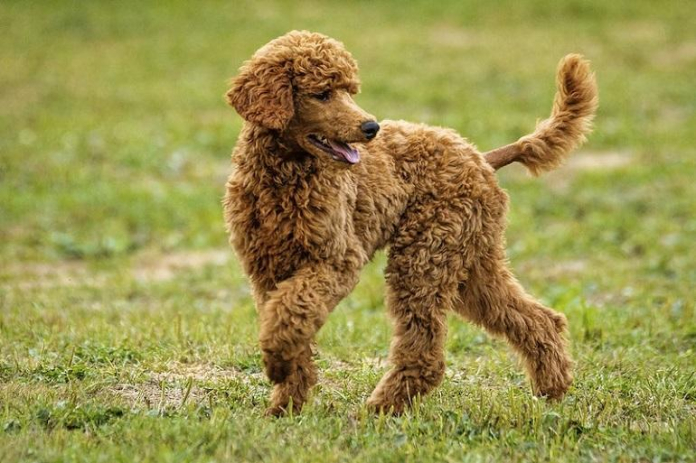
Toy poodles are a popular choice for many dog lovers due to their small size, intelligence, and charming personalities. Additionally, they are often touted as a hypoallergenic breed, making them an attractive option for individuals with allergies. In this article, we will explore the characteristics of toy poodles that contribute to their hypoallergenic qualities, and provide valuable insight for those considering adding one of these delightful dogs to their family.
Table of Contents
- Overview of Toy Poodles: Understanding Their Hypoallergenic Qualities
- Factors That Make Toy Poodles Hypoallergenic: Coat, Shedding, and Dander
- Tips for Managing Allergies When Owning a Toy Poodle
- Recommended Grooming and Care Practices for Toy Poodles to Maintain Hypoallergenic Qualities
- Choosing the Right Toy Poodle for Allergy Sufferers: Breeder Considerations and Health Testing
- Q&A
- In Summary
Overview of Toy Poodles: Understanding Their Hypoallergenic Qualities
Toy poodles are a popular choice for pet owners who suffer from allergies, thanks to their hypoallergenic qualities. Understanding what makes toy poodles hypoallergenic can help potential owners make an informed decision about welcoming one of these intelligent and affectionate dogs into their home.
One of the main reasons toy poodles are considered hypoallergenic is their low shedding coat. Unlike other dog breeds, toy poodles have hair rather than fur, which means that they shed minimally. This can significantly reduce the amount of allergens, such as dander, that are present in the home. Additionally, their curly and dense coat helps to trap loose hair and dander, preventing it from becoming airborne.
Furthermore, toy poodles produce less dander compared to other breeds, making them a suitable choice for individuals with allergies. Dander is made up of tiny, even microscopic, flecks of skin shed by pets with fur or feathers. It is these particles that trigger allergic reactions in susceptible individuals. Toy poodles’ minimal dander production can make them a more tolerable choice for allergy sufferers.
Factors That Make Toy Poodles Hypoallergenic: Coat, Shedding, and Dander
Toy Poodles are often considered a hypoallergenic breed, making them an ideal choice for individuals with allergies to pet dander. Several factors contribute to their hypoallergenic nature, including their coat, shedding, and dander production. Understanding these elements can help prospective dog owners make an informed decision when choosing a pet.
The coat of a Toy Poodle plays a significant role in their hypoallergenic nature. Their curly, dense coat is considered hypoallergenic because it sheds minimally, reducing the amount of allergens present in the environment. Additionally, their single-layered coat produces less dander compared to other breeds, further minimizing the risk of allergic reactions. Regular grooming and maintenance of their coat can also help control shedding and dander, making them an excellent choice for allergy sufferers.
Another factor that contributes to the hypoallergenic nature of Toy Poodles is their minimal shedding. Their coat does not shed as much as other breeds, reducing the amount of loose hair and dander in the home environment. This makes them a great option for individuals who are sensitive to pet allergens. Additionally, Toy Poodles produce less dander compared to other breeds, further contributing to their hypoallergenic reputation. This makes them a suitable choice for individuals seeking a companion without the worry of triggering allergic reactions.
Tips for Managing Allergies When Owning a Toy Poodle
Toy poodles are often hailed as hypoallergenic due to their low-shedding coats, making them a popular choice for allergy sufferers. However, even with a hypoallergenic breed like the toy poodle, it’s still important to manage allergies effectively to ensure a happy and healthy coexistence with your beloved pet. Here are some :
**Regular Grooming:** Keeping your toy poodle’s coat clean and well-groomed is essential for minimizing allergens. Regular baths and brushing can help remove dander and loose hair that can trigger allergies. Consider professional grooming services to ensure thorough cleaning and maintenance of your poodle’s coat.
**Clean Living Environment:** Maintaining a clean living environment is crucial for managing allergies. Regular vacuuming, dusting, and washing of pet bedding can help reduce the presence of allergens in your home. Using a HEPA filter air purifier can also improve air quality and minimize allergens in the air.
**Healthy Diet:** A healthy diet can help keep your toy poodle’s skin and coat in optimal condition, reducing the likelihood of allergens. Speak to your veterinarian about the best diet for your toy poodle, taking into consideration any specific allergies or sensitivities. Additionally, providing clean, fresh water is essential for overall health and can help prevent skin dryness and itching.
Recommended Grooming and Care Practices for Toy Poodles to Maintain Hypoallergenic Qualities
Toy poodles are popular among dog lovers for their hypoallergenic qualities, making them a great choice for individuals with allergies. To maintain their hypoallergenic qualities, it is important to establish recommended grooming and care practices for toy poodles. Here are some essential tips to ensure that your toy poodle remains hypoallergenic:
- Regular grooming: Regular grooming is crucial to prevent the accumulation of dander and allergens in your toy poodle’s coat. Brush their coat at least three times a week to remove loose hair and reduce shedding. Consider professional grooming every 4-6 weeks to maintain their coat’s hypoallergenic properties.
- Bathing: Bathe your toy poodle regularly with a hypoallergenic dog shampoo to minimize the presence of allergens in their fur. Aim to bathe them every 4-6 weeks to keep their coat clean and free from potential allergens.
- Diet and nutrition: A healthy diet plays a significant role in maintaining your toy poodle’s hypoallergenic qualities. Consult with your veterinarian to ensure that your toy poodle is receiving a balanced diet that promotes a strong and healthy coat.
By incorporating these recommended grooming and care practices into your toy poodle’s routine, you can effectively maintain their hypoallergenic qualities and create a comfortable environment for individuals with allergies.
Choosing the Right Toy Poodle for Allergy Sufferers: Breeder Considerations and Health Testing
Toy poodles are often touted as a hypoallergenic dog breed, making them an ideal choice for individuals with allergies. However, not all toy poodles are created equal when it comes to allergen levels. When choosing the right toy poodle for allergy sufferers, there are several breeder considerations and health testing protocols to keep in mind.
Breeder Considerations:
– Look for a reputable breeder who specializes in breeding hypoallergenic toy poodles.
– Ask for references and testimonials from previous customers to ensure the breeder’s credibility.
– Inquire about the breeder’s breeding practices, including their approach to reducing allergens in their poodle lines.
– Consider visiting the breeder’s facilities to assess the living conditions and overall health of the dogs.
Health Testing:
– Ensure that the breeder conducts thorough health testing on their toy poodles to rule out any potential allergies or genetic health issues.
– Health testing should include evaluations for skin and coat conditions, as well as allergy testing to identify any allergens present in the poodle’s dander.
– Ask for documentation of health testing results to verify the toy poodle’s hypoallergenic status and overall health.
By taking these breeder considerations and health testing protocols into account, allergy sufferers can make an informed decision when selecting a toy poodle that is truly hypoallergenic and suitable for their needs.
Q&A
Q: Are toy poodles hypoallergenic?
A: Yes, toy poodles are considered hypoallergenic because they produce fewer allergens than other dog breeds.
Q: What causes allergies in people who are allergic to dogs?
A: Allergies to dogs are typically triggered by proteins found in a dog’s dander, saliva, and urine. These proteins can cause allergic reactions in sensitive individuals.
Q: Do toy poodles shed?
A: Toy poodles are considered a low-shedding breed, which makes them a good choice for people with allergies.
Q: What makes toy poodles hypoallergenic?
A: Toy poodles have hair instead of fur, which means they shed less and produce less dander. Additionally, they produce less saliva and urine, which also contributes to their hypoallergenic nature.
Q: Can people who are allergic to dogs live with toy poodles without experiencing allergies?
A: While toy poodles are hypoallergenic, there is no guarantee that individuals with dog allergies will not have a reaction to them. It’s important for allergic individuals to spend time with a toy poodle before bringing one into their home to see how they react.
Q: How should toy poodles be groomed to minimize allergens?
A: Regular grooming, including brushing and bathing, can help minimize the amount of dander that toy poodles produce. Keeping their coat clean and trimmed can also help reduce allergens.
Q: Are there any other factors to consider for people with allergies who are considering getting a toy poodle?
A: It’s important to keep in mind that while toy poodles may be hypoallergenic, they still require regular care. This includes grooming, exercise, and attention to their overall health and well-being.
Q: Are there specific precautions that can be taken to minimize allergens in the home with a toy poodle?
A: Vacuuming and dusting regularly, as well as washing the dog’s bedding and toys, can help reduce allergens in the home. Additionally, keeping the home well-ventilated and using an air purifier can also be beneficial.
In Summary
In conclusion, toy poodles are an excellent choice for individuals with allergies due to their hypoallergenic coat. Their minimal shedding and low dander production make them a great option for those who suffer from allergies. It is important to note that while no dog can be completely hypoallergenic, toy poodles come close to it and are a popular choice for allergy sufferers. Additionally, their small size, intelligence, and affectionate nature make them a wonderful companion for families and individuals alike. If you are considering a toy poodle as a pet, be sure to consult with a breeder or veterinarian to ensure that this breed is the right fit for your lifestyle and allergy needs. Overall, toy poodles are a fantastic option for individuals seeking a hypoallergenic and loving canine companion.


