


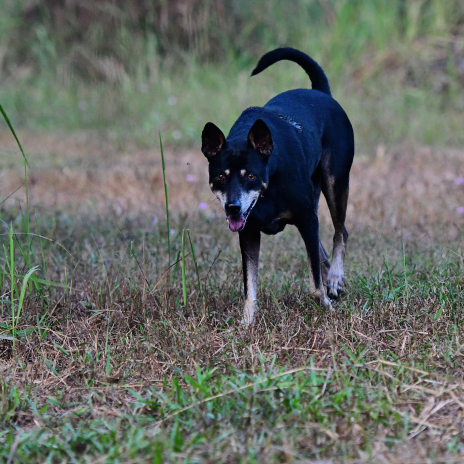
Dogs have long been recognized for their extraordinary abilities and unwavering loyalty. Among their many roles, the demand for highly trained canine companions in law enforcement, search and rescue, and military operations continues to grow. Known as K9 units, these specially trained dogs play a crucial role in supporting and protecting society. In this article, we will delve into the world of K9 units, exploring the rigorous training and diverse roles these exceptional dogs undertake, as well as the impact they have on their human counterparts. Join us as we uncover the incredible abilities and vital contributions of dogs in the K9 field.
Table of Contents
- Introduction to Canine Handlers and K9 Units
- The Role of Dogs in Law Enforcement and Search and Rescue
- Training and Certification for K9 Handlers
- Best Practices for Maintaining K9 Health and Performance
- Understanding the Legal and Ethical Considerations of K9 Deployment
- Q&A
- The Conclusion
Introduction to Canine Handlers and K9 Units
Canine handlers and K9 units play a crucial role in law enforcement, military, and search and rescue operations. These specially trained teams are made up of highly skilled handlers and their canine partners, who work together to detect narcotics, explosives, and track down suspects or missing persons. K9 units are essential in maintaining public safety and security, as they are able to access areas and detect scents that humans cannot.
The role of a canine handler is demanding and requires a deep understanding of dog behavior, training techniques, and specialized equipment. Canine handlers must undergo rigorous training to effectively communicate and work with their canine partners. K9 units are deployed in a variety of settings, including airports, border crossings, and disaster sites, where their keen sense of smell and agility can be of vital importance. These teams provide valuable support to law enforcement and first responders, making them an essential part of many national security and public safety efforts.
Overall, canine handlers and K9 units are an invaluable asset in maintaining the safety and security of communities. Their unique abilities and specialized training make them a vital component of search and rescue efforts, law enforcement operations, and military missions. The close partnership between handlers and their canine partners ensures that these teams can effectively carry out their duties, making them an indispensable resource in a wide range of public safety and security scenarios.
The Role of Dogs in Law Enforcement and Search and Rescue
Dogs play a vital role in law enforcement and search and rescue operations. These highly-trained canines, known as K9s, use their superior sense of smell, agility, and intelligence to assist officers in a variety of tasks. From tracking down suspects and detecting narcotics to locating missing persons and sniffing out explosives, K9s are invaluable members of law enforcement teams.
In law enforcement, K9s are used for various purposes, including:
– Tracking and apprehending suspects
– Searching for evidence at crime scenes
– Detecting drugs and explosives
– Providing protection and backup for officers
Search and rescue operations also heavily rely on the skills of K9s, as they can cover large areas in a fraction of the time it would take humans. These highly-trained dogs are able to:
– Find and locate missing persons in various terrains
– Alert handlers to the presence of survivors in disaster zones
– Provide emotional support to victims and families during search and rescue missions
The bond between handlers and their K9 partners is crucial, as it ensures effective communication and trust between the two. K9s undergo rigorous training to develop their skills and maintain peak physical and mental performance, making them invaluable assets in law enforcement and search and rescue efforts.
Training and Certification for K9 Handlers
is crucial for ensuring the safety and effectiveness of these working dogs. K9 handlers play a vital role in law enforcement, search and rescue, and other security-related fields, and it’s essential that they receive proper training to maximize their partnership with their K9 counterparts.
There are various programs and courses available for K9 handlers to obtain the necessary training and certification. These programs cover a wide range of topics, including obedience training, scent detection, search techniques, and handler safety. Obtaining certification not only validates the skills and knowledge of the handler but also ensures that they are in compliance with industry standards and regulations.
Best Practices for Maintaining K9 Health and Performance
Maintaining the health and performance of K9s is essential for their overall well-being and longevity. To ensure your furry friend stays in peak condition, there are several best practices that you can implement into their daily routine. Proper nutrition is crucial for K9 health, as a balanced diet provides the necessary nutrients for muscle growth, energy, and immune system support. Additionally, regular exercise is key to maintaining their physical fitness and mental stimulation.
Regular veterinary check-ups are essential for monitoring your K9’s health and catching any potential issues early. This includes vaccinations, parasite prevention, and dental care. Good oral hygiene is often overlooked, but it is vital for preventing dental disease and promoting overall health. Additionally, proper grooming, including brushing their coat, trimming their nails, and cleaning their ears, helps to maintain their appearance and prevent health issues. Lastly, providing a safe and comfortable living environment is essential. This includes a cozy bed, clean water, and a secure outdoor area for play and relaxation.
Proper Rest and Recovery is crucial for performance K9s. Make sure your dog gets a minimum of 12-14 hours of sleep every day. Just like in humans, quality sleep is vital for overall health and performance. Creating a comfortable and quiet space for your dog to rest is a great way to ensure they get the rest they need. Pay attention to their body language and behavior to determine if they need rest or recovery time. In addition, providing K9s with ample opportunities for mental stimulation, such as puzzle toys and interactive games, can help prevent boredom and destructive behavior.
Understanding the Legal and Ethical Considerations of K9 Deployment
When it comes to the deployment of K9 units in law enforcement and security operations, it’s crucial to understand the legal and ethical considerations surrounding their use. K9 units, comprised of highly trained dogs, are valuable assets in various fields, including police work, search and rescue, and detection of illicit substances. However, their deployment must adhere to specific guidelines to ensure their actions are legal, ethical, and accountable.
One of the key legal considerations of K9 deployment is the requirement for handlers and their dogs to adhere to local, state, and federal laws. This includes respecting constitutional rights, such as conducting searches within the confines of probable cause and obtaining appropriate warrants when necessary. Additionally, K9 units must receive proper certifications and training to ensure their reliability and effectiveness in the field. Ethical considerations include the humane treatment of K9 units, their impact on public perception, and the potential for misuse or abuse of their capabilities.
Q&A
Q: What is the role of K9 dogs in law enforcement?
A: K9 dogs play a crucial role in law enforcement by assisting in various tasks such as detecting drugs, explosives, and firearms, tracking and apprehending suspects, and searching for missing persons.
Q: What breeds of dogs are commonly used as K9s?
A: Common breeds used as K9s include German Shepherds, Belgian Malinois, Labrador Retrievers, and Dutch Shepherds due to their intelligence, strength, and adaptability.
Q: How are K9 dogs trained for their roles in law enforcement?
A: K9 dogs undergo extensive training to develop skills such as obedience, agility, scent detection, and apprehension techniques. They are also trained to work effectively in various environments and under high-stress situations.
Q: What are the benefits of using K9s in law enforcement?
A: The use of K9s in law enforcement can significantly enhance the capabilities of police forces by providing a reliable and efficient means of detecting and apprehending suspects, locating evidence, and conducting search and rescue operations.
Q: How are K9 dogs cared for and maintained?
A: K9 dogs are cared for by their handlers and receive regular veterinary check-ups, proper nutrition, and exercise to ensure their physical and mental well-being. They also undergo routine grooming and hygiene maintenance.
Q: What is the process of selecting and pairing K9 dogs with handlers?
A: K9 dogs are selected based on their temperament, drive, and suitability for specific tasks. They are then paired with handlers who undergo specialized training to effectively work alongside their K9 partners.
Q: How do K9 dogs contribute to public safety and security?
A: K9 dogs contribute to public safety and security by providing law enforcement with a valuable resource for detecting threats, apprehending criminals, and conducting search and rescue operations, ultimately helping to protect communities and save lives.
The Conclusion
In conclusion, dogs are an indispensable resource in the field of law enforcement and security. Their keen sense of smell, intelligence, and loyalty make them invaluable partners in various operations, including search and rescue, narcotics detection, and apprehension of suspects. The bond between a K9 and their handler is one built on trust and respect, and the teamwork between them is a crucial element in the success of their missions. As we continue to rely on these remarkable animals for their expertise and unwavering dedication, it is important to remember the care and training they require to excel in their roles. With proper handling, support, and recognition, K9s will continue to be an essential asset in ensuring the safety and security of our communities.


