


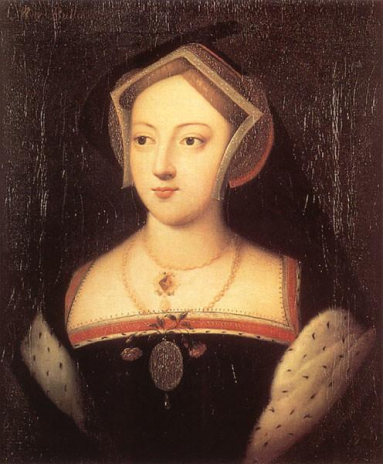
Mary Boleyn: The Forgotten Sister of a Tudor Queen
In the court of Henry VIII, the Boleyn family rose to power and prominence, primarily due to the actions of Anne Boleyn. However, her sister Mary Boleyn is often overlooked in the grand narrative of history. Mary, who was the mistress of Henry VIII before her sister, has a story that is both fascinating and often overshadowed. In this article, we will delve into the life and legacy of Mary Boleyn, shedding light on the woman who played a pivotal role in the drama of Tudor England but remains a lesser-known figure in the history books.
Table of Contents
- The Scandalous Life of Mary Boleyn: A Closer Look at Her Royal Connections and Alleged Affairs
- Unveiling the Myth: Separating Fact from Fiction in the Life of Mary Boleyn
- The Lesser-Known Boleyn: Exploring Mary’s Influence on Tudor Politics and Culture
- Recommending Books and Documentaries to Dive Deeper into the Life of Mary Boleyn.
- Q&A
- Concluding Remarks
The Scandalous Life of Mary Boleyn: A Closer Look at Her Royal Connections and Alleged Affairs
Mary Boleyn, the lesser-known sister of Anne Boleyn, has long been a figure of fascination and speculation in Tudor history. While much of Mary’s life remains shrouded in mystery, there are tantalizing hints of her royal connections and alleged affairs that have captured the imagination of historians and novelists alike. Let’s take a closer look at Mary Boleyn’s scandalous life and the intriguing relationships that have made her a compelling figure in British history.
One of the most infamous aspects of Mary Boleyn’s life is her rumored affair with King Henry VIII. While the extent of their relationship is a matter of debate among historians, there is ample evidence to suggest that Mary did catch the eye of the charismatic monarch. This alleged liaison has added a layer of scandal to Mary’s story, as it is widely believed that her dalliance with the king had far-reaching implications for both her own life and the political landscape of the time.
Despite the shadow of scandal that surrounds her, Mary Boleyn’s royal connections extended beyond her rumored involvement with Henry VIII. She was also linked to other prominent figures of the Tudor court, including her marriage to William Carey, a member of the king’s inner circle. Additionally, Mary’s sister Anne would go on to become the second wife of Henry VIII, further cementing the Boleyn family’s place in the tumultuous politics of the era.
Unveiling the Myth: Separating Fact from Fiction in the Life of Mary Boleyn
When it comes to the history of Mary Boleyn, there are countless myths and rumors that have been passed down through the ages. Separating fact from fiction in her life can be a daunting task, but it’s important to shed light on the truth behind this fascinating historical figure.
One of the most enduring myths about Mary Boleyn is that she was the “other Boleyn girl,” overshadowed by her more famous sister Anne. However, recent historical research has revealed that Mary Boleyn was a woman of significant influence in her own right, and her role in the Tudor court was far more complex than previously believed.
- Was Mary Boleyn really the secret lover of King Henry VIII?
- What was her relationship with her sister Anne really like?
- How did Mary’s life compare to the popular portrayals of her in literature and film?
These are just a few of the questions we will explore as we delve into the true story of Mary Boleyn, uncovering the reality behind the myths that have surrounded her for centuries.
The Lesser-Known Boleyn: Exploring Mary’s Influence on Tudor Politics and Culture
Mary Boleyn, the lesser-known sister of Anne Boleyn, played a significant role in Tudor politics and culture despite the lack of attention she receives in popular history. While Anne’s marriage to King Henry VIII is well-documented, Mary’s relationships with influential figures also had a lasting impact on the Tudor court. Here, we delve into Mary’s influence and the lasting legacy she left on this fascinating period in English history.
1. Royal Connections: Mary Boleyn’s affair with King Henry VIII resulted in two children, leaving a lasting mark on the royal lineage. Her relationship with the king had political implications and shaped the future of the Tudor dynasty.
2. Cultural Influence: Mary’s position at court allowed her to patronize artists and musicians, contributing to the flourishing of Renaissance culture in England. Her patronage of the arts left a lasting impact on the cultural landscape of the Tudor era.
3. Family Dynamics: Mary’s marriage to William Carey and her subsequent relationships demonstrated the complex and often tumultuous dynamics within the Boleyn family. The power struggles and alliances within the Boleyn clan had significant implications for Tudor politics and court dynamics.
In conclusion, while history often focuses on the more prominent figures of the Tudor period, such as Anne Boleyn, Mary Boleyn’s influence on politics, culture, and family dynamics cannot be overlooked. Exploring her impact provides a deeper understanding of the complex web of relationships that shaped Tudor England.
Recommending Books and Documentaries to Dive Deeper into the Life of Mary Boleyn
When delving into the life of Mary Boleyn, there are numerous books and documentaries that provide fascinating insights and perspectives on her story. These resources offer a deeper understanding of Mary’s life, her relationship with her famous sister Anne Boleyn, and her place in Tudor history. Here are some recommended books and documentaries to explore Mary Boleyn’s life further:
Books:
- “Mary Boleyn: The True Story of Henry VIII’s Mistress” by Josephine Wilkinson
– “The Other Boleyn Girl” by Philippa Gregory
– “Mary Boleyn: The Mistress of Kings” by Alison Weir
- “The Sisters Who Would be Queen” by Leanda de Lisle
Documentaries:
- “The Boleyns: A Scandalous Family” (2019)
– “Mary Boleyn: The Mistress of Kings” (2014)
– “The Other Boleyn Girl: The Real Story” (2015)
- “Tudor Dynasty: Behind the Palace Walls” (2017)
Each of these resources offers a unique perspective on Mary Boleyn’s life, allowing readers and viewers to gain a deeper understanding of the woman behind the historical figure. Whether delving into the pages of a compelling biography or immersing oneself in a well-researched documentary, there is plenty to discover about Mary Boleyn and her place in history.
Q&A
Q: Who was Mary Boleyn and what is she known for?
A: Mary Boleyn was the sister of Anne Boleyn, the second wife of King Henry VIII of England. She is known for her controversial and scandalous affair with the king, as well as being a prominent figure in the Tudor court.
Q: What was Mary Boleyn’s relationship with King Henry VIII?
A: Mary Boleyn was rumored to have been the mistress of King Henry VIII before he became involved with her sister, Anne. This relationship led to much speculation and controversy surrounding the Boleyn family.
Q: What impact did Mary Boleyn have on the Tudor court?
A: Mary Boleyn’s relationships with notable figures in the Tudor court, including King Henry VIII and other influential men, gave her a level of power and influence. Her presence in court had a significant impact on the political landscape and the lives of those around her.
Q: What is Mary Boleyn’s legacy?
A: Mary Boleyn’s legacy is one of scandal and intrigue. Her relationships and involvement in the Tudor court have been the subject of much historical debate and fascination. She is remembered as a key player in the drama of the Tudor era.
Concluding Remarks
In conclusion, the life and legacy of Mary Boleyn continue to intrigue and captivate historians and enthusiasts of Tudor history. Although she is often overshadowed by her more famous sister, Anne Boleyn, Mary’s story is one of resilience, adaptation, and survival in the cutthroat world of Tudor politics. Her role as the mistress of King Henry VIII and the mother of two of his illegitimate children has secured her place in history, and her influence on the events of the day cannot be ignored. As we continue to uncover more about Mary’s life, it is clear that she deserves to be remembered as more than just a footnote in the annals of history. Her story is a compelling reminder of the complexities of power, family, and ambition in the Tudor court, and her impact continues to be felt to this day.


