


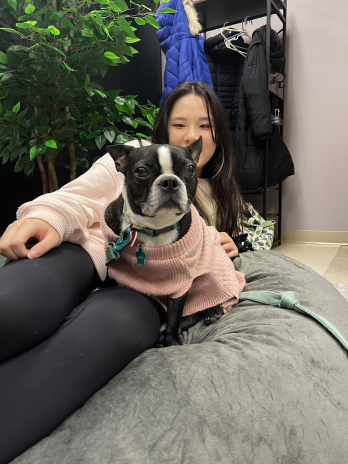
Small dogs can be a delightful addition to any household, bringing joy and companionship in a compact, portable package. Dogs under 10 pounds are beloved for their adorable size and charming personalities. Despite their small stature, these petite pups often possess big personalities and can make loyal and loving companions. In this article, we will explore the unique characteristics, care needs, and special considerations for dogs under 10 pounds, providing a comprehensive guide for prospective and current small dog owners. Whether you are considering adding a diminutive canine to your home or already have a small pup, this article will offer valuable insights into caring for these pint-sized pets.
Table of Contents
- 1. The Benefits of Owning a Small Dog
- 2. Choosing the Right Small Breed for Your Lifestyle
- 3. Training and Socialization Tips for Tiny Canines
- 4. Health and Wellness Considerations for Dogs Under 10 Pounds
- 5. Recommended Exercise and Enrichment Activities for Small Breeds
- Q&A
- Future Outlook
1. The Benefits of Owning a Small Dog
Small dogs under 10 pounds have their own set of unique benefits that make them ideal companions for many pet owners. While larger dog breeds may be popular, small dogs offer a variety of advantages that make them a great choice for those looking for a compact yet lovable pet.
Here are some of the key benefits of owning a small dog:
- Compact Size: Small dogs are easy to handle and transport, making them perfect for apartment living or travel.
- Lower Exercise Needs: Small dogs typically require less exercise than larger breeds, making them suitable for individuals with a more laid-back lifestyle.
- Less Food Consumption: Small dogs eat less food, which can result in lower feeding costs compared to larger breeds.
- Cheaper Healthcare Costs: Veterinary bills for small dogs are often lower compared to larger breeds, as they require less medication and medical procedures.
- Adorable Appearance: Small dogs are undeniably cute and often attract attention with their endearing qualities.
2. Choosing the Right Small Breed for Your Lifestyle
When it comes to choosing the right small breed dog for your lifestyle, there are a variety of factors to consider. Whether you’re living in a small apartment or have a busy schedule, finding a small breed dog under 10 pounds that fits your lifestyle is crucial. Here are some tips for selecting the perfect small breed companion:
**Activity Level**: Consider your own activity level and how much exercise you can provide for your dog. Some small breed dogs are more energetic and require daily walks and playtime, while others are more laid-back and content with shorter walks.
**Living Space**: If you live in a small apartment or have limited outdoor space, it’s important to choose a small breed dog that doesn’t require a large amount of space to thrive. Some small breed dogs are better suited for smaller living spaces, while others may need more room to roam.
**Grooming Needs**: Small breed dogs come in a variety of coat types, which can vary in terms of grooming needs. Some small breed dogs have low-maintenance coats that require minimal grooming, while others may require regular brushing and trips to the groomer. Consider how much time and effort you’re willing to dedicate to grooming when choosing a small breed dog.
3. Training and Socialization Tips for Tiny Canines
When it comes to tiny canines, training and socialization are crucial for their overall well-being and behavior. Despite their small size, small breeds like Chihuahuas, Pomeranians, and Yorkshire Terriers still require proper training to prevent behavior problems and ensure they are well-mannered members of the family. Here are some training and socialization tips specifically tailored for dogs under 10 pounds:
- Use Positive Reinforcement: Tiny canines respond well to positive reinforcement techniques such as treats, praise, and play. This method helps in building a strong bond between the owner and the dog, making training more effective.
- Start Early: It’s important to begin training and socialization as early as possible, ideally when the dog is still a puppy. This helps in shaping their behavior and prevents the development of bad habits.
- Expose Them to Different Situations: Socialization is key for small breeds. Exposing them to different people, animals, and environments helps in reducing fear and anxiety, making them more confident and well-adjusted.
Additionally, providing proper mental and physical stimulation through interactive toys, short walks, and obedience training sessions can help keep tiny canines engaged and prevent boredom-related behaviors. Consistency, patience, and a calm demeanor are essential when training small breeds to ensure they learn effectively without becoming stressed or overwhelmed.
4. Health and Wellness Considerations for Dogs Under 10 Pounds
Dogs under 10 pounds, also known as toy breeds, have unique health and wellness considerations that differ from larger dogs. It’s important for owners of small dogs to be aware of these considerations in order to provide the best care for their furry companions. Here are some key factors to keep in mind:
**Diet and Nutrition**
Due to their small size, dogs under 10 pounds have different nutritional needs than larger breeds. It’s crucial to feed them a high-quality, balanced diet specifically formulated for small dogs. Look for dog food that is rich in protein and includes essential vitamins and minerals to support their overall health. Additionally, small dogs have faster metabolisms, so they may require more frequent, smaller meals throughout the day.
**Exercise and Activity**
While small dogs may not need as much exercise as larger breeds, it’s still important for them to stay active. Regular walks, indoor playtime, and interactive toys can help keep toy breeds physically and mentally stimulated. However, it’s essential to avoid overexertion, as small dogs are more susceptible to injuries. Always monitor your small dog during exercise and avoid activities that may put strain on their delicate bones and joints.
**Grooming and Dental Care**
Small dogs often have specific grooming and dental care needs. Their coat may require more frequent brushing and grooming to prevent mats and tangles. Additionally, small breeds are prone to dental issues, so it’s important to establish a regular dental care routine, such as daily teeth brushing or providing dental chews. Maintaining good oral hygiene is key to preventing dental problems in small dogs.
**Healthcare and Regular Check-ups**
Regular veterinary check-ups are essential for small dogs to monitor their health and catch any potential issues early. Small breeds are more prone to certain health conditions, such as dental disease, patellar luxation, and hypoglycemia. By staying proactive with healthcare, you can ensure that your small dog receives the necessary preventative care and treatment to keep them healthy and happy.
**Socialization and Training**
Proper socialization and training are important for all dogs, including those under 10 pounds. Small dogs may be more prone to fearfulness and anxiety, so early socialization and positive reinforcement training can help them become well-adjusted and confident companions. Exposing them to a variety of environments, people, and other animals in a positive manner can help prevent behavioral issues and promote a well-rounded small dog.
**Safety and Handling**
Lastly, it’s crucial to handle small dogs with care and ensure their safety at all times. Due to their small size, they are more vulnerable to injury. Use caution when handling and picking up small dogs, and be mindful of potential hazards in the environment that could pose a risk to their safety. Additionally, consider using a harness instead of a collar to minimize the risk of injury to their delicate necks.
5. Recommended Exercise and Enrichment Activities for Small Breeds
Exercise and enrichment activities are essential for maintaining the health and well-being of small dog breeds under 10 pounds. With their compact size and high energy levels, it’s important to provide them with opportunities for physical activity and mental stimulation. Not only will regular exercise help them stay fit and maintain a healthy weight, but it will also prevent boredom and destructive behavior.
When it comes to exercise, small breeds benefit from activities that are gentle on their delicate frame. A few recommended activities for small breeds include:
– **Walking:** Regular walks are a great way for small breeds to get the exercise they need. Consider investing in a comfortable harness and leash, as traditional collars can put too much pressure on their delicate necks.
– **Indoor Play:** Interactive toys, such as treat balls and puzzle feeders, can provide small breeds with mental stimulation and physical activity, all within the comfort of your home.
In addition to physical activity, small breeds also benefit from enrichment activities that stimulate their minds. Consider incorporating the following activities into their daily routine:
– **Training Sessions:** Small breeds are intelligent and eager to please, making them quick learners. Short training sessions using positive reinforcement techniques can provide mental stimulation and strengthen the bond between you and your dog.
– **Sensory Games:** Engage your small breed’s senses by setting up simple scavenger hunts or hiding treats around the house for them to find. This will keep them mentally engaged and provide a fun, interactive experience.
Q&A
Q: What are some common breeds of dogs that are under 10 pounds?
A: Some common breeds of small dogs include Chihuahuas, Pomeranians, Maltese, Yorkshire Terriers, and Pugs.
Q: What are some of the advantages of having a small dog?
A: Small dogs are often easier to handle and can be a good choice for apartment living. They also tend to be more portable and can be taken on trips more easily.
Q: What are some potential health concerns for dogs under 10 pounds?
A: Small dogs are prone to certain health issues such as dental problems, hypoglycemia, and luxating patellas (knee problems). They may also be more susceptible to being injured by larger animals.
Q: How much exercise do small dogs need?
A: While small dogs may not require as much exercise as larger breeds, they still need regular walks and playtime to keep them healthy and happy. Indoor activities such as interactive toys can also be beneficial.
Q: What should small dog owners consider when it comes to feeding their pets?
A: Small dogs have smaller stomachs and may be prone to obesity, so it’s important to feed them a balanced diet and monitor their food intake closely. Some small breeds also have specific dietary requirements, so it’s important to consult with a veterinarian.
Q: Are there any special grooming needs for dogs under 10 pounds?
A: Small dogs may require more frequent grooming, especially those with long or thick coats. Regular brushing, nail trims, and dental care are important for all small dog breeds.
Q: How can small dog owners ensure their pets are properly socialized?
A: It’s important for small dogs to be exposed to different people, animals, and environments from a young age to ensure they are well-socialized. Obedience training and positive reinforcement can also help small dogs develop good behavior.
Future Outlook
In conclusion, dogs under 10 pounds can make wonderful additions to any family. Their small size makes them easy to manage and their affectionate nature makes them loving companions. However, it is important to remember that they may require special care and attention, particularly in terms of exercise, grooming, and health maintenance. Understanding the specific needs of small breed dogs is crucial in providing them with a happy and fulfilling life. By considering their unique characteristics and providing proper care, you can ensure that your petite pup thrives in your home. Whether you are considering adding a small dog to your family or already have one, it is essential to prioritize their well-being and happiness. By doing so, you can enjoy the many delightful benefits of sharing your life with a furry friend under 10 pounds.


