


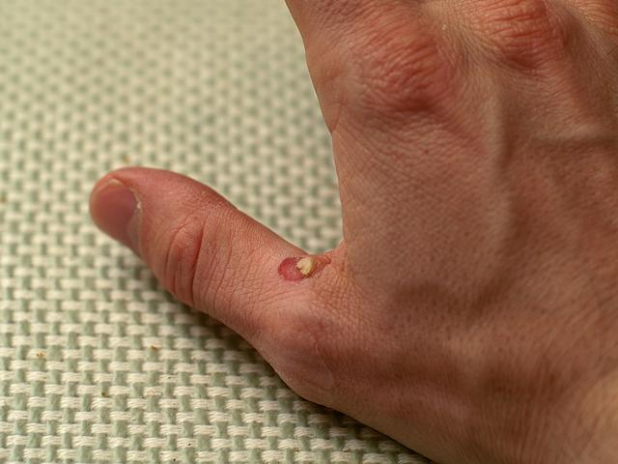
Blood warts, also known as hemangiomas, can be a cause for concern when they appear on our beloved canine companions. These raised, red growths can be alarming for pet owners, leading to questions about their cause and potential impact on their dog’s health. In this article, we will delve into the topic of blood warts on dogs, providing a comprehensive overview of what they are, how they are diagnosed, and the available treatment options. Understanding this common skin issue is essential for ensuring the well-being of our furry friends.
Table of Contents
- Overview of Blood Warts on Dogs
- Causes and Symptoms of Blood Warts
- Diagnosis and Treatment Options for Blood Warts
- Preventative Measures and Home Care for Blood Warts in Dogs
- Q&A
- Key Takeaways
Overview of Blood Warts on Dogs
Blood warts, also known as cherry angiomas, are a common skin condition that can affect dogs of all ages. These growths are typically small, raised, and red in color, and they can develop anywhere on the dog’s body. While they are usually harmless, it’s important for pet owners to keep an eye on these growths to ensure they do not become irritated or infected.
Blood warts are caused by an overgrowth of blood vessels in the skin, which gives them their characteristic red appearance. They are often found in older dogs, but can also occur in younger animals. While most blood warts do not cause any discomfort for the dog, they can sometimes bleed if they are scratched or rubbed. In some cases, large or irritated blood warts may need to be removed by a veterinarian to prevent further complications.
Symptoms of blood warts on dogs may include:
– Small, red, raised growths on the skin
– Bleeding when the wart is irritated
– Itching or discomfort for the dog
Overall, blood warts on dogs are usually harmless and do not require treatment. However, it is important to monitor them closely and seek veterinary care if they become irritated or if the dog shows signs of discomfort.
Causes and Symptoms of Blood Warts
Blood warts, also known as hemangiomas, are a common skin condition that can affect dogs of all breeds and ages. These warts are typically benign and can appear as small, red, raised bumps on the skin. While they may not cause any harm to the dog, it is essential to monitor them for any changes or signs of discomfort.
One of the main causes of blood warts on dogs is genetics. Certain breeds are more predisposed to developing these warts, such as Boxers, Bulldogs, and Poodles. Additionally, old age and hormonal changes can also contribute to the development of blood warts. Symptoms of blood warts in dogs may include itching, irritation, and in some cases, bleeding. It’s important to keep an eye on any changes in the size, shape, or color of the warts, as this could indicate a more serious issue that needs veterinary attention.
In some cases, blood warts may not cause any discomfort to the dog and may not require any treatment. However, if the warts become bothersome or start to bleed, it’s essential to consult a veterinarian for proper evaluation and treatment options. Treatment may include surgical removal, cryotherapy, or laser therapy, depending on the size and location of the warts. Regular check-ups with a veterinarian can help monitor the warts and ensure the overall health and well-being of the dog.
Diagnosis and Treatment Options for Blood Warts
Blood warts, also known as canine papillomas, are a common skin condition in dogs caused by the papillomavirus. While they are generally benign and non-cancerous, they can be unsightly and cause discomfort for your furry friend. If you suspect that your dog has blood warts, it’s important to seek a proper diagnosis and consider treatment options to ensure their well-being.
Diagnosis
Diagnosing blood warts in dogs can be done through a physical examination by a veterinarian. They may also perform a biopsy to confirm the presence of the papillomavirus. It’s crucial to rule out other skin conditions or tumors, so proper diagnosis is key to determining the appropriate course of action.
Treatment Options
1. Monitoring: In many cases, blood warts will clear up on their own within a few months as the dog’s immune system fights off the virus. Monitoring the warts and ensuring they are not causing any discomfort to your dog is crucial during this time.
2. Surgical Removal: If the blood warts are causing pain, discomfort, or interfering with your dog’s everyday activities (e.g., eating, drinking, or playing), surgical removal may be recommended. This can be done under local anesthesia, and the recovery time is usually quick.
3. Immune-boosting Supplements: Supporting your dog’s immune system with supplements, such as vitamin C or probiotics, may help their body fight off the papillomavirus more effectively.
Overall, while blood warts in dogs are generally harmless, it’s important to seek a proper diagnosis and consider treatment options to ensure your furry friend’s well-being. Always consult with your veterinarian to determine the best course of action for your dog’s specific case.
Preventative Measures and Home Care for Blood Warts in Dogs
When it comes to preventing and caring for blood warts in dogs, there are a few key measures pet owners can take to ensure the health and well-being of their furry friends. Blood warts, also known as histiocytomas, are a common skin growth that often appears in younger dogs. While these growths are usually benign and typically resolve on their own, it is still important to take steps to prevent and care for them properly.
Preventative Measures:
- Regularly inspect your dog’s skin for any unusual growths or changes
- Maintain a healthy diet and exercise routine to support overall immune system function
- Minimize exposure to potential irritants or allergens in the environment
- Ensure your dog receives regular veterinary check-ups to monitor their skin health
Home Care:
- Keep the affected area clean and dry to prevent infection
- Avoid excessive scratching or licking of the blood wart to prevent irritation
- Provide gentle, supportive care and monitor the growth for any changes in size, color, or appearance
- Consult with a veterinarian for guidance on at-home treatment options
Q&A
Q: What is a blood wart on a dog?
A: A blood wart, also known as a histiocytoma, is a common type of benign skin tumor that can develop in dogs. It usually appears as a small, red lump on the skin.
Q: What causes blood warts to develop on dogs?
A: The exact cause of blood warts is not fully understood, but they are thought to be related to the dog’s immune response and can occur in response to minor skin injuries or irritation.
Q: Are blood warts on dogs dangerous?
A: Blood warts are typically benign and do not pose a serious health risk to the dog. However, it is important to have any new lumps or growths on your dog’s skin checked by a veterinarian to rule out any potential health concerns.
Q: How are blood warts diagnosed in dogs?
A: A veterinarian can diagnose a blood wart through a physical examination and possibly a skin biopsy. This will help determine if the lump is indeed a blood wart and rule out any potential malignancies.
Q: Can blood warts on dogs be treated?
A: In most cases, blood warts on dogs will regress and disappear on their own within a few months. However, if the wart is bothersome to the dog or causing discomfort, it can be surgically removed.
Q: Are there any home remedies for treating blood warts on dogs?
A: It is not recommended to try to treat blood warts on dogs at home. It is best to consult with a veterinarian for proper diagnosis and treatment options.
Q: Can blood warts on dogs be prevented?
A: Since the exact cause of blood warts is not fully understood, there are no known prevention methods. However, keeping your dog’s skin healthy and providing regular veterinary check-ups can help monitor for any new skin growths.
Key Takeaways
In conclusion, blood warts, also known as hemangiomas, can be a cause of concern for dog owners. These benign growths typically do not require treatment unless they are causing discomfort or interfering with your pet’s daily activities. It is important to monitor any changes in size, color, or behavior of the blood wart and consult a veterinarian if you have any concerns.
While blood warts are generally harmless, it is always best to seek professional advice to ensure the health and well-being of your furry friend. Remember to keep an eye on your dog’s overall health and take note of any changes in behavior or appearance. By staying informed and seeking proper care, you can help ensure a happy and healthy life for your beloved pet.


