


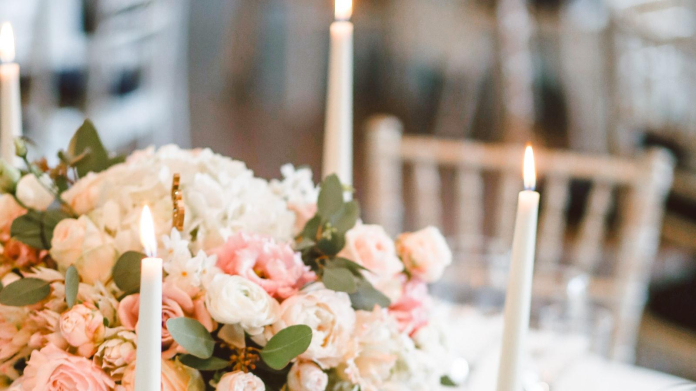
As the big day approaches, one of the most exciting and beautiful aspects of wedding planning is choosing the perfect flowers to adorn the ceremony and reception. While many couples may initially focus on the bridal bouquet and bridesmaid bouquets, it’s important to consider who else in the wedding party and the family should receive flowers on this special occasion. From parents and grandparents to ushers and readers, there are numerous individuals who contribute to the magic of a wedding and deserve to be honored with a stunning floral arrangement. In this article, we will explore the tradition of who all gets flowers at a wedding and why it is essential to recognize the important role each person plays in the celebration of love.
Table of Contents
- Bridal Party: Key Members who Deserve Flowers
- Parents of the Couple: Honoring the People who Raised You
- Close Family and Friends: Recognizing their Support and Love
- Special Guests: Showing Appreciation for VIP Guests at the Wedding
- Q&A
- Concluding Remarks
Bridal Party: Key Members who Deserve Flowers
The bridal party is an essential part of any wedding, and these key members certainly deserve to be honored with beautiful flowers. From the bride and groom to the parents and grandparents, there are several important individuals who traditionally receive flowers on the big day. Here’s a breakdown of who all gets flowers at a wedding.
The Bride: The star of the show, the bride undoubtedly deserves a stunning bouquet to carry down the aisle. Whether she opts for a classic white arrangement or something more colorful and modern, the bride’s bouquet is a crucial element of her bridal ensemble.
The Groom: While the groom may not carry a bouquet, he often wears a boutonniere to coordinate with the bride’s bouquet. This simple yet elegant floral accessory adds a touch of sophistication to the groom’s attire. Additionally, the groom’s parents, best man, groomsmen, and ushers also typically receive boutonnieres to wear on the wedding day. These small details help to tie the entire bridal party together and create a cohesive look for the ceremony and photos.
Parents of the Couple: Honoring the People who Raised You
When it comes to honoring the parents of the couple at a wedding, there are a few traditional customs and gestures that can be considered. One common way to show appreciation and respect for the parents of the couple is by presenting them with flowers during the wedding ceremony or reception. This small but meaningful gesture can symbolize the gratitude and love that the couple has for their parents, as well as the importance of family in their lives.
Traditionally, the parents of the bride and groom are the ones who receive flowers at the wedding. However, modern couples may choose to extend this gesture to include other important family members, such as grandparents or siblings. Ultimately, the decision of who receives flowers at the wedding is a personal one, and it should reflect the couple’s unique family dynamics and relationships.
In addition to the parents of the couple, there are other individuals who may be honored with flowers at the wedding. This can include step-parents, guardians, or close family friends who have played a significant role in the lives of the bride and groom. By including these individuals in the flower presentation, the couple can create a touching moment that celebrates the love and support of all those who have helped shape their lives. **In some cases, the couple may choose to present flowers to special guests or mentors who have been influential in their personal growth and development.**
Close Family and Friends: Recognizing their Support and Love
When it comes to planning a wedding, one of the most important aspects is recognizing and appreciating the support and love of close family and friends. One of the ways to show gratitude and appreciation is by giving flowers as a token of thanks to those who have been there for the couple throughout their journey. However, the question arises, who all gets flowers at a wedding?
1. Parents: The parents of the bride and groom play a significant role in the wedding, and it’s customary to present them with flowers.
2. Grandparents: Grandparents are also an essential part of the family and should be honored with flowers.
3. Siblings: Siblings of the bride and groom, as well as their spouses, should also receive flowers as a gesture of appreciation.
4. Maid of Honor and Best Man: These individuals are crucial in the wedding party, and presenting them with flowers is a way to show gratitude for their support.
5. Close Friends and Relatives: Those who have played a significant role in the couple’s lives and have shown unwavering support should also receive flowers.
Special Guests: Showing Appreciation for VIP Guests at the Wedding
At a wedding, special guests are always honored in various ways, and one of the traditional tokens of appreciation is through the gift of flowers. These VIP guests play a significant role in the couple’s lives and are often key figures in the wedding festivities. Here’s a breakdown of who typically receives flowers at a wedding:
- The Parents: The parents of the bride and groom are often given special corsages and boutonnieres to honor their love and support for the couple.
- The Wedding Party: Bridesmaids, groomsmen, flower girls, and ring bearers are usually presented with floral arrangements to signify their important roles in the ceremony.
- The Officiant: It’s customary to present the officiant with a bouquet or boutonniere as a token of gratitude for leading the wedding ceremony.
- Close Relatives and Friends: Some couples choose to give flowers to close relatives and friends who have gone above and beyond in helping with the wedding planning process.
It’s important to remember that there are no strict rules when it comes to who receives flowers at a wedding. Couples should feel free to customize their flower distribution to best reflect the appreciation they have for their special guests.
Q&A
Q: Who traditionally receives flowers at a wedding?
A: Traditionally, the bride, bridesmaids, groom, groomsmen, parents of the bride and groom, flower girl, and ring bearer receive flowers at a wedding.
Q: Why do these individuals receive flowers?
A: Flowers are given to these individuals as a symbol of love, appreciation, and honor. They are a way to express gratitude and admiration for the important role they play in the wedding celebration.
Q: Are there any other individuals who might receive flowers at a wedding?
A: Yes, other individuals who may receive flowers at a wedding include the officiant, grandparents, close relatives, and special friends who are playing a significant role in the ceremony or have a special connection to the couple.
Q: What are the common types of flowers given at weddings?
A: Common types of flowers given at weddings include roses, lilies, peonies, hydrangeas, orchids, and tulips. The specific flowers chosen often depend on the couple’s personal preferences and the overall wedding theme and color scheme.
Q: Are there any cultural or religious traditions that dictate who receives flowers at a wedding?
A: Yes, in some cultures and religious traditions, there are specific rules and customs regarding who receives flowers at a wedding. It’s important for couples to consider and respect these traditions when making decisions about floral arrangements for their wedding.
Q: What is the significance of giving flowers at a wedding?
A: Giving flowers at a wedding symbolizes beauty, love, and new beginnings. They are a visual representation of the love and commitment being celebrated, and they enhance the overall aesthetic and ambiance of the wedding ceremony and reception.
Concluding Remarks
In conclusion, it is important to consider all the different people involved in a wedding and their roles when it comes to receiving flowers. From the happy couple to the bridesmaids, groomsmen, parents, grandparents, and even the officiant, each person plays a significant part in making the day special. By recognizing and honoring each individual with a beautiful floral arrangement, you can truly enhance the overall atmosphere and create a sense of unity and gratitude. So, when it comes to deciding who gets flowers at a wedding, it’s clear that thoughtful consideration and inclusivity are key. By spreading the joy of flowers to all who are involved, you can ensure that everyone feels appreciated and valued on this special day.


